
Show summary Hide summary
- Why the last hours of the night become risky after age 60
- Four evening habits to stop right now to protect your heart
- Night and early-morning warning signs that require immediate action
- Practical evening habits that lower overnight cardiovascular risk
- When to speak with your doctor about night risks and sleep health
A 65-year-old woman recently died in her sleep, prompting her physician to issue a stark warning: nights are not always harmless after a certain age. New data and clinical experience show that the hours before dawn can turn dangerous for older hearts. Small evening habits can raise the stakes without anyone realizing it.
Why the last hours of the night become risky after age 60
Diet soda vs water: study reveals unexpected health risks
65-year-old woman dies suddenly at dawn: doctor warns never do these 4 things before bed
During sleep, the body normally slows down. Heart rate falls and blood pressure drops. As we age, this balance becomes harder to maintain.
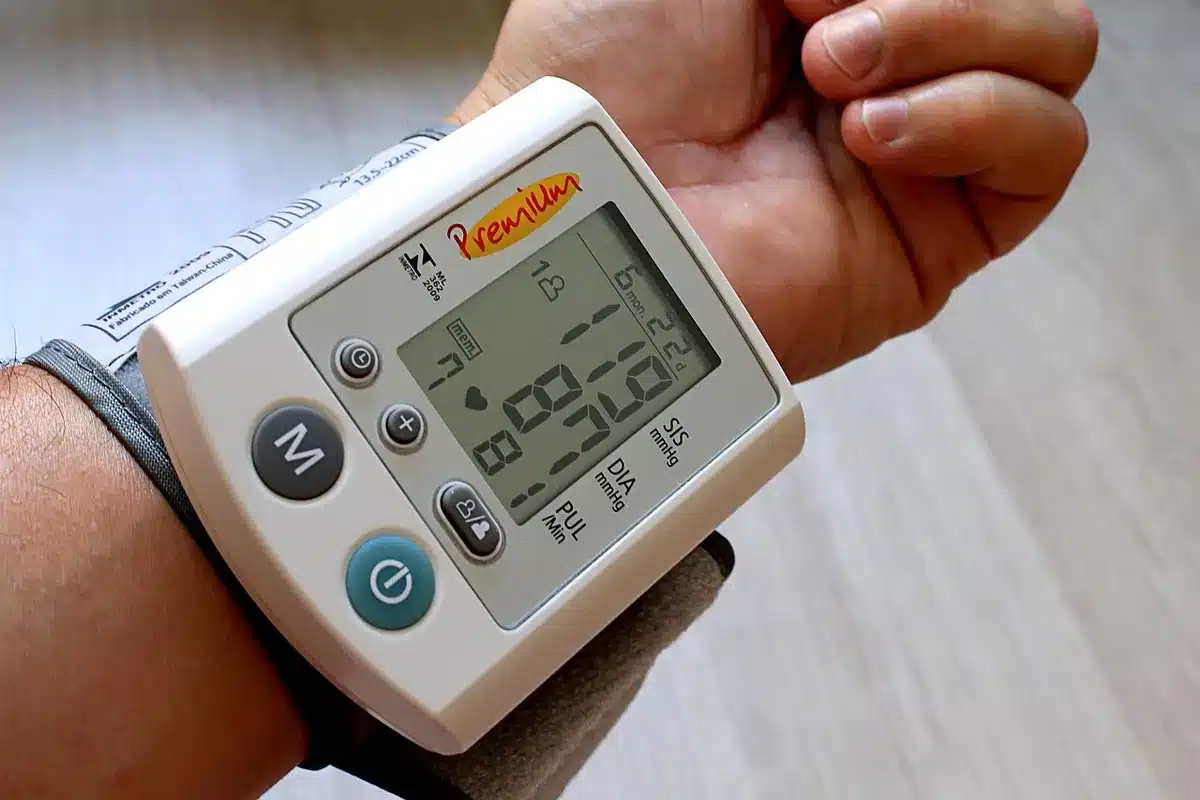
Between roughly 4 a.m. and 8 a.m., the body starts its wake-up process. Hormones like cortisol and adrenaline rise to prepare you for the day.
That hormonal surge drives a sudden spike in blood pressure. For a weakened heart, this abrupt change can trigger a serious event.
Four evening habits to stop right now to protect your heart
A doctor warned that some common nightly routines increase risk. Below are four actions to avoid before bed.
1. Avoid using alcohol as a sleep aid
Many people believe a nightcap helps them unwind. Alcohol may make you fall asleep faster. But it fragments sleep architecture later in the night.
Alcohol increases micro-awakenings and raises heart rate when your body should be calming down. It also relaxes the throat muscles, which can worsen breathing pauses and reduce oxygen to the brain and heart.
2. Never improvise with prescribed medicines
Medication timing matters. Skipping a dose of blood pressure medicine, doubling doses, or taking unprescribed sedatives can be dangerous.
Doctors schedule doses to blunt vulnerability during the early morning window. An omitted antihypertensive at night can leave you exposed to a sunrise blood-pressure surge.
3. Stop irregular or chronically late bedtimes
Irregular sleep patterns disrupt the internal clock. Consistent short sleep keeps the body in a heightened alert state.
This state increases inflammatory hormones that harm blood vessels and stress the heart. After 60, regular and sufficient sleep helps the cardiovascular system recover each night.
4. Take loud snoring and choking seriously
Frequent loud snoring often signals obstructive sleep apnea. When breathing stops repeatedly, blood oxygen drops.

Repeated oxygen dips force the heart to work harder and damage cardiac tissue over time. Untreated sleep apnea is a major contributor to overnight cardiac events.
Night and early-morning warning signs that require immediate action
- Severe chest pressure or crushing pain, especially if it spreads to an arm, neck, or jaw.
- Sudden cold sweat, intense lightheadedness, or fainting while getting up.
- Breathing difficulty or long pauses followed by gasping for air.
- Unexplained, sudden weakness or confusion upon waking.
If you or someone nearby experiences these signs, do not wait. Call emergency services immediately and avoid going back to bed.
Practical evening habits that lower overnight cardiovascular risk
Small changes make a big difference. Clinicians recommend a few clear steps to protect the heart at night.
- Eat a light dinner and allow time for digestion before lying down.
- Avoid alcohol and heavy meals within a few hours of bedtime.
- Set a fixed bedtime and wake time to stabilize your internal clock.
- Prepare and organize medications so doses are not missed.
- Limit screens for an hour before bed to help natural sleep onset.
- If you snore loudly or wake gasping, seek a sleep evaluation for possible apnea.
These simple routines reduce the strain on your heart and cut the chance of a harmful morning surge.
When to speak with your doctor about night risks and sleep health
Make an appointment if you have high blood pressure, noisy snoring, daytime sleepiness, or irregular heartbeats at night.
Ask about:
- Checking blood pressure patterns over 24 hours.
- Sleep studies to diagnose obstructive sleep apnea.
- Medication scheduling that protects vulnerable early-morning hours.
- Safe alternatives to alcohol or nonprescribed sleep aids.
Early assessment and appropriate treatment can change outcomes and lower the chance of a tragic overnight event.