
Show summary Hide summary
- Why Kalanchoe pinnata has been prized for generations
- Soothe a sore throat and open the airways
- Natural relief for joint pain and inflammation
- Accelerate wound healing and treat minor burns
- Give your immune system a seasonal lift
- Clearer breathing and expectorant action
- Calm the mind: stress relief and sleep support
- Gentle help for digestion and liver support
- Simple, safe ways to use Kalanchoe pinnata at home
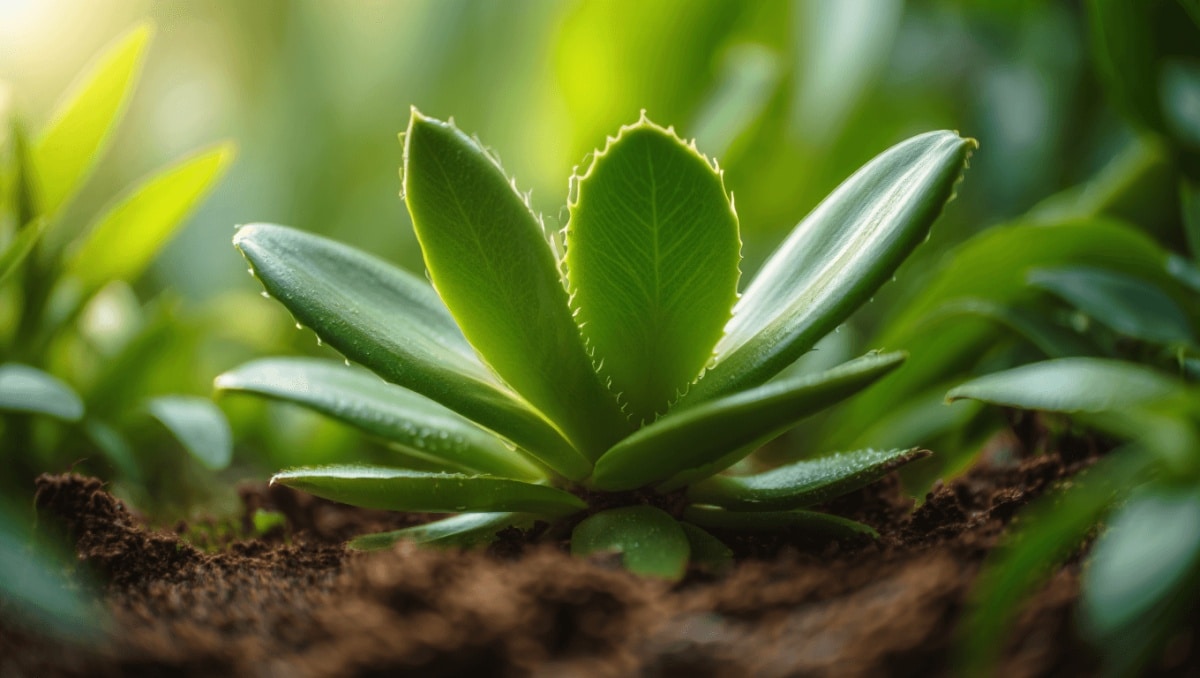
Few garden plants carry as many folk remedies as Kalanchoe pinnata, often called the “leaf of life.” This fleshy succulent has been used for centuries across Africa, India and the Caribbean for wound care, respiratory relief, and more. It grows easily in pots and offers a surprising range of health uses anyone can try at home.
Why Kalanchoe pinnata has been prized for generations
Traditional healers and home gardeners have long valued this plant for its versatility. Kalanchoe pinnata appears in African, Indian and Caribbean herbal practices.
Eggs every day for months: simple check reveals shocking blood test result
Popular childhood food ingredient may raise adult anxiety: study
People used its leaves for infections, aches and minor burns. Modern research has explored its anti-inflammatory and antimicrobial compounds. Still, much of its reputation rests on centuries of folk use.
Its combination of mucilage, flavonoids and antioxidants makes it useful for soothing tissues and protecting skin cells.
Soothe a sore throat and open the airways
The leaf’s mucilage creates a soothing film on irritated mucous membranes. That action can ease scratchy throats and hoarseness.
Simple home remedies:
- Steep 2–3 fresh leaves in 250 ml hot water for 10 minutes.
- Sip the warm infusion to relieve dry coughs and throat irritation.
- For fast relief, chew a small piece of leaf to release juices directly.
When inhaled as a steam, the infusion can also help loosen mucus. This makes breathing easier during mild colds or bronchial irritation.
Natural relief for joint pain and inflammation
Kalanchoe pinnata contains compounds that can reduce inflammation when applied locally.
How to prepare a topical poultice
- Crush a fresh leaf to extract the clear pulp or juice.
- Apply the pulp to the sore joint or tendon.
- Cover with a clean cloth and leave for 20–30 minutes.
Many users report quick easing of stiffness and pain. This method targets the area without systemic side effects.
Accelerate wound healing and treat minor burns
The leaf’s juice can help disinfect and speed tissue repair. It has been used like aloe vera for cuts, insect bites, and light burns.
Apply freshly crushed leaf juice to clean skin. Repeat once or twice daily until the wound shows improvement.
Traditional users also attribute antibacterial and antifungal benefits to the plant, which can aid healing. Its antioxidants and flavonoids help protect regenerating skin.
Give your immune system a seasonal lift
Kalanchoe pinnata is a source of vitamins and minerals, especially vitamin C and carotenoids. These nutrients support the immune system.
During seasonal transitions, a regular warm infusion can reduce fatigue and the frequency of minor colds.
Some people include the leaf in gentle detox routines to help reboot natural defenses.
Clearer breathing and expectorant action
The plant also acts as a mild expectorant. It helps loosen phlegm and clear the bronchi.
In regions where the succulent grows wild, people use decoctions to ease mild bronchitis and persistent coughs.
Inhalation of steam from the brewed leaves can produce faster relief for a blocked nose and chest congestion.
Calm the mind: stress relief and sleep support
Beyond physical benefits, Kalanchoe pinnata has a place in traditional systems for mental balance. Ayurvedic and folk practices describe the plant as soothing to the nervous system.
Drinking a mild tea of the leaves in the evening may promote relaxation and better sleep for some people.
Users often report a sense of calm after a small nightly cup. Still, effects vary and more research is needed.
Gentle help for digestion and liver support
The leaf juice has been used to ease heartburn, bloating and sluggish digestion.
In traditional Indian medicine, it acts as a mild tonic for the stomach and liver.
- A teaspoon of leaf juice in warm water before a meal can aid digestion.
- For mild constipation, the plant’s gentle laxative effect may help restore transit.
Start with small amounts to assess tolerance.
Simple, safe ways to use Kalanchoe pinnata at home
The plant is easy to grow and easy to use. Keep a pot on a sunny windowsill for fresh access to leaves.
- Infusion: 2–3 fresh leaves in 250 ml hot water for 10 minutes.
- Juice: mash a leaf and strain the liquid through a cloth.
- Poultice: apply crushed leaf pulp to skin irritations or sore joints.
- Inhalation: steam the brewed leaves and inhale for congestion relief.
- House plant: propagate from a single leaf or cutting; needs light and moderate watering.
Dosage and safety tips
Although widely used, this plant is not a substitute for medical care. Test a small skin area before broad use to check for reactions.
Avoid large internal doses without medical advice. Consult a healthcare provider if you are pregnant, breastfeeding, or on medication.
If symptoms persist or worsen, seek professional medical attention.










