Show summary Hide summary
Bread appears on nearly every plate, yet not all loaves deliver the same nutrition. Knowing which types to buy can cut calories, reduce hidden sugars, and boost fiber and protein at meals. A few label-savvy habits make it easy to pick a healthier slice at the grocery store.
Control portions: why slice size changes the calorie story
Healthiest bread: 3 simple tips to pick the best loaves
Blood supply crisis: Red Cross warns donations at 4-year low
Carb lovers often underestimate how many calories they eat from bread. Commercial slices vary a lot in weight and energy.
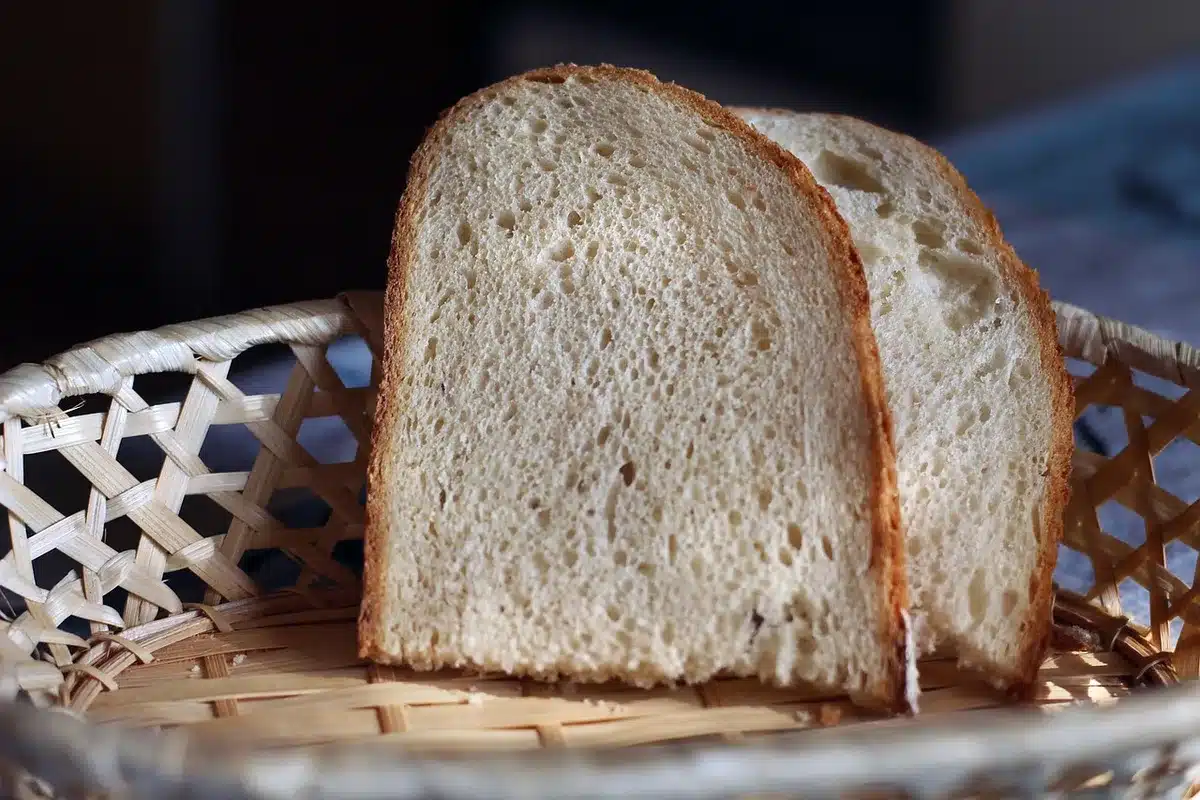
- Watch slice calories: Some store-bought slices reach about 120–140 calories each.
- Choose smaller slices: Aim for breads where a slice is roughly 80 calories or less.
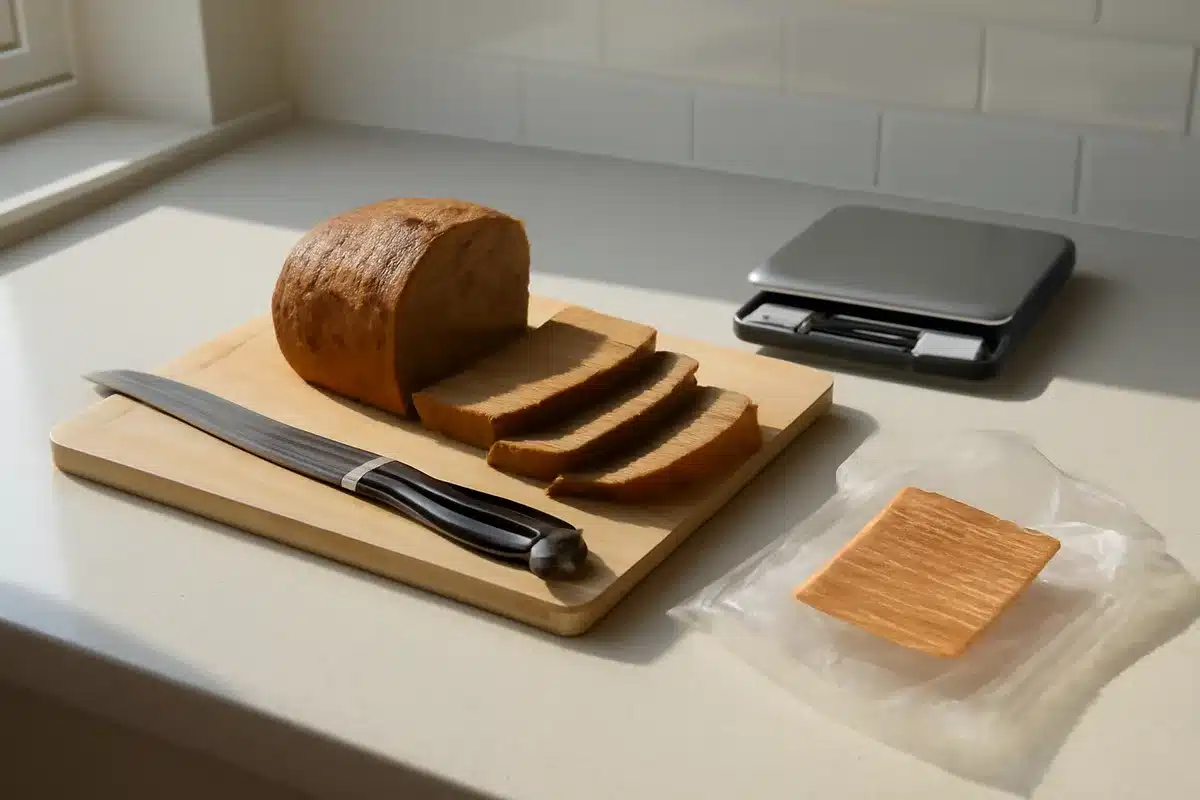
- Consider weighing or comparing serving sizes to avoid unintentionally eating two servings.
Portion control is a simple trick. Using thinner slices, measuring servings, or switching to buns and rolls with lower-per-slice calories keeps daily intake in check.
Read labels to avoid hidden sweeteners and added sugar
Manufacturers sometimes add sugar to loaves to improve flavor and longevity. Those sugars add calories without nutritional benefit.
How to spot added sugar on the package
- Check the nutrition facts for the “Added Sugars” line.
- Look in the ingredients list for terms like corn syrup, dextrose, maltose, or cane sugar.
- A practical target is 0–2 grams of added sugar per slice.
Choosing breads with minimal or no added sugar helps control total sugar intake. This is especially important if you eat bread daily.
Prioritize fiber and protein for longer fullness and steady energy
Not all breads support satiety. The most helpful loaves combine whole grains with higher fiber and some protein.
- Seek breads labeled 100% whole wheat or 100% whole grain.
- Target 3–5 grams of fiber per slice.
- Also aim for 3–5 grams of protein per slice when possible.
Why fiber and protein matter
Fiber slows digestion and supports stable blood sugar. Protein contributes to fullness and helps avoid mid-afternoon energy drops.
Breads made from whole or sprouted grains tend to deliver more nutrients and better texture than refined options. Look for varietals that list intact grains or sprouted flour near the top of the ingredients.
Practical shopping tips and labels to favor
- Prefer loaves with short, recognizable ingredient lists.
- Avoid items with a long list of additives and sweeteners.
- Compare grams of fiber, protein, added sugar, and calories per slice between brands.
- Consider sliced sprouted-grain breads for more micronutrients and chew.
Emily Case, a registered dietitian at Northwell Health, recommends these simple checks to turn bread into a genuinely nourishing choice you can enjoy regularly.