Show summary Hide summary
- Why simmer bay leaves? A natural way to freshen the kitchen
- How to simmer bay leaves: quick step-by-step
- What you’ll notice after a few minutes
- Benefits and limits: what this trick does — and doesn’t do
- Bay leaves and pantry pests: folk remedy or reliable solution?
- When to pick simmered bay leaves over candles or sprays
- Safety and best practices for everyday use
You probably keep a jar of bay leaves in your spice rack. Few people realize those same leaves can scent the whole kitchen, simply by simmering them in a pot of water. It’s an old household trick that revives stale air in minutes. No candle or aerosol needed — just water, a few leaves, and low heat.
Why simmer bay leaves? A natural way to freshen the kitchen
Healthiest bread: 3 simple tips to pick the best loaves
Blood supply crisis: Red Cross warns donations at 4-year low
Bay leaves release aromatic oils when warmed. The scent is warm, herbal, and slightly peppery. It travels with steam and quickly softens lingering food smells.

This method is especially useful after frying fish, cooking strong spices, or baking. Instead of masking odors with chemicals, you add a gentle, natural fragrance.
How to simmer bay leaves: quick step-by-step
- Use 5 to 10 dried bay leaves for a medium pot of water.
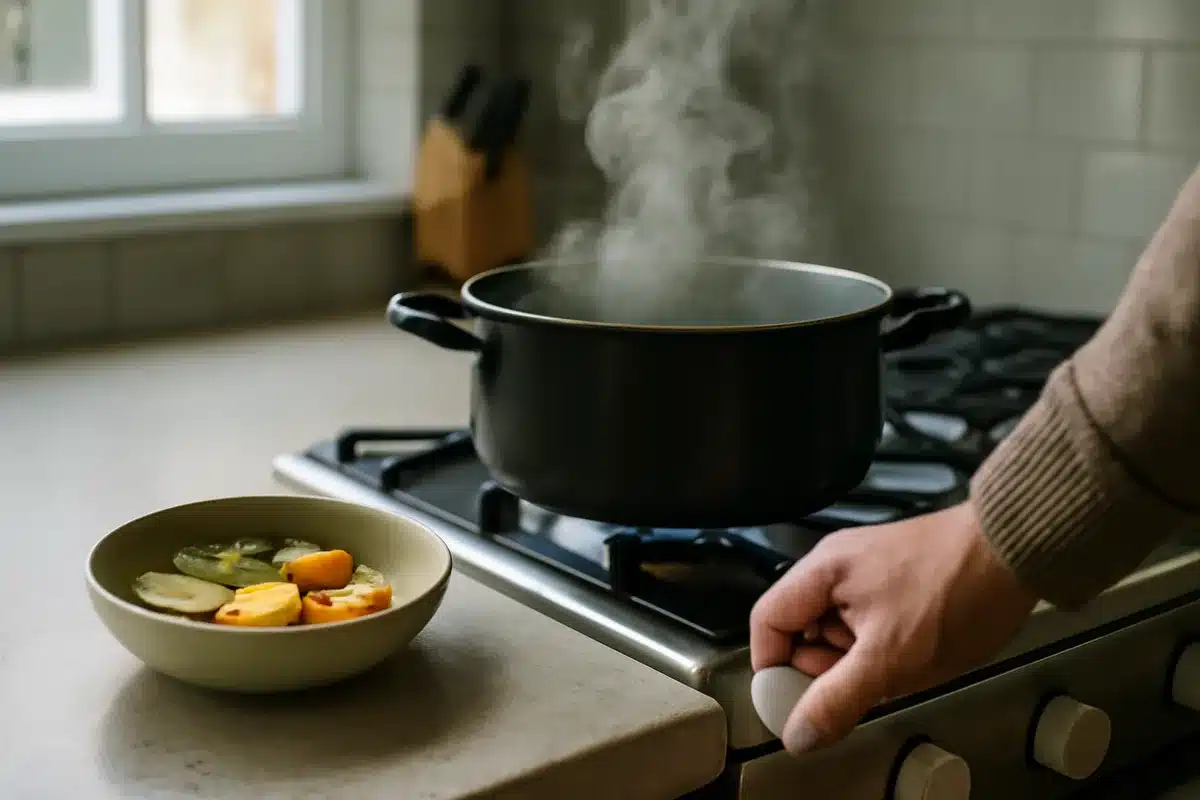
- Bring the water to a gentle boil, then reduce to a low simmer.
- Keep the pot uncovered so the steam carries the scent into the room.
- Monitor the water level and never let the pot dry out completely.
- Simmer for 10–30 minutes depending on how strong you want the aroma.

Small additions that change the aroma
- Slice a lemon or orange and add a few peels.
- Drop in a cinnamon stick or few cloves for a warmer note.
- Add fresh herbs like rosemary or thyme for a herbaceous blend.
What you’ll notice after a few minutes
The fragrance appears fast. Steam carries the leaf oils and the room acquires a pleasant, natural scent. You don’t need many leaves. A short simmer is often enough to refresh the air.
Be careful: never leave a pot unattended. Keep the heat low and top up water if it drops too low.
Benefits and limits: what this trick does — and doesn’t do
- Benefit: Inexpensive and non-toxic way to scent a room.
- Benefit: Gentle aroma that won’t overpower guests.
- Limit: It does not cleanse the air or remove pollutants.
- Limit: It masks odors rather than eliminating their source.
For best results, combine this with basic ventilation. Use your hood during cooking and air out the room briefly when possible.
Bay leaves and pantry pests: folk remedy or reliable solution?
Many use bay leaves in cupboards because of their strong smell. They can act as a mild deterrent to some insects.
However, a simmering pot will not solve an infestation. If you find pantry moths, identify and discard contaminated food. Clean shelves thoroughly.
Bay leaves are a helpful preventive measure, not a full treatment.
When to pick simmered bay leaves over candles or sprays
- When you prefer a chemical-free option.
- On cold days when windows stay shut.
- If you want a subtle, kitchen-friendly fragrance.
- When cost and simplicity matter.
This approach is low-cost, uses items you likely already have, and creates a soothing, homey scent.
Safety and best practices for everyday use
- Never leave the pot unattended on the stove.
- Keep pets and children away from hot steam and pots.
- Use dried leaves for a more consistent aroma.
- Discard water after use and rinse the pot if needed.
With a few precautions, simmering bay leaves is a simple habit that can lift the mood of your kitchen in minutes.