
Show summary Hide summary
A viral kitchen shortcut has cooks and health-minded snackers talking: cook starchy foods, chill or freeze them, then heat them again. The simple loop of heat-cool-heat changes how the starch behaves in your body, and many online creators call it a clever way to curb blood sugar spikes and support gut health without shrinking portions.
Why cooling and reheating changes starch
When certain cooked starches cool, their molecular chains realign into tighter, crystalline forms. Scientists call this process starch retrogradation. The transformed starch becomes less digestible in the small intestine and is known as resistant starch.
Eggs every day for months: simple check reveals shocking blood test result
Popular childhood food ingredient may raise adult anxiety: study
Resistant starch travels to the large intestine, where gut bacteria ferment it. That bacterial activity produces compounds that feed beneficial microbes and helps blunt rapid blood sugar rises.
The practical effect on calories and glucose
- Resistant starch provides fewer calories per gram than ordinary starch. Estimates place it at roughly 2.5 kcal per gram versus about 4 kcal per gram for digestible starch.
- Eating more resistant starch can lead to a slower release of glucose into the bloodstream and may help with appetite control.
Which foods respond best to this method
Not all carbs benefit. Focus on cooked complex starches, then cool and reheat them.
- Rice (white and some varieties of brown)
- Potatoes
- Pasta
- Oats
- Legumes such as lentils and beans
- White bread can also change texture and glycemic response when frozen and reheated
Highly processed sugary snacks won’t form resistant starch the same way.
How to make more resistant starch at home
Follow a few safe, simple steps to maximize the effect.
- Cook the starchy food completely according to the recipe or package.
- Cool it quickly and store it in the refrigerator for at least 24 hours. Chilling for a full day increases resistant starch formation.
- Freeze if you want longer storage and even more retrogradation.
- Reheat before eating — toasting, microwaving, or gentle oven heating works.
Some nutrition experts note that repeating the heat-cool cycle or extending chilling time can further raise resistant starch levels.
What experts say and real-world examples
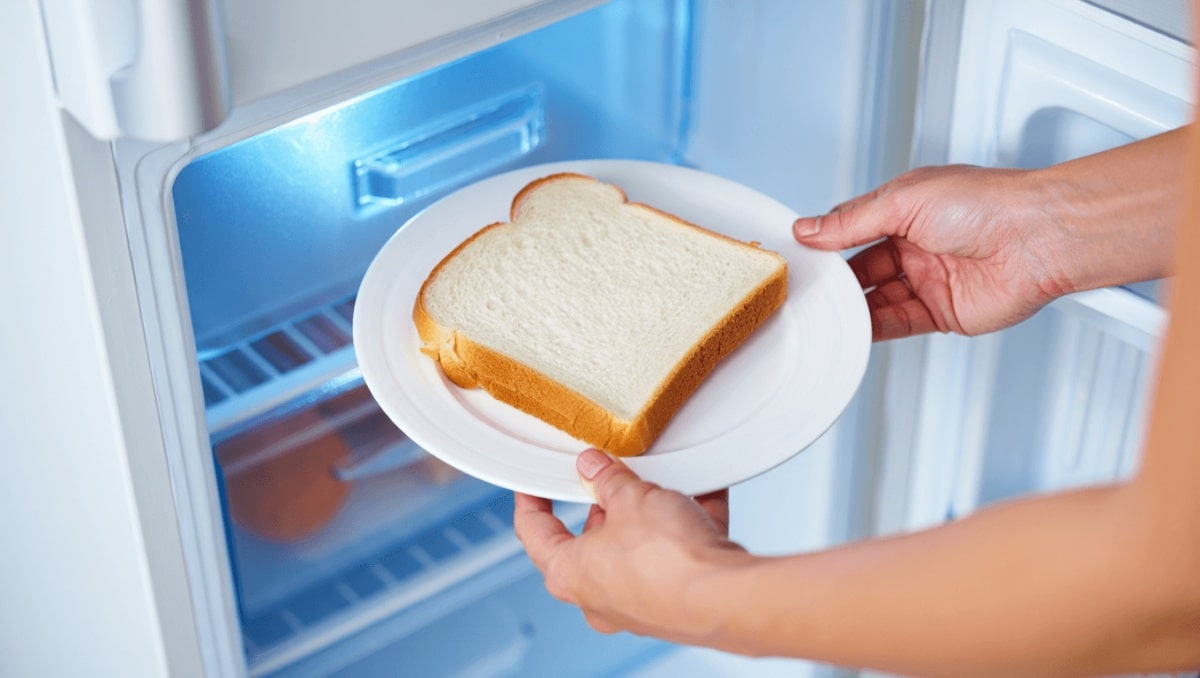
Surgeon and social media creator Dr. Karan Raj has demonstrated that freezing and then toasting a slice of white bread can reduce its glycemic impact. Registered dietitians point out the larger dietary context matters: bread type, portion size, and meal composition influence blood sugar far more than a single trick.
Still, dietitians acknowledge the technique can be a useful tool for people looking to improve glycemic response or increase prebiotic intake without major changes to food choices.
Benefits you might notice
- More stable post-meal blood sugar levels
- Potentially reduced hunger between meals
- Support for a healthier gut microbiome through prebiotic effects
- A modest drop in available calories from the starch component
Keep in mind that this is not a magic bullet. Bread variety, portion control, and overall diet quality remain key.
Safety pointers and sensible swaps
Handling leftovers correctly is essential to avoid foodborne illness.
- Cool food quickly and refrigerate within two hours of cooking.
- Store in airtight containers and keep refrigerated for no longer than recommended.
- Reheat thoroughly until steaming hot to kill harmful bacteria.
- Avoid repeatedly reheating the same portion many times.
If you prefer a simpler approach, choose whole-grain, sprouted-grain, or sourdough breads and other minimally processed carbs to help manage blood sugar without extra steps.










