
Show summary Hide summary
- Why baking soda home remedies spread so quickly
- How baking soda affects skin tone and dark spots
- Why baking soda can make acne worse
- Disrupting the skin’s pH: small change, big consequences
- Evidence-backed substitutes that are safer and effective
- If baking soda has irritated your skin: steps to recover
- How to judge what’s safe to try from social media
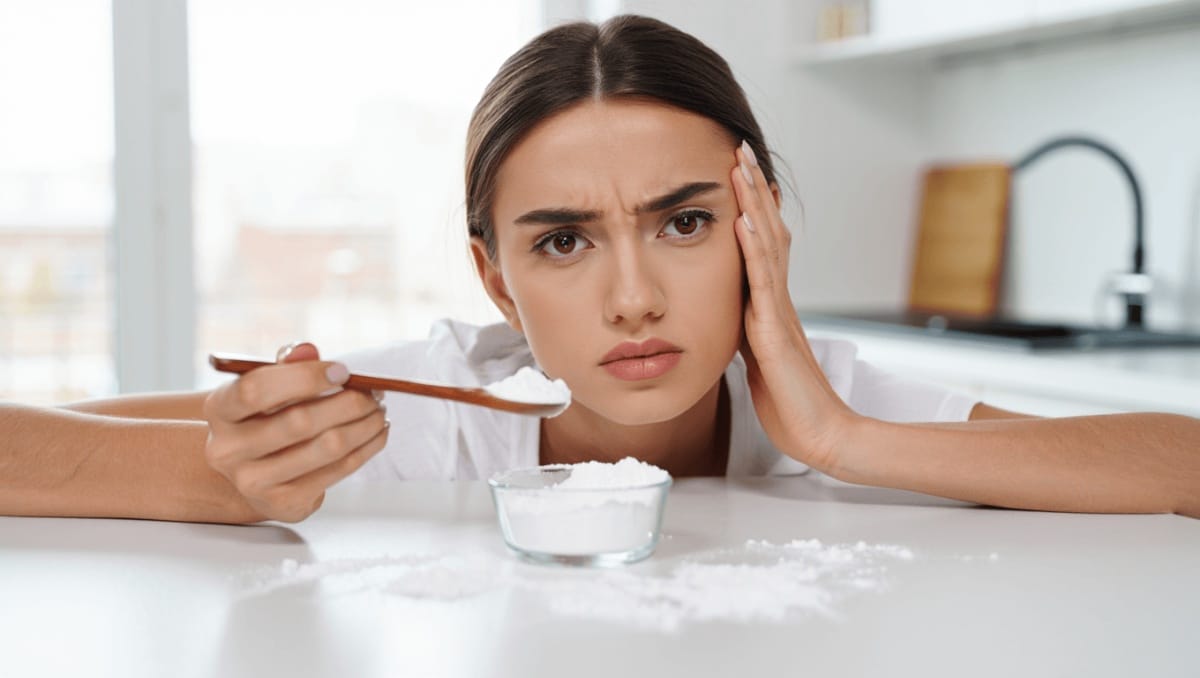
Kitchen shortcuts for skin care keep popping up on social media, and baking soda is one of the latest home remedies getting attention. People praise its fast-acting feel and cheap cost, but skin experts caution that what looks like an instant fix can cause lasting harm.
Why baking soda home remedies spread so quickly
Short videos and homemade recipes make baking soda seem like a miracle ingredient. Users mix it with water, coconut oil, or petroleum jelly and apply it as a scrub or paste.
Eggs every day for months: simple check reveals shocking blood test result
Popular childhood food ingredient may raise adult anxiety: study
- Simple steps and dramatic before-and-after clips fuel the trend.
- Instantly mattified or exfoliated skin can be mistaken for true improvement.
- DIY appeal: it’s cheap, accessible, and feels effective at first touch.
Still, what shows up on social feeds doesn’t replace clinical evidence. Dermatologists warn that popularity doesn’t equal safety.
How baking soda affects skin tone and dark spots
Many users say their complexion looks brighter after using baking soda. That shine is often from removing surface oil and dead cells, not from changing deeper pigmentation.
Dark spots, or hyperpigmentation, come from pigment deeper in the skin. Baking soda cannot reach that layer. In some people, especially those with medium to deep skin tones, it can even cause darker patches to appear.
Temporary brightness can mask—then worsen—underlying discoloration.
Why baking soda can make acne worse
At first, baking soda may dry out a pimple and seem to reduce size. Over time, repeated use often leads to redness, peeling, and more breakouts.
The reason: baking soda is harsh. It strips oils and damages the skin barrier. Once the barrier is compromised, bacteria and irritants penetrate more easily and inflammation increases.
People with acne, rosacea, eczema, or sensitive skin are particularly at risk. Rather than calming inflammation, strong home scrubs often prolong or intensify it.
Disrupting the skin’s pH: small change, big consequences
Healthy skin maintains a slightly acidic pH. That acidity helps retain moisture and fend off harmful microbes.
Baking soda is alkaline. Regular application pushes the skin away from its natural pH, which can:
- Leave skin dry and flaky
- Cause stinging or burning sensations
- Lead to cracks, chronic redness, or persistent sensitivity
When the skin’s protective layer is weakened, everyday products or environmental factors may suddenly irritate it.
Evidence-backed substitutes that are safer and effective
If you want to improve texture, unclog pores, or even skin tone, choose proven actives over kitchen chemistry.
- Salicylic acid: oil-soluble exfoliant for acne-prone skin.
- Glycolic acid: gentle chemical exfoliant to smooth and brighten.
- Niacinamide: regulates oil, soothes inflammation, and reduces discoloration.
- Broad-spectrum sunscreen: prevents dark spots from deepening.
- Gentle cleanser and barrier-supporting moisturizer: the foundation of any routine.
Consistency and patience beat harsh, quick fixes. Evidence favors mild, repeated treatments rather than abrasive, one-off hacks.
If baking soda has irritated your skin: steps to recover
Immediate care and a short healing plan
- Stop using baking soda at once.
- Switch to a hydrating, non-foaming cleanser.
- Apply a soothing moisturizer containing ceramides, squalane, or panthenol.
- Avoid exfoliants and active acids until skin calms.
- Protect healed skin daily with sunscreen.
If redness, burning, or peeling persists, see a dermatologist. They can prescribe treatments to reduce inflammation and repair the barrier.
How to judge what’s safe to try from social media
Not every viral beauty tip is harmful, but social proof is not the same as medical proof. Ask these questions before trying a trend:
- Is there scientific evidence for the ingredient?
- Could it change skin pH or strip oils?
- Are there gentler, clinically supported alternatives?
When in doubt, consult a skin care professional or trusted medical sources. That approach protects your skin and yields better, longer-lasting results than risky DIY remedies.










