
Show summary Hide summary
Water has been given a fresh makeover. The latest buzz calls it “loaded water” — plain or fizzy water boosted with fruits, electrolytes, coconut water or other add-ins. It promises more flavor and a hydration upgrade, and it’s taking off on social platforms and in kitchen pitchers.
What is loaded water and why it matters
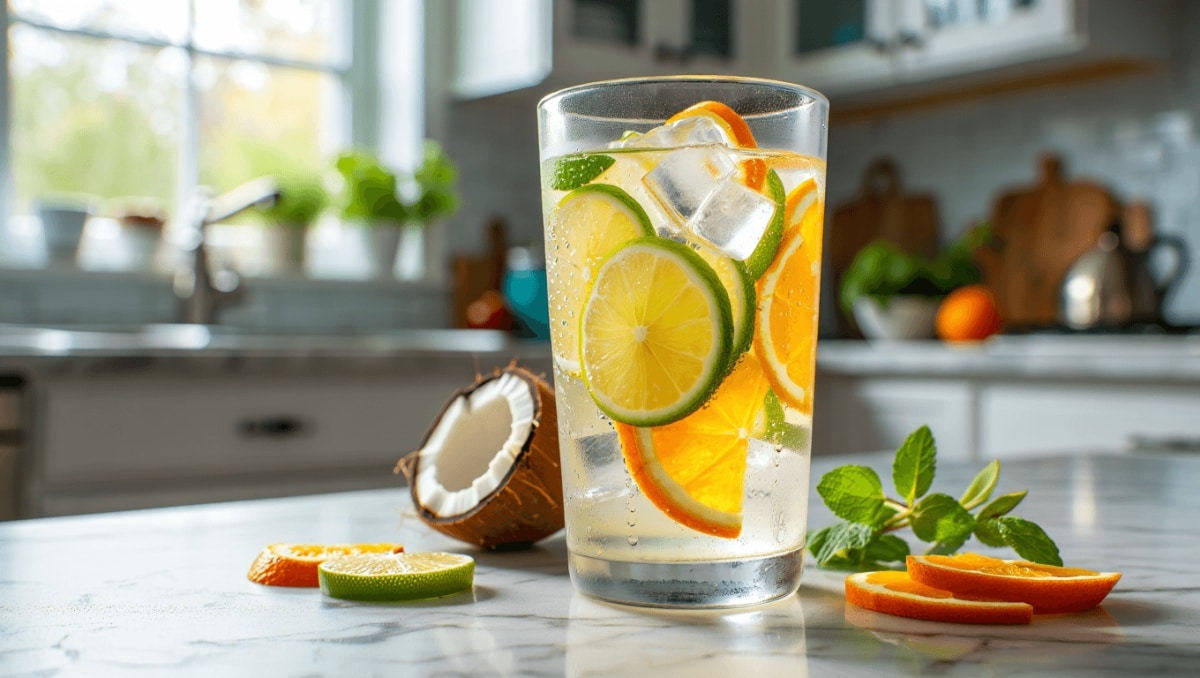
Loaded water refers to beverages made by mixing water with flavor and nutrient sources. Think fresh fruit, herbs, coconut water, electrolyte powders or prebiotic mixers.
Eggs every day for months: simple check reveals shocking blood test result
Popular childhood food ingredient may raise adult anxiety: study
Unlike sugary sodas, these drinks aim to make hydration more appealing while delivering small nutritional benefits. The trend taps into a larger push to get people to drink more fluids throughout the day.
Real benefits: hydration, flavor and functional boosts
Registered dietitian Fiorella DiCarlo says many people don’t drink enough fluids. Being underhydrated can sap energy and trigger cravings.
- Flavor encourages higher fluid intake without calories, when made without added sugar.
- Electrolyte additions can help replace minerals lost during intense exercise.
- Fresh fruit and herbs add vitamins, antioxidants and pleasant aromas.
- Prebiotic ingredients may support gut health when used thoughtfully.
Where loaded water can go wrong
Not all boosted waters are created equal. Pre-mixed or commercial electrolyte drinks can carry significant sodium.
- Daily use of high-sodium mixes, without heavy sweating, can stress the heart and kidneys.
- Some bottled options include artificial flavors or sweeteners.
- Electrolyte powders marketed for athletes are often unnecessary for casual daily hydration.
- Cost can be high for branded packets and specialty bottles.
Whole foods often provide electrolytes more safely. Foods like bananas, spinach, yogurt and nuts supply potassium, magnesium and calcium without extra salt.
Smart rules for making loaded water at home
Making your own infusion keeps control over ingredients and cost. Follow simple steps for safe, tasty results.
- Start with clean, chilled filtered water or cooled decaf green tea.
- Use fresh or frozen fruit. Rinse all produce before adding.
- Slice citrus and herbs to release flavor, but avoid leaving rinds in too long.
- Steep in the fridge for 2–4 hours. Overnight yields more taste.
- Strain out solids before drinking to prevent mushiness and bacterial growth.
- Store in a sealed container and consume within two to three days.
Safety pointers
- Avoid leaving fruit pieces in water at room temperature.
- Limit commercial electrolyte mixes unless you sweat heavily.
- Watch for added sugars or artificial ingredients on labels.
Easy loaded water recipes to try
- Pineapple & coconut: 1 liter water, chunks of fresh pineapple and 2 cups coconut water. Pineapple adds bromelain and tropical flavor.
- Watermelon & mint: 1 liter water, 2 cups seedless watermelon and 3 sprigs fresh mint. Watermelon refreshes and contains citrulline.
- Lemon, lime & cucumber: 1 liter chilled water, slices of lemon, lime and 1/4 large cucumber. This blend supplies vitamin C and gentle electrolytes.
When to choose store-bought options
Pre-mixed electrolyte drinks can be useful during long workouts or illness when you lose a lot of salt and fluid. For everyday sipping, homemade infusions usually suffice.
- Choose products with transparent labels and balanced sodium levels.
- Compare prices; single-serve packets add up over time.
- Use commercial options selectively for travel, training or recovery.










