
Show summary Hide summary
- Red or pink urine: when pigment or blood is the culprit
- Dark brown or amber urine: dehydration or liver stress
- Cloudy or milky urine: infection, crystals, or other debris
- Less common colors and what they often mean
- Pregnancy: why urine may shift and when to act
- Which symptoms need prompt medical attention?
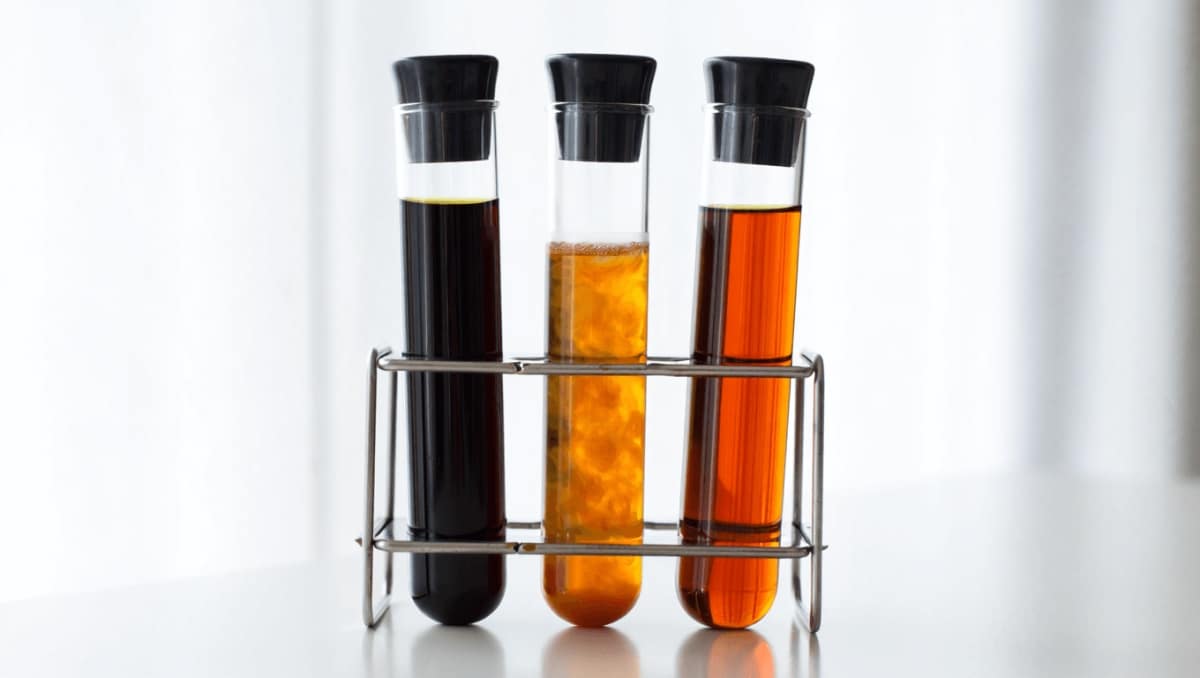
A sudden change in urine color can be a quiet alarm from your body. From pale yellow to deep brown, each hue offers clues about hydration, infection, medication, or organ stress. Learn which colors deserve attention and when to seek medical advice.
Red or pink urine: when pigment or blood is the culprit
Seeing pink or red urine is unsettling. It may signal blood in the urine, called hematuria, or simply pigments from food or medicine.
Eggs every day for months: simple check reveals shocking blood test result
Popular childhood food ingredient may raise adult anxiety: study
- Possible medical causes:
- Urinary tract infection or bladder inflammation.
- Kidney or bladder stones causing irritation.
- Physical trauma or heavy exercise.
- Less commonly, tumors in urinary organs.
- Non-medical causes:
- Beetroot, rhubarb or some berries can tint urine red.
- Certain dyes or drugs may also do this.
If the tint remains after 24 hours or you have pain, contact a doctor. A urine dipstick or lab test will distinguish blood from harmless pigments.
Dark brown or amber urine: dehydration or liver stress
Deep brown urine often reflects concentration from low fluid intake. But it can also indicate problems with the liver or bile flow.
- Common reasons:
- Dehydration, especially after sleep or heat exposure.
- High bilirubin levels from liver dysfunction.
- Certain medications and supplements.
- Serious causes to watch for:
- Hepatitis or other liver diseases.
- Rhabdomyolysis, a muscle breakdown that can darken urine.
If color does not lighten after drinking water, see a clinician. Blood tests and liver panels can help identify the cause.
Cloudy or milky urine: infection, crystals, or other debris
Milky or turbid urine may contain pus, fat, or mineral crystals. It often points to an infection or an imbalance causing precipitation.
- Likely explanations:
- Urinary tract infection with pus or bacteria.
- Kidney inflammation such as pyelonephritis.
- High levels of phosphates or calcium oxalate forming crystals.
- Other situations:
- Post-sexual activity, semen residue can briefly cloud urine.
- Some metabolic disorders change urine clarity.
Persistent cloudiness for more than a day requires testing. A urine culture or microscopy identifies infection or abnormal particles.
Less common colors and what they often mean
Beyond reds and browns, a range of colors can appear. Most are harmless, but some point to medication effects or health issues.
- Light to dark yellow: normal range. Varies with hydration.
- Amber: concentrated urine. Drink fluids and check again.
- Orange: can result from vitamins, rifampicin, or dehydration.
- Green or blue: rare. Linked to specific drugs, dyes, or infections.
- Very pale, nearly clear: may indicate excessive fluid intake or uncontrolled diabetes when urine is also abundant.
Note: Medication labels often list urine color changes as side effects. Check your treatment information if you notice unusual hues.
Pregnancy: why urine may shift and when to act
Pregnancy alters hormone levels and kidney function. These changes affect urine concentration and composition.
- Common pregnancy causes:
- Prenatal vitamins can intensify yellow or orange tones.
- Increased fluid and waste filtration may change clarity.
- Warning signs in pregnancy:
- Cloudy, white, or strongly odorous urine that persists.
- Dark urine that does not resolve with hydration.
- Symptoms of urinary tract infection or liver complications.
Any worrying change during pregnancy should prompt a prenatal visit. Urine tests are quick and informative.
Which symptoms need prompt medical attention?
Not every color shift is urgent. But some combinations of signs demand immediate evaluation.
- Seek care if you have:
- Persistent abnormal color after rehydration.
- Painful or burning urination.
- Back or flank pain, fever, or extreme fatigue.
- Visible blood in urine or symptoms lasting over 48 hours.
- Tests a doctor may order:
- Urinalysis and urine culture.
- Blood tests for liver and kidney function.
- Ultrasound or imaging if stones or masses are suspected.
When in doubt, get tested. Early diagnosis can prevent complications and guide simple treatments.
Practical tips to monitor urine color at home
- Check first-morning urine for baseline color.
- Rehydrate and reassess color after a glass of water.
- Note recent foods, supplements, or medications.
- Keep a photo log if an unusual color persists.
Share your experience
Have you noticed a striking urine color change? Describe what happened and whether testing helped. Your feedback can help others recognize important signs.










