
Show summary Hide summary
If you’ve ever compared ingredient labels on both sides of the Atlantic, you might have noticed familiar products contain different chemicals. That’s because regulators in the UK and the US take distinct approaches to food additives. Recent moves in Washington and state-level bans are bringing those differences into sharper focus.
How regulators treat food additives: prevention vs. reaction
British authorities require evidence of safety before an additive is approved. The result: some substances are banned outright.
Eggs every day for months: simple check reveals shocking blood test result
Popular childhood food ingredient may raise adult anxiety: study
By contrast, the US system historically allows many additives while monitoring for harm. That creates gaps between what’s permitted in supermarkets in each country.
- UK approach: approves only after safety is shown.
- US approach: permits additives until regulators prove harm.
- Federal reviews and state laws are beginning to narrow those gaps.
Potassium bromate: a dough improver under scrutiny
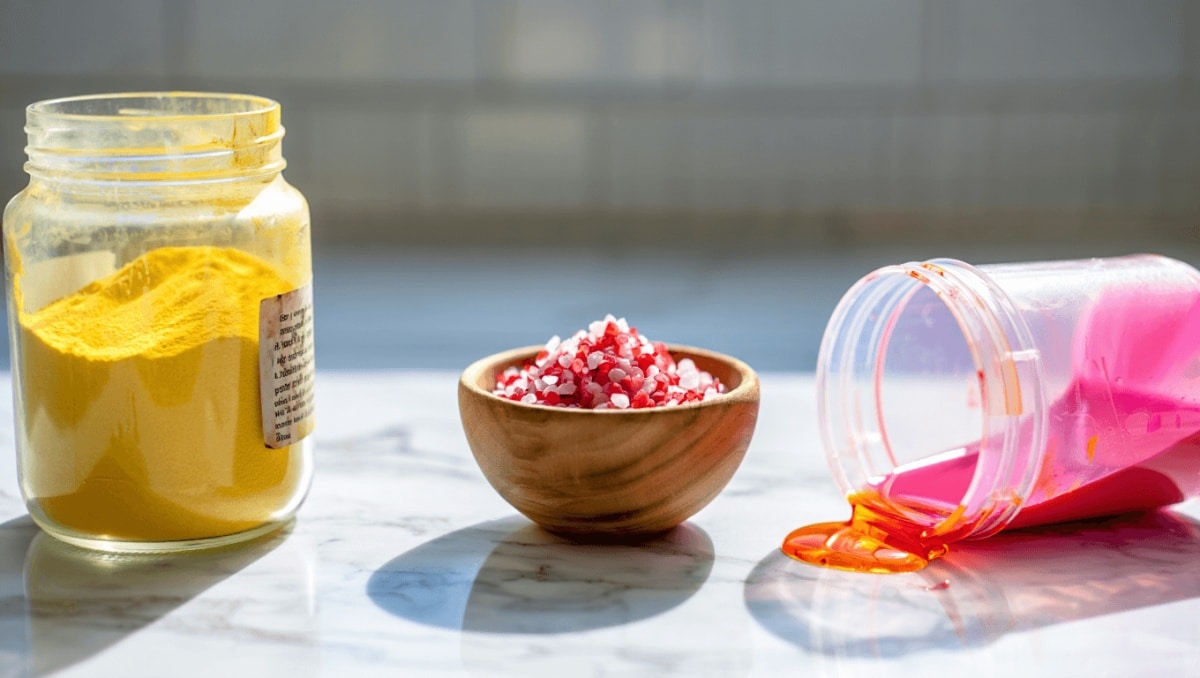
Potassium bromate is a white powder used by bakers to make dough rise higher and breads look whiter.
Why scientists worry
- Lab studies linked potassium bromate to cancer in animals.
- Residual amounts can remain in baked goods if not fully broken down.
Current legal picture
- The UK banned it in 1990.
- The FDA still allows limited use while reviewing safety data.
- California passed a ban in 2023; that law takes effect in 2027.
Azodicarbonamide: the so-called “yoga mat” ingredient
Used to lighten flour and improve dough texture, azodicarbonamide is also a precursor in certain foamed plastics.
Health concerns and workplace risks
- Inhalation in industrial settings has been tied to respiratory problems like asthma.
- Chemical byproducts raise questions about long-term cancer risk.
Regulatory status and industry reactions
- The ingredient is not permitted in the UK.
- The FDA allows restricted use but is reviewing its approval.
- Some companies, including major chains, removed it from products after public pressure.
Mineral oil hydrocarbons: contaminants from packaging to plate
Mineral oil aromatic hydrocarbons (MOAH) and mineral oil saturated hydrocarbons (MOSH) can seep into foods.
How they get into food
- Contaminated packaging materials.
- Production or transfer processes that use petroleum-derived oils.
Risks and rules
- The UK’s Food Standards Agency warns MOAH can damage DNA and may raise cancer risk.
- MOSH exposure is better understood but long-term effects are still under study.
- The US has not set specific federal limits for these compounds in food.
Recent headlines in the UK flagged popular candies after tests found illegal levels of MOAH and MOSH, prompting regulatory alerts and scrutiny of international supply chains.
Policy shifts and political momentum
Health and Human Services officials have signaled a push to tighten food-additive policy.
- A federal spokesperson declined to preview potential rule changes.
- Officials tied reform efforts to a broader public-health agenda.
- State laws and consumer pressure are accelerating corporate ingredient changes.










