
Show summary Hide summary
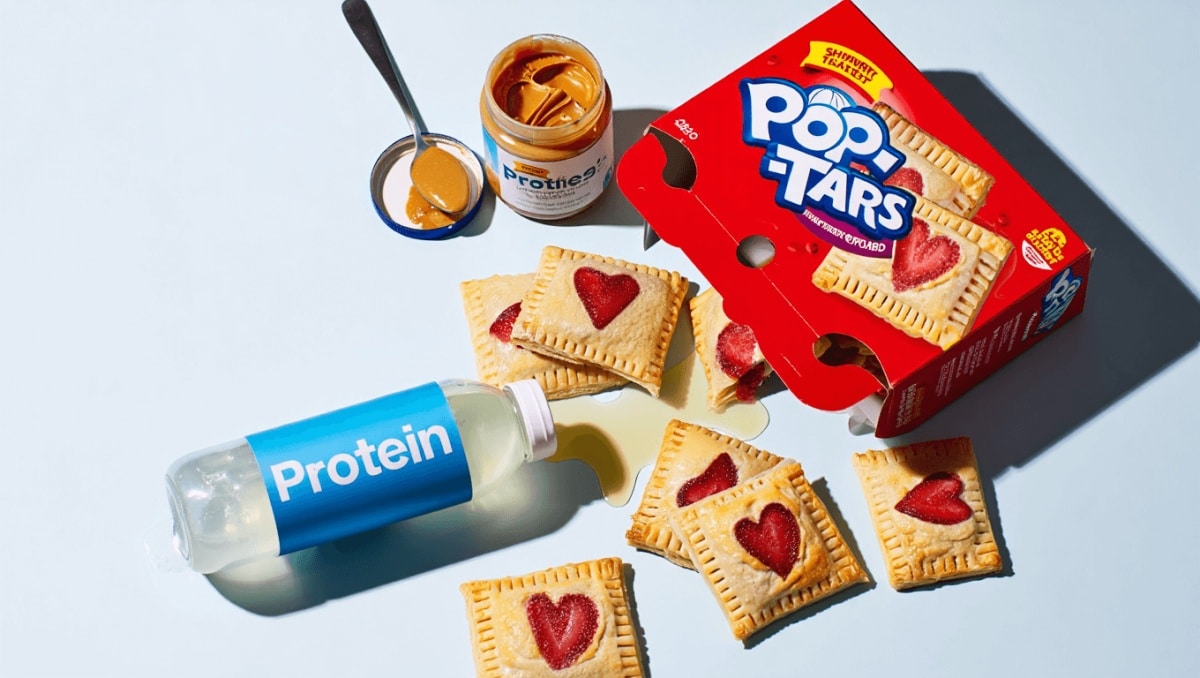
Protein has quietly become a marketing star, showing up in places you wouldn’t expect — from breakfast pastries to flavored water. Companies are slapping “high-protein” badges on familiar snacks, pitching them as smarter choices. The result: a grocery cart full of products that promise muscle gains or satiety, but don’t always deliver meaningful health benefits.
Snack foods remixed as “protein” options
Manufacturers are retooling classic treats to attract shoppers chasing extra protein. The offerings span sweet and savory, and many are highly processed.
Toaster pastries with extra grams
Eggs every day for months: simple check reveals shocking blood test result
Popular childhood food ingredient may raise adult anxiety: study
- Pop-Tarts: New varieties add wheat and milk protein concentrates to double the usual protein per serving.
- Flavored fillings stay the same, but expect a different texture and mouthfeel from the added protein powders.
Chips try to play the fitness card
- Doritos teased a “protein-packed” line, with modest protein per serving spread across a bag.
- Even if labels highlight protein, the snack can still be high in sodium and fat.
Popcorn and candy dressed up as nutritious
- Celebrities and brands have launched popcorn that pushes protein above typical air-popped levels.
- Candy makers now offer protein gummies and chocolate treats enhanced with added protein.
Beverages becoming protein vehicles
Drinks once focused on caffeine or hydration now carry hefty protein claims.
Coffee shops expand into shakes
- Some chains added protein cold foams and lattes to permanent menus.
- These beverages can deliver between 15 and 36 grams of protein in a grande size.
Protein water and other fortified sips
- Several brands sell bottled protein waters with 15 to 20 grams of protein per bottle.
- These typically use whey or isolated proteins to reach higher counts without calories from fats.
Pantry staples pumped up with protein
Even items already known for protein are being reformulated to boast even higher numbers.
Peanut butter with added plant proteins
- Some peanut butters now add plant proteins to lift protein from about 7 grams to 10 grams per two tablespoons.
- That’s a big jump, but it comes with added processing and texture changes.
Cereals, mac and cheese and boxed meals
- Several cereal brands offer protein-fortified versions to lure health-conscious shoppers.
- Mac and cheese products marketed at fitness consumers can claim dozens of grams of protein per box.
What health experts warn about processed “protein” foods
Registered dietitians and clinicians caution that added protein doesn’t automatically make a food healthy.
- Processing matters: Protein-fortified snacks can still be high in added sugars, refined oils, and artificial additives.
- Satiety isn’t guaranteed: A few extra grams won’t offset a product’s overall poor nutritional profile.
- Whole-food options: Experts point to lean meats, fish, nuts, and seeds as cleaner sources of protein.
One nutrition professional noted that products promoted for protein often use ingredients designed to hit taste preferences and keep consumers returning. Those formulations may undermine long-term health goals.
How much protein do people really need?
Guidelines offer a simple baseline that’s easy to calculate and hard to overcomplicate.
- The Recommended Dietary Allowance is 0.8 grams per kilogram of body weight.
- That equals about 0.36 grams per pound.
- For example, a 150-pound adult needs roughly 54 grams of protein per day.
Most Americans meet or exceed these targets through conventional foods like meat, dairy, and eggs. Adding processed protein-rich products is often unnecessary.
Potential downsides of chasing protein through packaged goods
Eating too much protein or relying on ultra-processed sources can carry risks.
- Excessive intake may contribute to kidney stone risk and dehydration.
- Diets very high in animal proteins can elevate heart disease risk over time.
- Processed protein foods often contain inflammatory seed oils and refined sugars.
Practical advice: Prioritize whole-food proteins and read labels for hidden additives. Treat fortified snacks as occasional options, not staples.










