
Show summary Hide summary
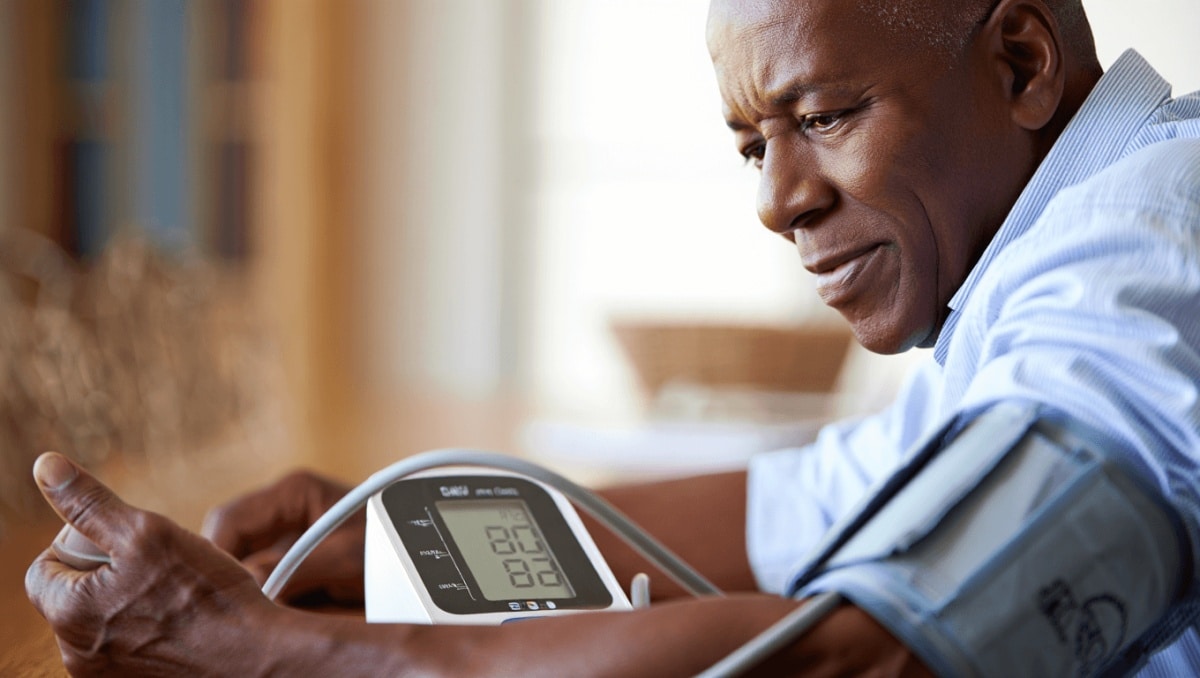
That moment with the cuff squeezing your arm is oddly revealing. The screen lights up, two numbers appear, and you wonder if that result is normal for your age. Blood pressure changes over time, and a single reading rarely tells the whole story.
How to read those two blood pressure numbers
Your monitor shows two values that measure pressure inside your arteries at different times of the heartbeat. Knowing what each number means removes some of the mystery.
Eggs every day for months: simple check reveals shocking blood test result
Popular childhood food ingredient may raise adult anxiety: study
- Systolic: the top number. It measures pressure when the heart contracts and pushes blood into the arteries.
- Diastolic: the bottom number. It measures pressure when the heart relaxes between beats.
So a reading like 120/80 mmHg means 120 on contraction and 80 on relaxation.
Blood pressure vs. “tension”: same thing, different words
In medicine, people say blood pressure. In everyday talk, many say “tension.” Both describe the same phenomenon. Using familiar language makes the topic easier to discuss.
Normal blood pressure ranges by age
120/80 mmHg is often cited as the ideal. But normal values shift subtly with age. These ranges are guidelines, not absolute rules.
- Ages 18–29: about 115–120 / 75–80 mmHg
- Ages 30–39: about 120–125 / 78–82 mmHg
- Ages 40–49: about 125–130 / 80–85 mmHg
- Ages 50–59: about 130–135 / 80–86 mmHg
- Ages 60–69: about 135–140 / 85–88 mmHg
- 70 and older: roughly 140–145 / 85–90 mmHg (often tolerated)
These numbers are reference points. Slight deviations do not automatically mean illness. Only a clinician can confirm a diagnosis.
When should you be concerned about blood pressure?
Occasional spikes or dips are normal. What matters is the pattern over days and weeks.
- High blood pressure: sustained readings above 140/90 mmHg usually indicate hypertension. Chronic elevation can harm the heart and blood vessels.
- Low blood pressure: readings below 90/60 mmHg can cause fainting, dizziness, fatigue, or trouble concentrating.
One isolated measurement is not enough. Coffee, stress, and lack of sleep can temporarily change values. If your numbers stay high or low for several visits, see a doctor for evaluation and possible tests.
Why blood pressure tends to climb with age
Normal aging brings physical changes that can raise pressure.
- Arteries grow stiffer and less elastic over time.
- The heart may need to exert more force to move blood.
- Regulation of blood pressure becomes less precise than in youth.
A modest rise in pressure after age 60 is common. It becomes worrisome if other risk factors are present, such as diabetes, high cholesterol, or obesity.
Practical habits to keep blood pressure steady
Small lifestyle changes often make a big difference. You do not always need medication to improve numbers.
Food and salt
- Reduce salt to lower water retention. Use herbs, spices, lemon, or garlic for flavor.
- Favor whole foods, vegetables, fruits, and lean proteins.
Move more
- Aim for about 30 minutes of moderate activity most days.
- Walking, cycling, gardening, or swimming all help.
Sleep and stimulants
- Prioritize regular sleep. Short nights disrupt pressure regulation.
- Limit excessive caffeine, alcohol, and tobacco. Avoid energy-drink binges.
Monitor and act
- Check your pressure regularly at home or in a pharmacy.
- Use an automatic cuff for consistent readings. Save results to show your clinician.
- Consult your doctor if values remain high or symptoms appear.
Simple, steady changes often prevent a gradual rise in blood pressure. Monitoring trends is essential to deciding next steps.










