
Show summary Hide summary
- Where wild lettuce grows and how to recognize it
- What chemistry lies behind its calming reputation
- Six practical benefits people report from wild lettuce
- How to harvest wild lettuce responsibly
- Drying and storing leaves for later use
- Simple infusion recipe to try at home
- Safety notes and who should avoid it
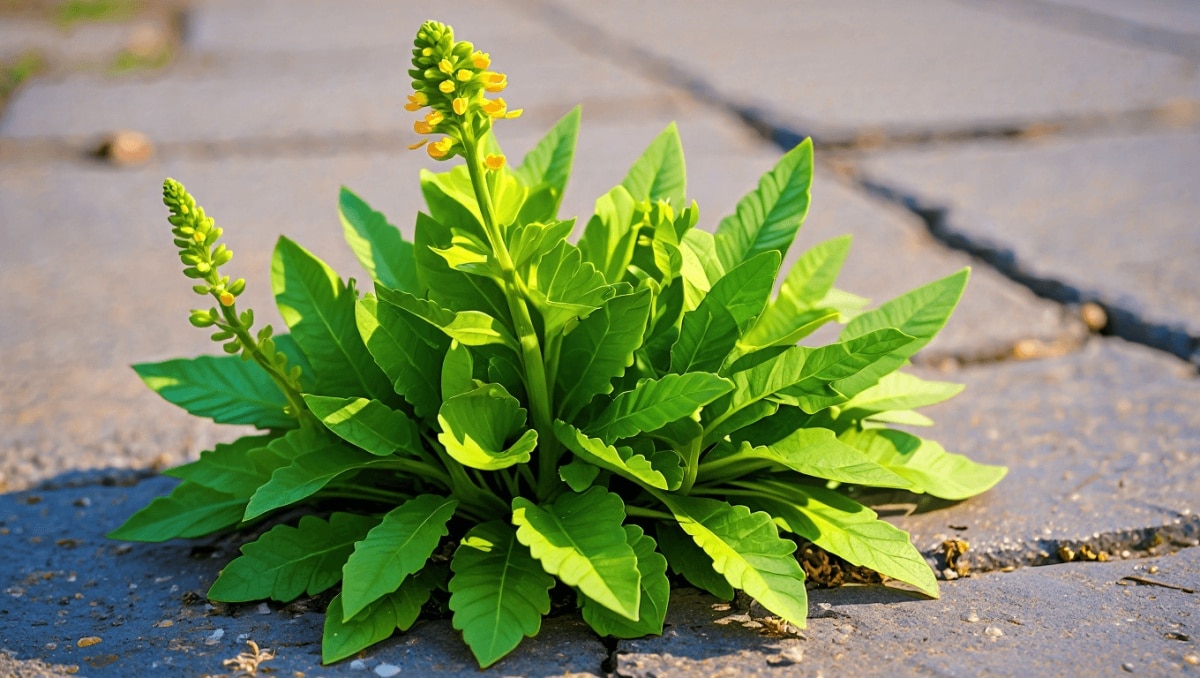
You walk past it on footpaths, among rubble, or between paving stones, and rarely give it a second thought. Yet wild lettuce, known botanically as Lactuca serriola, is a modest plant with a long history of use as a calming herbal remedy. Modern herbalists are revisiting its gentle effects and practical uses for everyday stress and minor discomforts.
Where wild lettuce grows and how to recognize it
Wild lettuce thrives in disturbed ground. It appears on roadsides, in fallow fields, and even in cracks between urban paving stones. Knowing what to look for helps you harvest safely.
Eggs every day for months: simple check reveals shocking blood test result
Popular childhood food ingredient may raise adult anxiety: study
- Leaves: bluish-green with tiny spines along the edges.
- Orientation: older leaves often point north and south, which earned it a folk name as a natural compass.
- Milky sap: break a stem and a white latex will appear.
- Flowers: small yellow blooms in mid to late summer.
Wear gloves while handling it. The stems can be slightly prickly and sticky to the touch. For culinary or medicinal use, favor the young leaves picked before the plant flowers.
What chemistry lies behind its calming reputation
Wild lettuce contains a white latex rich in compounds that act on the nervous system. The most studied substance is lactucopicrin, which has mild sedative and relaxant properties.
Historically, this plant was used to ease pain and help restless nights. Today, people use it for light anxiety, sleep support, and tension without seeking narcotic effects.
Six practical benefits people report from wild lettuce
Below are the most commonly cited uses, phrased to be clear and practical.
1. Gentle relief for minor aches
For headaches, muscle tension, or brief aches, wild lettuce is used as a mild relaxant. Its action is subtle and not habit-forming.
2. Support for falling asleep
An evening infusion can help quiet an overactive mind and ease the transition to sleep. Many users report deeper rest without heavy drowsiness the following day.
3. Calming the nerves without dulling focus
At low doses, it can reduce mild agitation and nervous tension while preserving clarity and concentration.
4. Digestive aid after a heavy meal
The plant’s bitter notes stimulate digestive processes. It may help reduce bloating and promote normal bowel movement after rich food.
5. Mild diuretic action
Wild lettuce can gently encourage fluid elimination. People use it temporarily for water retention or swollen legs without stressing kidney function.
6. Mental lightness in microdoses
Small amounts can produce a subtle feeling of mental clearing, similar to the clarity after rest. Start very small to gauge your response.
How to harvest wild lettuce responsibly
You don’t need a specialty shop to obtain this herb. Still, responsible foraging preserves both plant populations and your safety.
- Pick young leaves before flowering; they are tender and less bitter.
- Avoid plants growing near heavy traffic or polluted sites.
- Use gloves and clean scissors to cut stems.
- Do not harvest protected species or on private land without permission.
Drying and storing leaves for later use
Proper drying preserves aroma and active compounds.
- Rinse leaves gently in cool water and pat dry.
- Spread them in a single layer in the shade on a clean cloth or a wire rack.
- Allow leaves to air-dry until crisp to the touch.
- Store in an airtight jar away from light and moisture.
When stored correctly, dried leaves keep for months and are ready for simple preparations.
Simple infusion recipe to try at home
A light tea is the safest way to test wild lettuce’s calming effects.
- Heat water until it is hot but not boiling.
- Add 1 to 2 teaspoons of dried leaves per cup.
- Cover and steep for 10 to 15 minutes.
- Strain and sip slowly, ideally about 30 minutes before bedtime.
One cup per day is usually enough to feel an effect. Do not increase the dose without guidance.
Safety notes and who should avoid it
Natural does not always mean risk-free. Use common sense and medical advice when needed.
- Avoid during pregnancy and breastfeeding.
- Do not combine with prescription sedatives or sleep aids without consulting a clinician.
- Start with small amounts to observe individual sensitivity.
- If you take ongoing medication, ask a healthcare professional before use.
Moderation is key. If you notice unusual symptoms, stop and seek advice.










