
Show summary Hide summary
You might think your wisdom teeth are simply late bloomers, waiting politely until adulthood to cause chaos. But the real reason they appear so late is much more intriguing—and yes, it might truly surprise you.
The Mystery of Wisdom Teeth: Not So Wise After All?
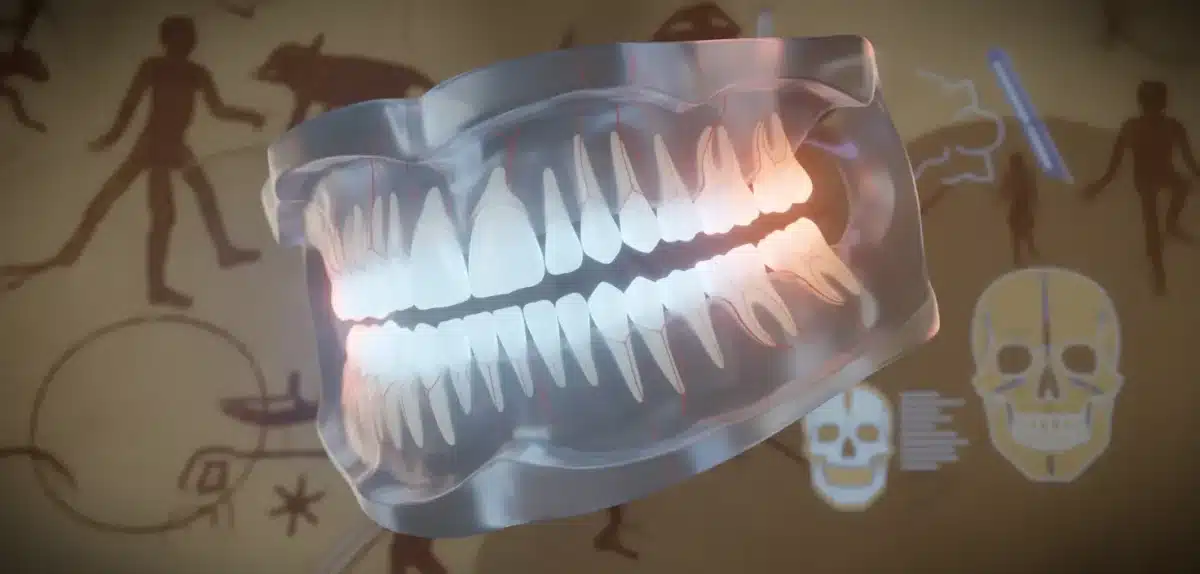
Let’s be honest. Wisdom teeth are like tiny time bombs quietly nesting in our jaws—hidden for years, almost forgotten, until one fine, not-so-sunny day, they decide it’s showtime. Their arrival generally happens between ages 18 and 25, though for some, the surprise party starts even later. It’s no accident that we call them “wisdom” teeth; after all, they emerge when humans are supposed to be wiser, calmer, and making better decisions… like flossing regularly or filing taxes on time.
But why do these last molars wait so long to join the dental lineup? Here’s where things get interesting: there isn’t actually a universally agreed-upon scientific explanation—yet. However, a recent study published in Science Advances, highlighted by Slate.fr, has delivered a refreshing new perspective on this delayed dental debut.
Eggs every day for months: simple check reveals shocking blood test result
Popular childhood food ingredient may raise adult anxiety: study
It’s All About Space: The Jaw’s Real Estate Market
According to anthropologist Halszka Glowacka and paleontologist Gary Schwartz, the secret is surprisingly mechanical: wisdom teeth only appear when a “mechanically safe space” is created. In simple terms, the body holds off on sprouting these teeth until the jaw has as much room as possible. The “launch sequence” doesn’t begin until there’s real estate to spare. No space, no teeth (well—not without drama).
This built-in waiting game isn’t always foolproof, though. Many people end up having their wisdom teeth removed because their jaws are too small, or the teeth grow in the wrong direction—pitching tent where they clearly aren’t welcome. Still, your clever brain does its best to time things right, optimizing your odds of a safe, drama-free molar eruption.
- The push for wisdom teeth begins only when there’s confirmed space in your jaw.
- Small jaws or misaligned teeth? You might need a dentist’s intervention.
- The brain is always working behind the scenes to ensure an ideal (and safe) alignment.
Science Goes Skull-Deep: Comparing Species
To back up this fascinating theory, Glowacka and Schwartz, from the University of Arizona, studied and digitally modeled the skulls of 21 different species. They scrutinized the age at which the final molars made their grand entrance. For humans, things happen in three waves: baby teeth at age six, adult teeth at twelve, and wisdom teeth around eighteen (give or take a few years, and a few wisdom teeth complaints).
But for other primates—think certain chimpanzees and baboons —those pesky final molars show up much sooner. Despite the different timelines, the starting signals for molar growth remain the same. Once the brain detects enough space (considering both tooth length and skull shape) and the chewing muscles are in place, it flips the green light for molar growth. The entire launch is a dance of timing, anatomy, and—when things go wrong—your dentist’s phone number on speed dial.
The researchers emphasized just how delicate this process is. If the brain fires up wisdom teeth too early, the result could be chaos in the jaw and major headaches for your bite’s balance. Timing, it turns out, really is everything.
Slow Grows the Human Jaw: Why We Wait
So, what’s taking so long for the “wisdom” to appear? As Gary Schwartz explains, our jaws grow very slowly. This is probably thanks to our slow-paced life histories (no offense) and our relatively short faces (hey, we can’t all have impressive monkey muzzles). It takes time—sometimes quite a lot of it—before that perfect spot opens up for your wisdom teeth, explaining why human molars tend to arrive so fashionably late.
To sum up, your wisdom teeth are lingering backstage not because they’re shy, but because evolution and your anatomy are determined to avoid dental chaos. The next time your dentist tells you it’s time for those molars to come out (or in), remember: it’s all about creating the perfect conditions and finding enough elbow room in your jaw’s real estate market. Until then, enjoy the slow, calculated drama—and maybe take pride in the fact that your body’s timing is, quite literally, a work of jaw-dropping precision!










