
Show summary Hide summary
Forget expensive whitening kits gathering dust in your bathroom! A new-old player is making a comeback on the natural oral care scene: sage leaves. This time-honoured remedy, once a secret tucked away in family medicine chests, is capturing fresh interest. But do these little aromatic leaves have what it takes to brighten up our modern smiles? Let’s put this natural method under the microscope—somewhere between tradition, science, and a dash of skepticism.
Sage: More Than an Aromatic Herb
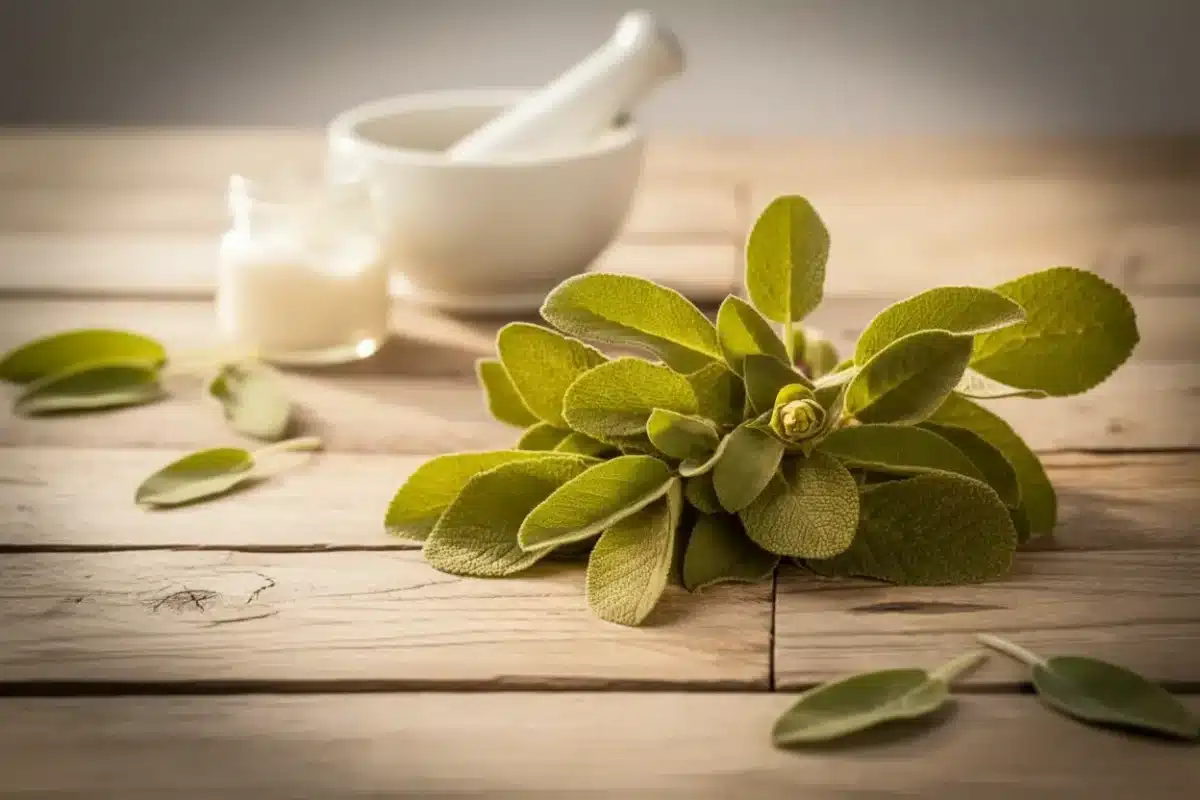
Sage—Salvia officinalis, if you like your Latin—isn’t just your roast chicken’s best friend. The Romans considered it a cure-all, and its name comes from the Latin “salvare,” meaning “to save.” It’s loaded with essential oils and phenolic compounds, giving it acknowledged antimicrobial and anti-inflammatory powers. These are precisely the properties that make sage a potential ally for oral hygiene. But before you start raiding your herb garden, let’s see what science and tradition have to say.
Sage vs. Modern Whitening: Tradition Meets Science
Many natural techniques harness sage’s plant-based powers to clean—and maybe lighten—dental enamel. Crucially, though, science hasn’t actually proven sage is effective for whitening teeth, despite the whispers from your grandmother’s recipe book.
Eggs every day for months: simple check reveals shocking blood test result
Popular childhood food ingredient may raise adult anxiety: study
Dr. Émilie Fournier, a Parisian dentist, sheds light: “Sage contains tannins that can help tighten gum tissue. This is particularly interesting for those with mild gingivitis.” Nice bonus, right? Still, Dr. Fournier is clear: these benefits can’t replace diligent oral hygiene or regular dental check-ups.
Compared to high-tech professional whitening, using sage leaves might feel a little, well, rustic. In-clinic treatments can lighten your pearly whites by 3 to 8 shades and do so rapidly. Sage, on the other hand, works (if at all!) far more subtly—and much more slowly. Think of your mouth as an art gallery: professional treatments are the dazzling spotlights; sage, a gentle, natural glow that slowly brings out your teeth’s best side day by day.
Risks and Realities: Not All That’s Natural Is Innocent
- Sage is natural—but ‘natural’ doesn’t mean ‘risk-free’.
- Overuse can irritate your mouth’s delicate lining. Plus, sage contains thujone, which is potentially neurotoxic in high doses.
- Pregnant or breastfeeding women should avoid heavy use of sage due to its phytoestrogenic effects.
Phytotherapy researcher Dr. Marc Leroy stresses: “Nature does not always equal harmless. It’s important to respect dosage and not substitute sage for traditional dental care.”
Alternatives like sage can complement your oral hygiene routine, but can’t replace good ol’ brushing and flossing. Curious about baking soda instead? Check out our article “I whitened my teeth with baking soda: here’s what I learned.” (Spoiler: results may vary.)
The Real Secret to a Radiant Smile
A truly healthy mouth isn’t built on natural remedies alone. Picture your mouth as a garden: natural remedies are like organic fertilizer—helpful, but not enough without regular maintenance and the right care.
- Balanced diet? Essential. Crunchy fruits and veggies help clean teeth naturally.
- Green tea is celebrated for supporting oral health, too.
- For more on natural wonders, dive into our piece on “The incredible benefits of rose water.” Though it focuses on skin, it shows how natural remedies offer benefits for different parts of the body.
Using sage for teeth whitening reflects a broader return to natural remedies. Its antimicrobial and anti-inflammatory effects are documented, but its enamel-brightening power remains scientifically unproven. Think of sage as a trusty sidekick in your quest for a brighter grin—not a miracle worker. It can fit into an overall oral care routine, right alongside brushing, flossing, and those ever-important visits to your dentist.
At the end of the day, the secret to a great smile is a holistic approach to mouth health. Natural solutions like sage can play a small role, but they can’t replace professional dental care and a rock-solid daily routine.
So, what about your oral hygiene habits? Could blending in natural touches like sage bring more joy—and maybe a little more sparkle—to your routine? The key is finding that sweet spot between tradition and innovation, nature and science—for a smile that truly mirrors your overall health. After all, the real goal isn’t just a white smile, but a healthy one.
Is there a story or subject you think deserves a spotlight? We’re all ears for your suggestions and contributions. Together, let’s make sure the voices that matter are heard.










