
Show summary Hide summary
- Products pulled from shelves and where they were sold
- How federal investigators connected the outbreak
- What listeriosis is and why it can be dangerous
- Why Listeria is hard to control in foods
- Practical steps to protect yourself and your household
- What clinicians and public health experts are advising now
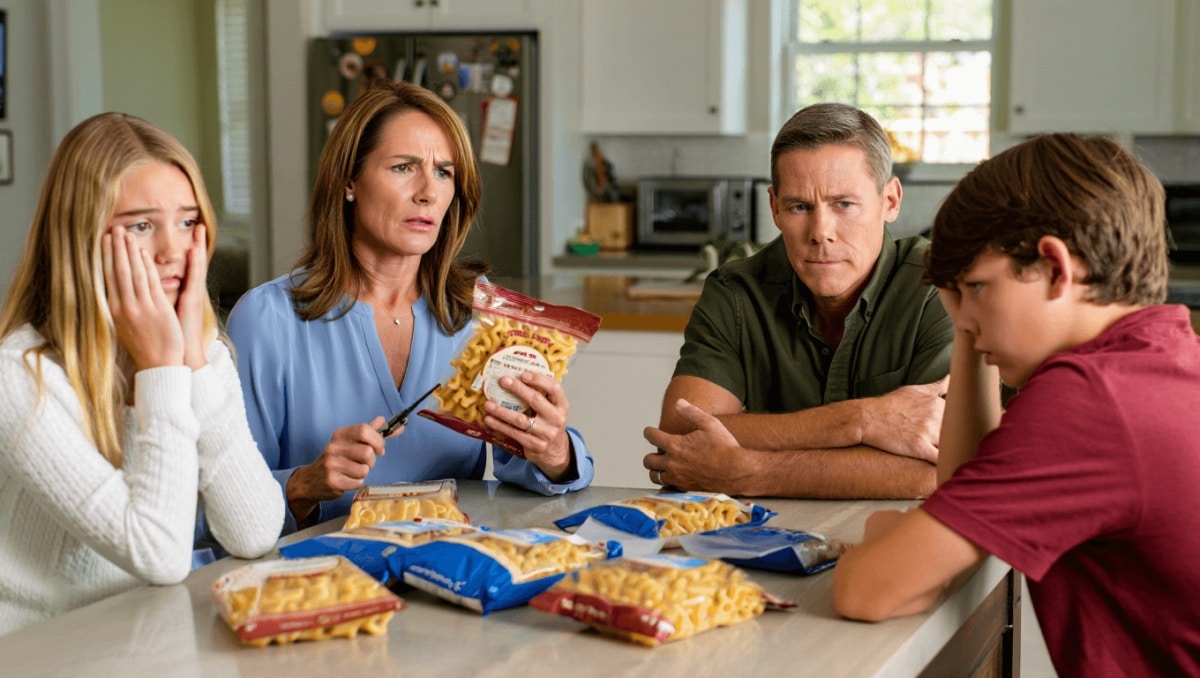
Health officials have urged consumers to discard certain ready-to-eat pasta meals after traces of Listeria were linked to a multistate outbreak. The recall covers products sold at major retailers and follows an ongoing federal probe into contaminated prepared meals.
Products pulled from shelves and where they were sold
Federal alerts name several branded meals and store-label items now under recall. Check your fridge and freezer if you shop at these chains.
Eggs every day for months: simple check reveals shocking blood test result
Popular childhood food ingredient may raise adult anxiety: study
- Trader Joe’s Cajun Style Blackened Chicken Breast Fettuccine Alfredo, 16 oz.
- Marketside Linguine with Beef Meatballs & Marinara Sauce, 12 oz.
- Marketside Grilled Chicken Alfredo with Fettuccine, 12.3 oz.
- Marketside Grilled Chicken Alfredo with Fettuccine, 32.8 oz.
- Home Chef Chicken Fettuccine Alfredo, 12.5 oz.
- Scott & Jon’s Shrimp Scampi with Linguini Bowls, 9.6 oz.
In addition, Albertsons reported voluntarily removing deli items made with bowtie pasta. The FDA’s recall notices list specific lot numbers and expiry dates for consumers to verify.
How federal investigators connected the outbreak
The Food and Drug Administration began tracing cases in June. The USDA’s Food Safety and Inspection Service later issued public alerts after tests linked products to the same bacterial strain.
Manufacturer testing found genetically related Listeria monocytogenes in ingredients used to produce some meals. Companies said they informed regulators and suppliers once an ingredient tested positive.
The Centers for Disease Control and Prevention has associated this outbreak with 20 confirmed cases and four deaths. Illnesses have appeared across about 15 states.
Who manufactures and supplies the affected meals
Several firms were named in public statements and recall filings. One supplier recalled specific lots of pre-cooked pasta after positive test results tied ingredients to the outbreak. Retailers removed items from sale while investigations continue.
What listeriosis is and why it can be dangerous
Listeriosis is an infection caused by the bacterium Listeria monocytogenes. It is less common than many foodborne illnesses but can be severe.
In the U.S., about 1,250 people are diagnosed each year. Roughly one in five of those cases end in death, and most patients need hospitalization.
Early, mild symptoms often clear in days. More serious infection can affect the brain and bloodstream.
- Milder signs: fever, nausea, vomiting, diarrhea, muscle aches.
- Severe signs: headache, stiff neck, confusion, loss of balance, seizures.
Pregnant people, newborns, adults 65+, and anyone with a weakened immune system face the greatest risk. In pregnancy, the infection can cross the placenta and lead to miscarriage or stillbirth.
Why Listeria is hard to control in foods
Unlike many bacteria, Listeria can survive and even grow at refrigeration temperatures. That ability makes ready-to-eat meals and deli items particularly vulnerable.
Contamination can occur at multiple points:
- On raw ingredients from soil, water, or animals.
- During processing if equipment or surfaces are contaminated.
- After cooking, if prepared foods are handled or packaged improperly.
Poor sanitation, gaps in the cold chain, or contaminated ingredients can allow bacterial strains to persist in facilities and finished products.
Practical steps to protect yourself and your household
If you purchased any recalled items, do not eat them. Dispose of the food or return it to the place of purchase for a refund.
- Check the FDA website for lot numbers and expiration dates linked to the recall.
- Discard or return suspected products immediately.
- Thoroughly clean refrigerators, counters, utensils, and containers that contacted the recalled foods.
- Wash hands, fruits, and vegetables before handling or eating.
- Cook food to safe temperatures and store per label instructions.
If you develop symptoms after eating a recalled product, contact your healthcare provider promptly. Early testing and targeted antibiotics can reduce the risk of severe outcomes.
What clinicians and public health experts are advising now
Doctors warn consumers to take the recall seriously. For vulnerable groups, exposure can lead to rapid worsening and hospitalization.
Health experts note that Listeria infections may take weeks to show up. That delay means new cases could continue to appear even after recalled items are off shelves.
Anyone who believes they consumed an affected product and feels unwell should seek medical care without delay. Federal agencies continue to update guidance as investigations progress.










