
Show summary Hide summary
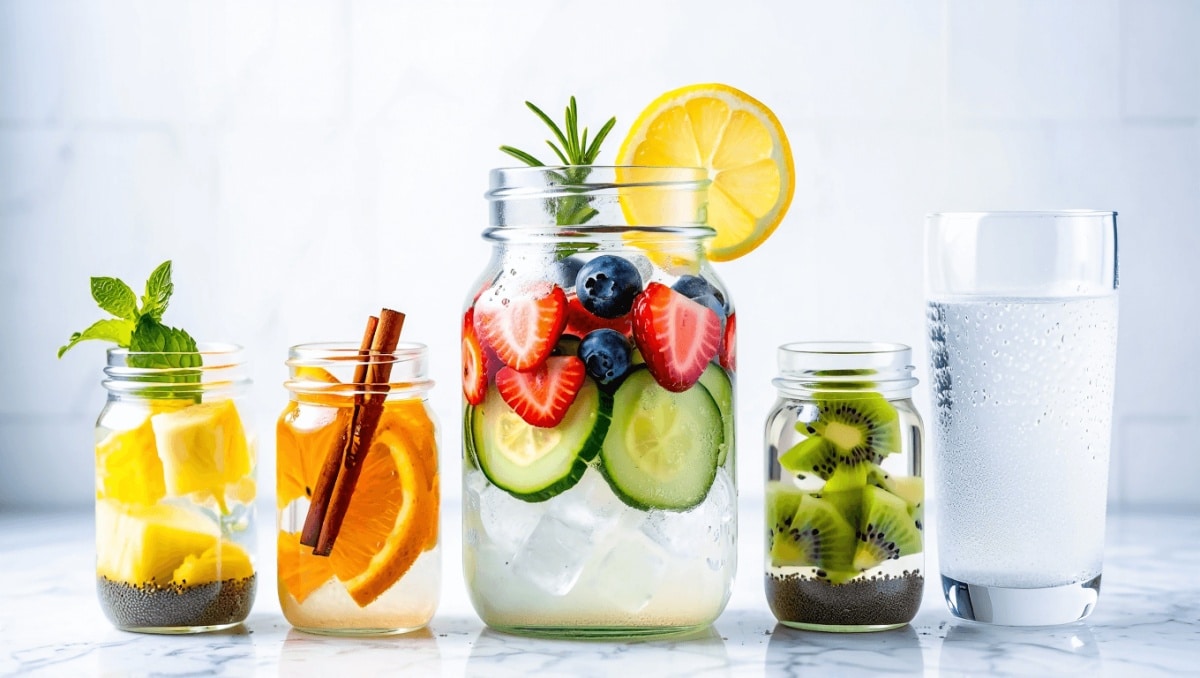
Social media has a new hydration hobby: “loaded water.” Videos show colorful jars filled with fruit, fizz, electrolytes, and prebiotics. Fans say these mixes boost energy, curb sugar cravings, and make plain water exciting. Nutrition experts say some recipes can help — but others add unnecessary sugar or cause digestion issues. Here’s a clear look at what loaded water actually does, who might benefit, and how to make it work safely.
Why loaded water caught fire on social platforms
Short videos turned a simple idea into a trend. Creators layer fruit, add powders, and call it a wellness shortcut.
Eggs every day for months: simple check reveals shocking blood test result
Popular childhood food ingredient may raise adult anxiety: study
- Many people avoid plain water because it tastes bland.
- Loaded water offers variety and visual appeal.
- Creators often promise extra perks, like reduced cravings or sustained energy.
For behavior change, novelty matters: if a flavored bottle gets someone to drink more fluids, it can be useful.
Key ingredients people add — and what they actually contribute
Recipes vary widely. Below are the common additions and the plausible effects behind them.
Electrolytes and sports-style mixes
Electrolyte powders, coconut water, and premade sports mixes supply sodium, potassium, and magnesium.
- These minerals help maintain fluid balance and muscle function.
- They can be useful after long workouts or heavy sweat sessions.
- But most daily activities don’t require extra electrolytes.
Fresh fruit, herbs and flavor agents
Slices of citrus, berries, cucumber, and mint add aroma and subtle taste.
- Whole fruit contributes small amounts of vitamins and antioxidants.
- Fruit juices or syrups raise sugar and calorie content quickly.
Prebiotics and fizzy additions
Some recipes use inulin, chicory root, or prebiotic sodas to support gut bacteria.
- Prebiotics can benefit gut health for some people.
- They may cause bloating or gas when introduced too fast.
Sugars, syrups and commercial flavor powders
Not all mixes are low-calorie. Packaged powders or syrups can supply significant sugar.
Watch labels: added sugars undermine the hydration benefit if the goal is to replace sugary drinks.
Possible downsides to loaded water
Not every addition is harmless. Risks depend on ingredients and personal health.
- Added sugars increase calories and reduce the advantage over soda.
- Excess sodium or potassium can be risky for people with kidney disease or high blood pressure.
- Prebiotics may cause digestive discomfort in some users.
Medical conditions matter: people with chronic illness should consult a clinician before using electrolyte-heavy mixes.
How loaded water compares to plain water
For most people, plain water meets hydration needs. It’s zero calories and simple to drink.
Loaded water can be helpful when plain water is rejected or when someone sweats heavily and needs minerals.
Plain water is usually sufficient unless activity, heat, or health conditions increase electrolyte loss.
Smart ways to make loaded water healthier
- Choose whole fruit over juices and syrups to limit added sugar.
- If using juice or syrup, dilute it heavily — a 1:5 to 1:10 ratio is a safe guide.
- Measure electrolyte powders and follow package instructions.
- Introduce prebiotics slowly to reduce gas and bloating.
- For chronic conditions, get medical advice before adding electrolytes.
Small changes matter: a few fruit slices or a splash of coconut water can improve taste without overwhelming calories.
Everyday hydration habits that work
- Keep a filled water bottle with you all day.
- Replace sodas with water or a lightly flavored alternative.
- Set hourly reminders to take sips.
- Drink before and after meals and during exercise.
- Aim to monitor total intake; many adults benefit from roughly 9–13 cups per day, adjusted for activity and climate.
If you experiment with a loaded water recipe, start small and note how your body responds.










