
Show summary Hide summary
- What makes sea buckthorn nutritionally powerful
- How sea buckthorn affects skin health and appearance
- Cardiovascular and metabolic benefits researchers are exploring
- Early evidence on cancer, immunity and chemotherapy support
- Common ways to use sea buckthorn and product options
- Possible side effects and safety considerations
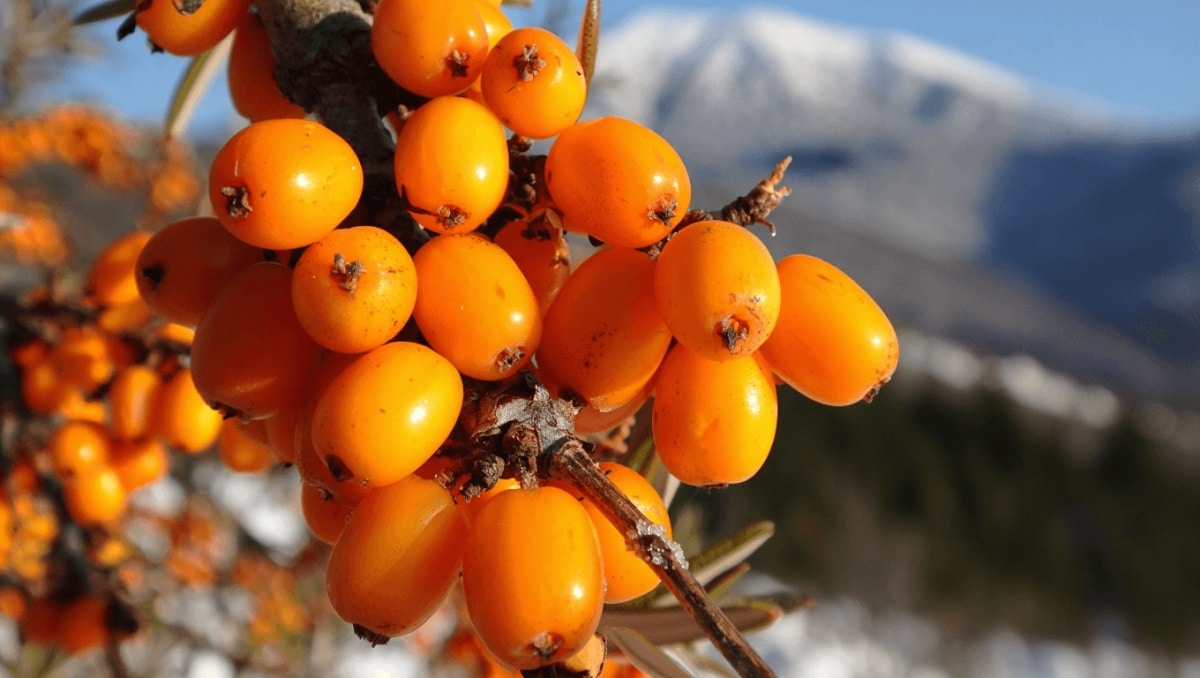
Tiny, bright-orange berries that thrive in harsh coastal and mountain climates are drawing new attention from scientists and skincare brands alike. Known for a dense mix of vitamins, fatty acids and antioxidants, sea buckthorn is now found in oils, creams, drinks and supplements. Researchers say the plant’s nutrients may support skin, heart and metabolic health, while traditional uses span centuries.
What makes sea buckthorn nutritionally powerful
Sea buckthorn berries and their seed oil contain a rare combination of nutrients. The mix differs by preparation, but both fruit and oil are nutrient-dense.
Eggs every day for months: simple check reveals shocking blood test result
Popular childhood food ingredient may raise adult anxiety: study
- Vitamins: notably high in vitamin C, vitamin E and provitamin A.
- Fatty acids: includes omega-3, omega-6, omega-7 (palmitoleic acid) and omega-9.
- Polyphenols and carotenoids: plant compounds with antioxidant and anti-inflammatory effects.
- Minerals: small amounts of potassium, iron and other trace elements.
That combination gives the plant both antioxidant capacity and unique fatty-acid content. Omega-7 is a standout, which is less common in most plant oils and often highlighted in product marketing.
How sea buckthorn affects skin health and appearance
Cosmetic companies use sea buckthorn in facial oils, creams and serums. Researchers have studied its topical and oral uses for skin.
- Improves skin hydration and barrier function through fatty acids.
- Supports collagen production and elasticity in animal studies.
- May reduce symptoms of acne and inflammatory skin conditions.
- Antioxidants help neutralize free radicals that age skin.
Applied topically, the oil can feel rich and may temporarily tint skin or fabric due to its orange hue. Vitamins A, C and E together are linked to fewer fine lines and better tone in various lab and preclinical tests.
Cardiovascular and metabolic benefits researchers are exploring
Multiple mechanisms could explain sea buckthorn’s impact on heart and metabolic health. The combined fatty acids and polyphenols play a central role.
- Fatty acids may help regulate blood lipids and blood pressure.
- Polyphenols provide antioxidant protection to blood vessels.
- Some human and animal studies report modest improvements in cholesterol markers.
- Small trials suggest juice or puree might lower blood sugar modestly.
While laboratory and animal data are promising, larger human trials are needed to confirm consistent, long-term cardiovascular or diabetes prevention effects.
Early evidence on cancer, immunity and chemotherapy support
Laboratory research has examined sea buckthorn compounds for anticancer activity.
- Cell and animal studies show potential effects against breast, liver and cervical cancer cells.
- Antioxidants and fatty acids may enhance immune responses in lab settings.
- Some reports indicate the oil could help with appetite loss and side effects during chemotherapy.
These findings are preliminary. Most evidence comes from lab or small animal studies, so clinical confirmation in people is still limited.
Common ways to use sea buckthorn and product options
Sea buckthorn appears in many formats. Users choose based on intended benefit and convenience.
- Cold-pressed seed oil for topical application or small oral doses.
- Berries and purees added to smoothies and beverages.
- Capsules and softgels standardized for omega-7 or total oil content.
- Skincare products: facial oils, balms, shampoos and creams.
When buying, check for extraction method and ingredient lists. Cold-pressed oils preserve more fatty acids than highly refined products. Start with low doses to test tolerance.
Practical tips for first-time users
- Patch-test topical oils to avoid skin staining and irritation.
- Add puree to foods rather than drinking concentrated juice at once.
- Read supplement labels to know omega-7 content and serving size.
- Choose reputable brands with third-party testing when possible.
Possible side effects and safety considerations
Sea buckthorn is natural, but it can cause discomfort for some people.
- Gastrointestinal upset, nausea or vomiting from the berries’ acidity.
- Urine or stool may turn dark yellow or orange from pigments. This is harmless.
- Topical use can temporarily stain skin, hair or fabrics.
- Allergic reactions are possible but uncommon.
If you take blood-thinning drugs or have a medical condition, consult a clinician before starting high-dose supplements. Pregnant or breastfeeding people should seek medical advice before using concentrated sea buckthorn products.










