
Show summary Hide summary
- Where cloves come from and how they are grown
- Nutritional and chemical profile that matters for health
- 12 clove benefits with real-life uses
- 1. Fast relief for tooth pain
- 2. Helps control gum inflammation and bad breath
- 3. Broad antimicrobial activity
- 4. Support for urinary tract infections
- 5. Aids digestion and eases bloating
- 6. Protects the stomach lining
- 7. Relieves coughs and soothes sore throats
- 8. Strengthens natural immunity
- 9. Powerful antioxidant and anti-aging effects
- 10. Helps control blood sugar
- 11. Heart-supporting properties
- 12. Traditional aphrodisiac effects
- Other practical uses and household benefits
- Best clove pairings for health, kitchen and cleaning
- Practical ways to use cloves and recommended doses
- Who should avoid cloves and important safety notes
- Scientific recognition and a long history of use
- Ancient roots and cultural traditions around cloves
Most kitchens hide a small brown powerhouse: the clove. Beyond its warm scent and culinary flair, this dried flower bud packs nutrients and active compounds with proven effects on pain, microbes, digestion and more.
Where cloves come from and how they are grown
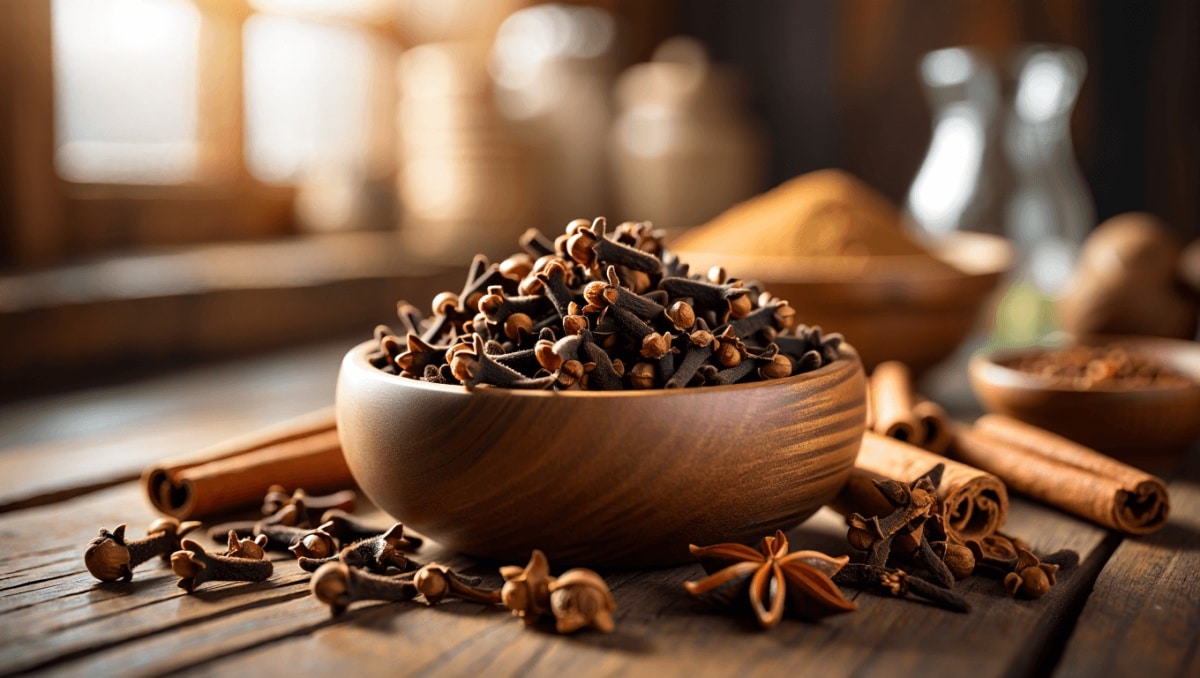
Cloves are the dried flower buds of a tropical tree, botanically known as Syzygium aromaticum. Native to the Moluccas, they spread across South and Southeast Asia. Today major producers include India, Madagascar, Tanzania and Brazil.
Eggs every day for months: simple check reveals shocking blood test result
Popular childhood food ingredient may raise adult anxiety: study
Harvest happens before the buds open. When they turn from green to red, they are picked and sun-dried until the deep brown-red spice we know appears.
Nutritional and chemical profile that matters for health
Key minerals and vitamins
- Cloves contain notable amounts of iron, calcium, magnesium and potassium.
- They provide vitamins A and E and several antioxidant flavonoids.
- About 11 mg of iron per 100 g makes them useful as a small dietary iron source.
The essential oil and eugenol
Around 18–20% of clove by weight can be essential oil. This oil is rich in eugenol, which may comprise up to 90–95% of the oil.
Eugenol brings anti-infective, anti-inflammatory and analgesic actions. Other compounds include beta-caryophyllene, methyl salicylate and various flavonoids that boost antioxidant effects.
12 clove benefits with real-life uses
Cloves are linked to many health effects. Below are twelve of the most cited benefits and how they work.
1. Fast relief for tooth pain
Clove oil and whole cloves act as a natural topical analgesic. Eugenol numbs local nerves, offering quick comfort for dental aches.
2. Helps control gum inflammation and bad breath
Antiseptic components reduce bacterial load in the mouth. A clove rinse can calm inflamed gums and freshen breath when used correctly.
3. Broad antimicrobial activity
Research shows clove compounds inhibit bacteria such as Staphylococcus aureus, E. coli, Salmonella and Helicobacter pylori, plus fungi like Candida albicans and some viruses.
4. Support for urinary tract infections
The spice’s antibacterial and mild diuretic properties can help clear urinary pathogens when used alongside medical treatment.
5. Aids digestion and eases bloating
Cloves stimulate digestive enzymes and relax intestinal muscles. A post-meal clove infusion soothes gas and cramps.
6. Protects the stomach lining
Clove compounds can reduce gastric inflammation and may help limit H. pylori growth, supporting ulcer prevention.
7. Relieves coughs and soothes sore throats
Expectorant and anti-inflammatory actions make clove tea useful for coughs, bronchitis symptoms and throat irritation.
8. Strengthens natural immunity
Phenolic agents in cloves stimulate immune cells and help the body resist infections when taken moderately.
9. Powerful antioxidant and anti-aging effects
Flavonoids and phenolics scavenge free radicals. Regular modest use contributes to cellular protection and reduced oxidative stress.
10. Helps control blood sugar
Cloves may slow enzymes involved in glucose spikes and can support blood lipid balance, aiding metabolic health as part of diet and care.
11. Heart-supporting properties
By promoting vessel relaxation and modest blood thinning, clove intake can ease blood pressure and circulation. Consult a doctor if you take anticoagulants.
12. Traditional aphrodisiac effects
Used for centuries in Asian medicine, clove extracts have been associated with libido support and sometimes with increased testosterone in experimental studies.
Other practical uses and household benefits
- Painful joints: diluted clove oil applied topically may ease arthritis and muscular aches.
- Skin care: antibacterial actions help reduce acne and support wound healing when used gently.
- Natural insect repellent: crushed cloves deter flies and mosquitoes when placed on surfaces or paired with citrus.
Best clove pairings for health, kitchen and cleaning
Combining cloves with other natural ingredients amplifies their effects. Try these tested mixes.
- Clove + lemon: morning infusion to support immunity and detox.
- Clove + garlic: a potent duo against infections.
- Clove + cinnamon: stabilizes blood sugar and warms the body.
- Clove + ginger + tea: triple formula for colds and congestion.
- Clove + bay leaf: traditional blend for digestion and stress relief.
- Clove in topical masks or serums: helps fight acne and oxidative skin aging.
- Clove + petroleum jelly: easy remedy for chapped lips and dry heels.
- Clove + white vinegar: homemade disinfectant for surfaces.
- Clove + rosemary: infusion to boost circulation and mental focus.
- Clove placed with soap in toilets: continuous deodorizing and mild disinfection.
Practical ways to use cloves and recommended doses
Make a clove infusion (tea)
- Crush 4–5 whole cloves per cup of boiling water.
- Cover and steep 10–15 minutes, then strain.
- Drink 2–3 cups daily after meals.
- Do not exceed about 2.5 g of cloves per day (roughly one rounded teaspoon).
Prepare a stronger decoction
- Place 2–3 cloves per cup in cold water, boil 3 minutes, then steep 10 minutes off heat.
- Decoctions extract more active components, useful for digestion issues.
DIY mouthwash
- Boil 500 ml water with 4–5 cloves, steep 10–15 minutes and strain.
- Cool, refrigerate up to 48 hours and gargle up to three times daily for oral infections.
Using clove essential oil
- Always dilute the oil before applying; never use undiluted on skin.
- 2–3 drops on a cotton swab can relieve local tooth or skin pain.
- For massage, blend into a carrier oil and follow safe dilution ratios.
Powdered cloves
- Ground clove is easy to mix into drinks or recipes.
- Common supplemental ranges: 200–500 mg in water, 2–3 times per day.
- Use a pinch in savory dishes, baked goods or hot beverages.
Who should avoid cloves and important safety notes
People who should be cautious
- Pregnant or breastfeeding women: avoid medicinal doses; culinary amounts are acceptable.
- Children under 6: do not use cloves medicinally; mouth rinses only under supervision.
- Anyone on blood thinners (warfarin) or NSAIDs: speak with your physician before use.
Possible interactions and overdose risks
Eugenol can affect blood clotting and interact with anticoagulant or hypoglycemic drugs. High exposure can cause nausea, liver irritation or seizures in extreme cases.
Stop clove supplements at least 15 days before surgery to reduce bleeding risk and always follow recommended doses.
Scientific recognition and a long history of use
Major health organizations acknowledge traditional clove uses. The World Health Organization lists clove as a traditional remedy for dental pain and mouth infections.
European herbal agencies approve certain topical and oral applications for mild mouth and throat inflammation. Modern studies also back clove’s antimicrobial and antioxidant activities.
Ancient roots and cultural traditions around cloves
Cloves have been prized since antiquity. Ancient Egyptians used them for preservation and embalming. In imperial China and elsewhere, chewing a clove refreshed the breath and signaled hospitality.
Across India and Asia, cloves have featured in medicinal systems for centuries, valued both as a spice and as a therapeutic plant.










