
Show summary Hide summary
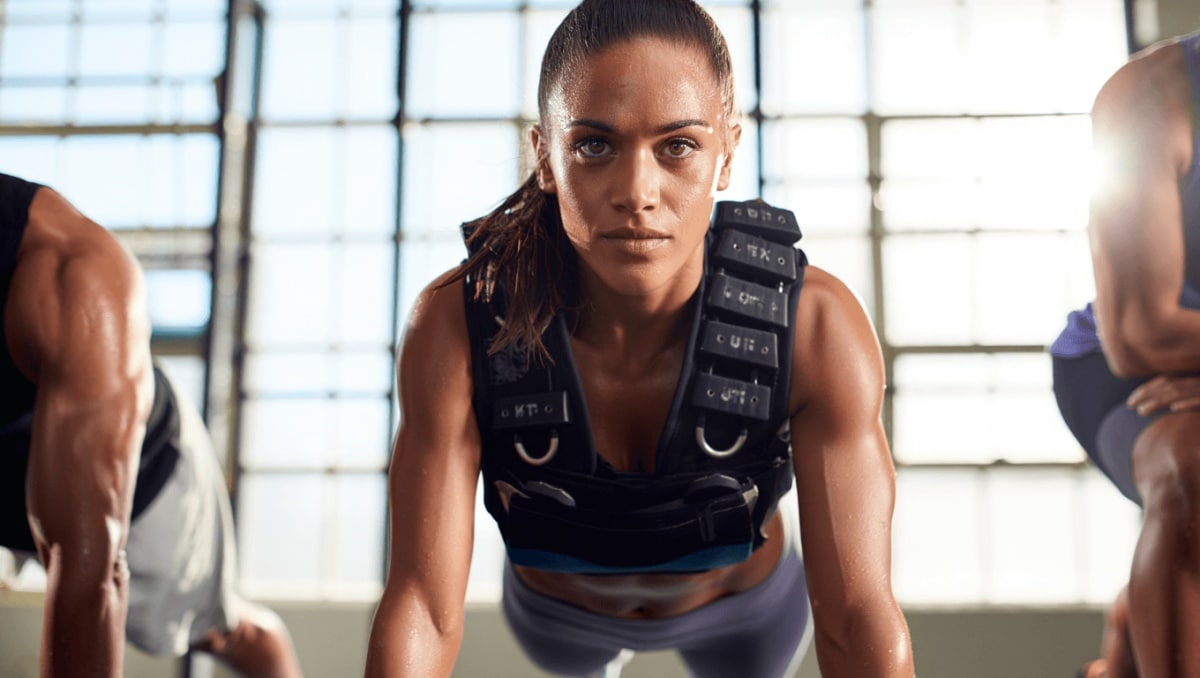
Adding small amounts of weight to your body while you move is a simple idea with growing popularity. Whether worn on runs, walks, or during bodyweight workouts, weighted vests promise to speed fitness gains. But how much do they help, and do they really boost fat loss? Recent research paints a nuanced picture.
How weighted vests change your workouts and body
Weighted vests increase the load your muscles and bones carry. This changes how your body responds to exercise.
Eggs every day for months: simple check reveals shocking blood test result
Popular childhood food ingredient may raise adult anxiety: study
- Higher effort for the same movement: Walking or doing squats with a vest raises energy use.
- Greater muscular stimulus: More load forces muscles to adapt, which can improve strength.
- Bone impact: Extra weight can stimulate bone remodeling, potentially aiding bone health.
What the research says about fitness gains
Multiple studies suggest that vests can boost fitness outcomes in certain settings.
- Cardiovascular conditioning: Adding weight during aerobic sessions can increase heart rate and perceived effort. This may accelerate improvements in endurance for some people.
- Strength and power: When bodyweight movements become heavier, strength gains often follow, especially for beginners.
- Functional ability in older adults: Small, well-supervised studies show gains in balance and walking speed when older adults train with modest additional weight.
Evidence varies by population and program
Results depend on factors such as age, fitness level, and how the vest is used. Athletes who already train with heavy loads see smaller benefits. New exercisers and older adults often experience the most noticeable changes.
Why weight loss claims are less convincing
Burning more calories during a single session does not always translate into long-term fat loss.
- Short-term calorie increase: Wearing a vest can raise energy expenditure during activity.
- Compensatory behaviors: People may rest more or eat more after harder workouts, which counters calorie deficits.
- Limited long-term trials: Few long-term randomized studies show clear additional fat loss from wearing vests versus standard training.
In short, vests can raise immediate energy use, but evidence that they cause greater lasting weight loss is mixed.
Safety and common concerns
Weighted vests are not risk-free. Proper use is essential to avoid injury.
- Joint stress: Extra load increases force through knees, hips, and spine.
- Posture and gait changes: Poorly fitted vests may alter movement mechanics.
- Overuse injuries: Too much weight or sudden increases can cause strains.
Who should be cautious
- People with back or knee problems
- Older adults who lack supervision
- Beginners who’ve never trained with added load
Practical tips for safe, effective use
Follow evidence-informed guidelines to get benefits without harm.
- Start light: Begin with 2–5% of body weight and progress slowly.
- Keep sessions short at first: 10–20 minutes of weighted walking or circuit work is sufficient.
- Focus on form: Prioritize clean movement over heavier loads.
- Combine with resistance training: Vests work best as part of a broader program.
- Check fit: A snug vest that doesn’t shift reduces risk.
- Monitor recovery: Reduce weight or frequency if pain or excessive fatigue appears.
Types of vests and how to choose one
There are many models. Select one that matches your goals and comfort needs.
- Fixed-weight vests: Simple, lightweight options for walking and bodyweight drills.
- Adjustable plate vests: Allow gradual increases in load for progressive training.
- Distributed weight designs: Spread load to minimize pressure points and maintain posture.
- Specialty race vests: Designed for runners with aerodynamic profiles and secure fit.
How to measure whether a vest is helping
Track progress with simple metrics, not just the scale.
- Performance benchmarks: Time trials, number of reps, and walking speed.
- Objective markers: Heart rate response and perceived exertion.
- Body composition: Use consistent methods if evaluating fat loss.
When to seek expert advice
Consult a coach or medical professional if you have health issues, plan heavy loading, or want a tailored progression.










