
Show summary Hide summary
- Why matcha is being linked to unexpected hair shedding
- How matcha’s ingredients can affect iron and hormones
- Who is most at risk from heavy matcha habits
- Guidance on safe matcha consumption and testing
- Practical habits to protect hair while enjoying matcha
- Other matcha side effects to watch for
- Why many still consider matcha a healthful choice
- Steps to take if you suspect matcha is affecting your hair
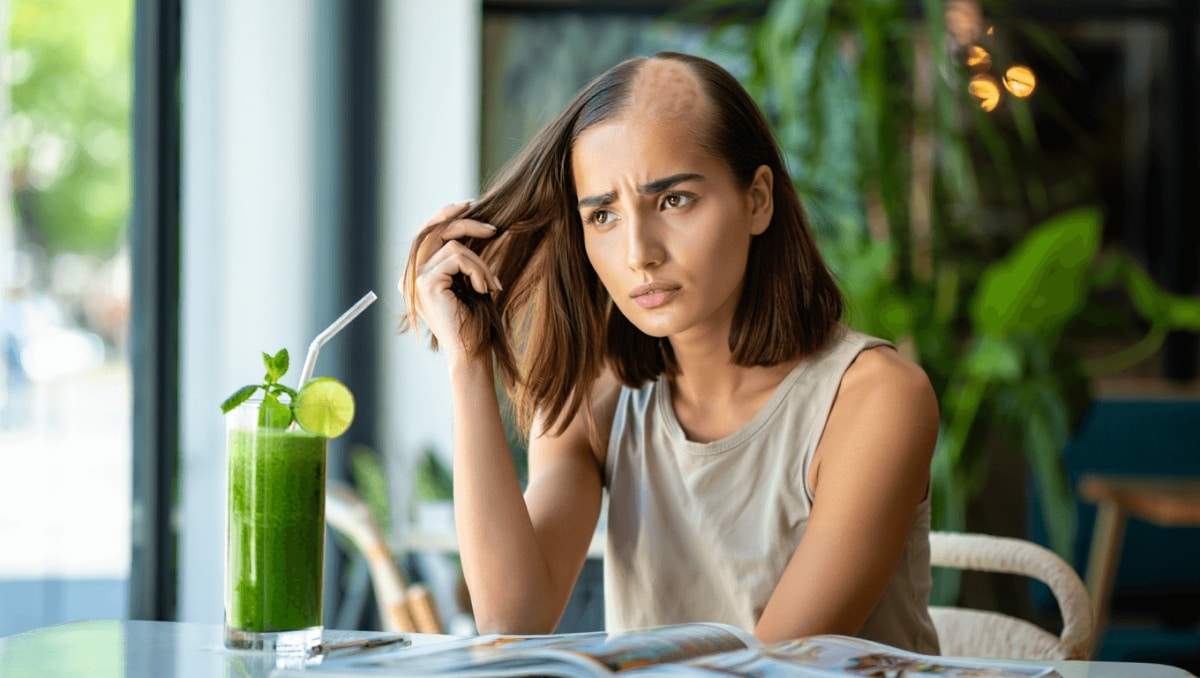
Women across social platforms are sounding alarms about a trendy green drink after reporting sudden hair thinning. The beverage, long celebrated by wellness circles, is now under scrutiny as users wonder whether their daily cup could be harming their hair.
Why matcha is being linked to unexpected hair shedding
Recent posts show a pattern: people increase their matcha intake and then notice more hair in the shower or on their brush. Experts say the drink itself is unlikely to directly dissolve hair. Instead, they point to several biochemical effects that can indirectly trigger shedding.
Eggs every day for months: simple check reveals shocking blood test result
Popular childhood food ingredient may raise adult anxiety: study
- Tannins in the powder may interfere with nutrient absorption.
- Caffeine can alter stress hormones when consumed in very large amounts.
- Concentrated extracts pose different risks than a cup made from whole leaf powder.
How matcha’s ingredients can affect iron and hormones
Matcha is more than just green tea leaves ground fine. It delivers a higher dose of plant compounds than brewed tea. Two of these compounds are the main suspects when hair loss follows heavier consumption.
Tannins and iron uptake
Tannins are natural antioxidants. They can also bind to iron in the gut. That binding reduces how much iron your body can absorb from food. Over time, this can lower iron stores. Low iron is a well-known cause of thinning and shedding.
Caffeine, stress hormones, and shedding
Matcha contains more caffeine than many brewed green teas. Large daily amounts can raise cortisol and related stress hormones. In sensitive people, that hormonal shift can prompt a temporary shedding phase.
Who is most at risk from heavy matcha habits
Not everyone who drinks matcha will lose hair. But certain groups should be cautious and monitor their health closely.
- People with low iron or diagnosed anemia.
- Those with heavy menstrual bleeding.
- Individuals with gastrointestinal disorders that impair nutrient absorption.
- Strict vegetarians and vegans who do not supplement or carefully plan iron intake.
- Consumers of concentrated green-tea extract supplements.
Guidance on safe matcha consumption and testing
Dietitians recommend moderation and simple lab checks if you notice more shedding after drinking matcha.
- Moderate servings: One to two standard servings a day is unlikely to cause problems for most people.
- Check your iron: Ask a clinician for ferritin and hemoglobin tests rather than guessing the cause.
- Avoid high-dose supplements: Extracts carry more concentrated active compounds and higher risk.
Practical habits to protect hair while enjoying matcha
Small changes can reduce the chance that matcha will interfere with your iron levels or trigger shedding.
- Do not drink matcha right before, during, or immediately after meals high in plant-based iron.
- If your iron comes from animal sources, timing matters less.
- Pair iron-rich plant foods with vitamin C sources to boost absorption.
- Limit total daily caffeine if you notice anxiety, palpitations, or sleep loss.
Examples of smart pairings
- Spinach with orange slices or lemon dressing.
- Tofu bowl with bell peppers or strawberries.
- White beans and a citrus salad.
Other matcha side effects to watch for
Beyond hair concerns, matcha can cause other problems in sensitive people.
- Gastrointestinal upset, such as nausea or indigestion, often tied to tannins.
- Caffeine-related effects: insomnia, jitteriness, palpitations, anxiety, and blood pressure increases.
- Rare liver enzyme elevations from heavy intake of concentrated green-tea extracts.
Symptoms of liver strain include jaundice, persistent nausea, and abdominal pain. These cases are uncommon and usually linked to supplements rather than the powdered tea.
Why many still consider matcha a healthful choice
Matcha remains popular for good reasons. You consume the whole leaf, which concentrates several beneficial compounds.
- L-theanine supports calm alertness and pairs well with caffeine.
- EGCG is a powerful antioxidant linked to reduced inflammation and lower chronic disease risk.
- Studies suggest matcha may improve insulin sensitivity and support modest weight loss.
Its balance of mental focus and steady energy makes matcha appealing to people who want an alternative to coffee.
Steps to take if you suspect matcha is affecting your hair
- Pause heavy matcha consumption for a few weeks to see if shedding improves.
- Get blood tests to check iron status, thyroid function, and other common causes of hair loss.
- Discuss supplement use with a healthcare provider before starting or stopping high-dose extracts.
- Consider lifestyle factors such as stress, sleep, and medications that also impact hair health.










