
Show summary Hide summary
- Why BeanTok caught fire and what it promises for gut health
- When a healthy food becomes a digestive problem
- Why people with IBS are at greater risk
- How to add beans to meals without upsetting your gut
- Canned vs dried beans: why the water matters
- Tools and strategies to reduce gas and bloating
- Build a better gut microbiome to improve bean tolerance
- Signs you should slow down or seek help
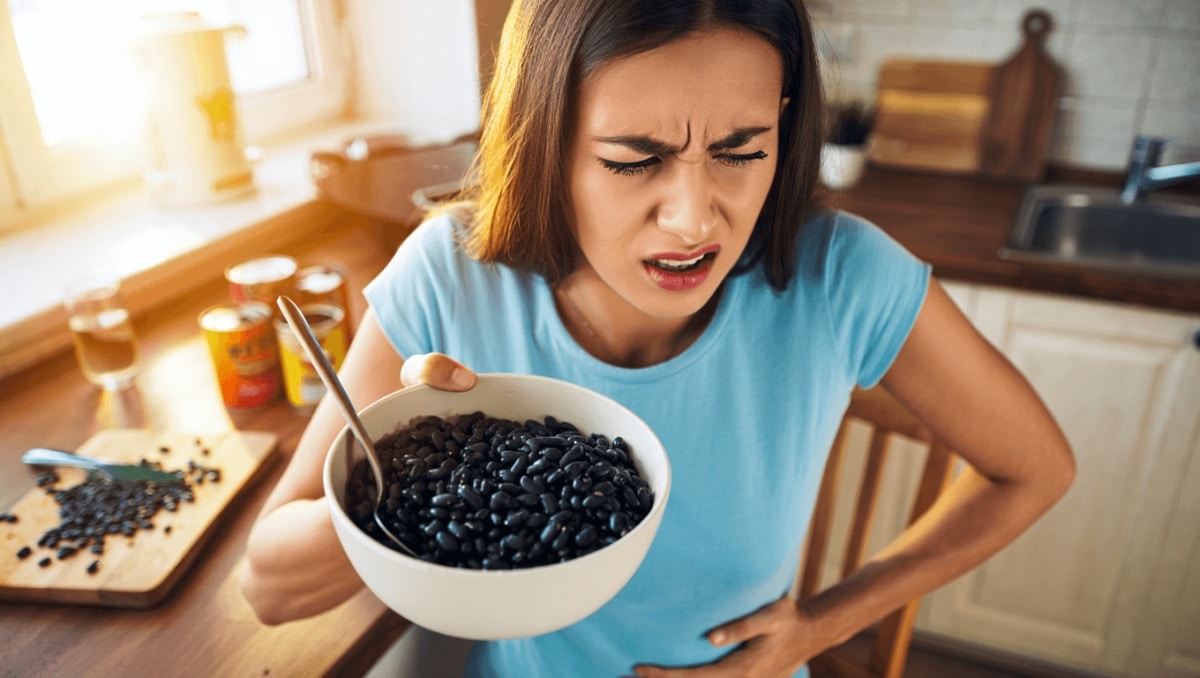
A viral trend is pushing people to spoon up beans by the bowlful for a healthier gut. Nutrition experts say beans are beneficial, but suddenly eating two cups a day can spark uncomfortable digestive reactions for many—especially those with sensitive stomachs.
Why BeanTok caught fire and what it promises for gut health
#BeanTok has surged across social platforms with creators recommending two cups of beans daily. The appeal is clear: beans are cheap, versatile, and rich in nutrients linked to digestive wellness.
Eggs every day for months: simple check reveals shocking blood test result
Popular childhood food ingredient may raise adult anxiety: study
- High fiber: Beans deliver substantial soluble and insoluble fiber.
- Prebiotic effects: Certain bean fibers feed beneficial gut bacteria.
- Plant protein and micronutrients: They support overall diet quality.
When a healthy food becomes a digestive problem
Eating more fiber is usually positive. But a dramatic jump in intake can overwhelm the digestive system.
Registered dietitian Kirsten Jackson warns that the average fiber intake in the US is about 10 grams per day. Two cups of cooked beans can add roughly 25 grams of fiber at once. That is a steep rise for most people.
Common symptoms from a sudden fiber surge
- Gas and flatulence
- Bloating and abdominal discomfort
- Cramping and loose stools
Why people with IBS are at greater risk
Irritable bowel syndrome, or IBS, affects many adults and changes how the gut handles certain carbs. Beans contain a group of carbohydrates that can be hard to break down.
These carbs, known as FODMAPs, can pass undigested into the large intestine. There, bacteria ferment them and produce gas and other byproducts. For people with IBS, that fermentation often leads to pain, bloating, and altered stools.
Other high-FODMAP foods to watch
- Apples and cherries
- Garlic and onions
- Artichokes
- Dairy foods such as yogurt and ice cream
- Wheat-based breads and cereals
How to add beans to meals without upsetting your gut
Rather than diving into two cups a day, experts recommend a gradual approach. Small and steady increases give the gut time to adapt.
- Start with a teaspoon to a few tablespoons per meal.
- Try different bean types to find what your body tolerates best.
- Space servings across the week instead of one large daily dose.
Portion examples for a cautious start
- About 18 grams of baked beans can be a reasonable initial serving.
- Approximately 17 grams of kidney beans is another gentle starting point.
Canned vs dried beans: why the water matters
How beans are prepared changes their FODMAP load. Soaking and canning can reduce the concentration of fermentable carbs.
Jackson explains that FODMAPs leach into soaking or canning liquid. Discarding that liquid lowers the fermentable content and often improves tolerance.
For example, you might remain in a low-FODMAP range with about 86 grams of canned kidney beans, whereas just 14 grams of boiled dried kidney beans could exceed that threshold.
Tools and strategies to reduce gas and bloating
There are practical measures to help your body handle beans.
- Enzyme supplements: Alpha-galactosidase breaks down hard-to-digest bean carbs before they reach the colon.
- Rinse canned beans: Removes some of the FODMAP-rich liquid.
- Combine with low-FODMAP foods: Pair beans with tolerated vegetables and grains.
Build a better gut microbiome to improve bean tolerance
If beans consistently cause strong symptoms, it could signal an imbalance in your gut microbiota. Lifestyle choices shape that microbial community.
- Prioritize quality sleep to support digestion.
- Maintain regular physical activity to aid gut motility.
- Manage stress—mental state affects gut sensitivity.
- Eat a diverse, plant-rich diet to encourage microbial variety.
Signs you should slow down or seek help
If symptoms persist or worsen after slow reintroduction, consult a healthcare professional or a registered dietitian. They can help tailor a plan and test for conditions like IBS or other intolerances.










