
Show summary Hide summary
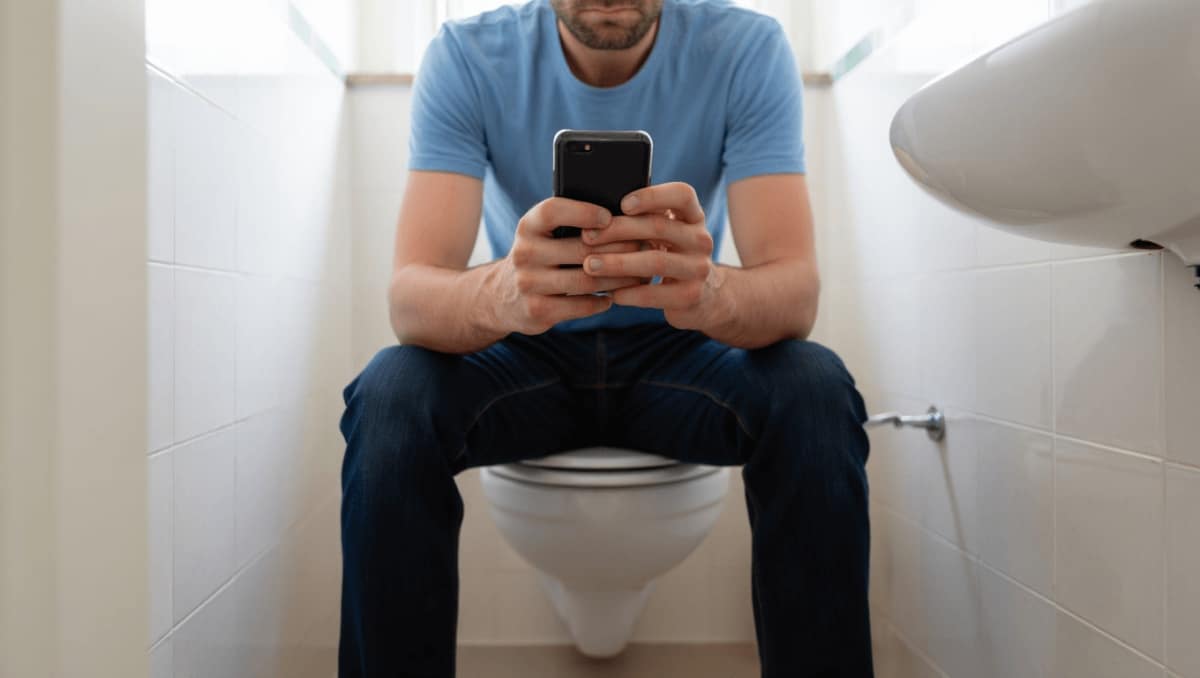
Scrolling through social media while sitting on the toilet may feel like harmless multitasking, but health experts warn it can increase your chance of developing hemorrhoids. That casual habit lengthens time on the seat, encourages straining and alters posture — a combination that stresses the rectal veins.
Why phone use in the bathroom can lead to hemorrhoids
When you linger on the toilet, blood pools in the rectal area. Straining to push makes pressure spike. Over time, veins can swell or bulge, forming hemorrhoids.
Eggs every day for months: simple check reveals shocking blood test result
Popular childhood food ingredient may raise adult anxiety: study
The mechanics in everyday terms
- Sitting for long periods raises pressure in the pelvic veins.
- Distraction from a phone encourages extended sitting.
- Straining during bowel movements worsens vein stress.
- Poor posture — slouched or unsupported — adds pressure.
Even a few extra minutes per visit can make a difference if the behavior is repeated daily.
Signs that your bathroom habit is causing trouble
- Itching or irritation around the anus.
- Pain or discomfort during and after bowel movements.
- Bright red bleeding on toilet paper or in the bowl.
- A lump near the anus, which may be sensitive or painful.
- Feeling of incomplete bowel emptying or persistent soreness.
Practical steps to protect yourself from hemorrhoids
Small changes to your routine can reduce risk. Adopt habits that minimize time on the toilet and lower strain.
- Set a timer: Limit bathroom sessions to five minutes.
- Avoid using your phone while on the toilet.
- Do not force bowel movements; go when the urge appears.
- Keep feet supported with a low stool to mimic a squatting position.
- Increase dietary fiber gradually to soften stools.
- Drink plenty of water throughout the day.
- Exercise regularly to promote healthy bowel function.
- Use gentle wipes and avoid harsh wiping that irritates skin.
Home remedies and over-the-counter relief
Early-stage hemorrhoids often respond well to conservative care.
- Sitz baths with warm water for 10–15 minutes several times daily.
- Topical creams and suppositories to reduce inflammation.
- Cold packs to relieve swelling and pain.
- Pain relievers for short-term discomfort.
These measures ease symptoms but do not replace medical evaluation if bleeding or persistent pain occurs.
When to seek medical attention and treatment options
See a clinician if you notice heavy bleeding, severe pain, or a protruding lump that won’t retract.
- Doctors can diagnose hemorrhoids with a simple exam.
- Rubber band ligation and sclerotherapy are common office procedures.
- Infrared coagulation treats bleeding hemorrhoids with minimal downtime.
- In severe cases, surgical removal may be considered.
Prompt treatment lowers complications and speeds recovery.
How to break the bathroom-phone habit for good
- Keep your phone outside the bathroom or on Do Not Disturb.
- Replace scrolling with deep breathing to encourage relaxation.
- Create a quick pre-bathroom routine to avoid multitasking there.
- Track progress: shorter visits reduce irritation and lower risk.










