
Show summary Hide summary
- How to brew a potent elderflower tea at home
- How much to drink and how to store your supply
- Top health benefits of elderflower infusion for winter ailments
- Recognizing Sambucus nigra: where it grows and how to identify it
- How to avoid confusing toxic lookalikes
- Ways to use elderflower beyond tea: recipes and remedies
- Safety notes, who should avoid elderflower tea, and interactions
- A short cultural history of the elder and its symbolic role
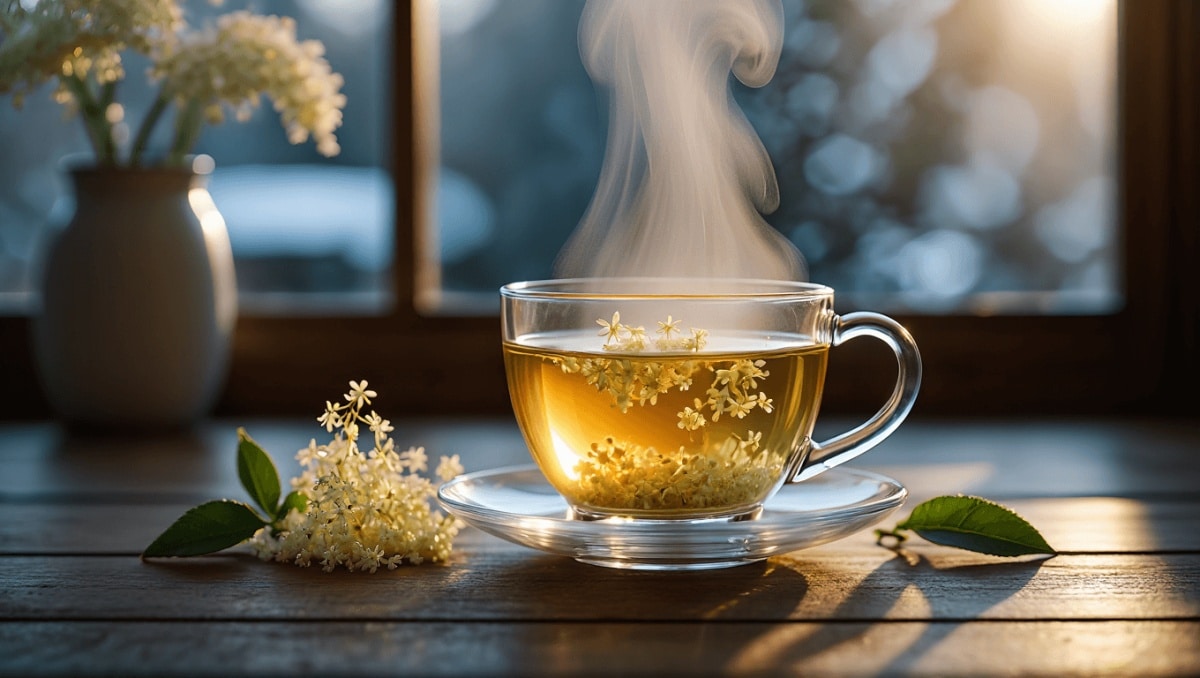
When winter coughs and chills arrive, many turn to a steaming cup of elderflower tea. This aromatic infusion, made from the delicate blooms of Sambucus nigra, has a long folk and scientific tradition for easing colds and supporting breathing. Read on for an easy recipe, evidence-based benefits, safe use tips, and creative ways to use elderflower around the home.
How to brew a potent elderflower tea at home
Ingredients you’ll need
Eggs every day for months: simple check reveals shocking blood test result
Popular childhood food ingredient may raise adult anxiety: study
- 1 tablespoon dried elderflowers (about 2–5 g) or 2 fresh flower corymbs
- 250 ml fresh water
- Optional: honey, lemon slice, or fresh ginger for taste and extra support
Tip: Choose organic whole flowers when possible. Intact petals retain more aroma and active compounds than crushed products.
Step-by-step brewing method
- Bring water to a rolling boil.
- Put the dried or fresh elderflowers into a teacup or teapot.
- Pour the boiling water over the flowers.
- Cover and steep for 10 minutes to extract flavonoids, triterpenes and mucilage.
- Strain into a cup and add honey, lemon or grated ginger if desired.
Serving idea: Drink warm to soothe the throat and help loosen mucus.
How much to drink and how to store your supply
- Recommended intake: Up to 3 cups per day for cold or flu episodes, spaced morning, midday and evening.
- Use for short courses only: limit use to 5–7 days unless advised otherwise by a clinician.
- For stronger support during severe flu symptoms, the dried flower dose may be increased up to 10 g per cup under guidance.
Storage rules
- Keep dried flowers in an airtight jar away from light and moisture.
- Maximum shelf life: 12 months to preserve aroma and potency.
- Prepared tea is best drunk within an hour. Refrigerate in a closed container up to 24 hours if needed.
Top health benefits of elderflower infusion for winter ailments
Elderflower tea contains a mix of active molecules that explain its traditional use. Modern studies and herbal pharmacopeias support many of these effects.
1) Supports respiratory infections and soothes airways
- Antiviral and expectorant effects: helps relieve congestion, cough and nasal discharge.
- May shorten the duration of flu symptoms and ease body aches and fever.
- Useful for sore throat, pharyngitis and bronchial irritation.
2) Anti-inflammatory action and fever relief
- Contains triterpenes and flavonoids with anti-inflammatory properties.
- Promotes perspiration, which can assist the body in lowering fever naturally.
- Antioxidants reduce oxidative stress and support immune resilience.
3) Mild diuretic and detox support
- Stimulates renal elimination and can reduce water retention.
- May ease joint discomfort related to fluid build-up.
- Often used in seasonal detox and drainage routines.
4) Immune system modulation
- Anthocyanins and proteins in the flowers help modulate innate immunity.
- Regular seasonal use may reduce vulnerability to winter viruses.
5) Relief for seasonal allergies
- Exhibits mild antihistamine-like activity that reduces sneezing and watery eyes.
- Can be an alternative for mild to moderate hay fever symptoms.
Note: The European Medicines Agency acknowledges the use of elderflower for respiratory symptom relief, reflecting both tradition and clinical data.
Recognizing Sambucus nigra: where it grows and how to identify it
Natural habitat
- Sambucus nigra is native to central Europe and thrives in hedgerows, woodland edges and riverbanks.
- It prefers cool, fresh soils and often appears in uncultivated plots.
Key physical features
- Woody shrub or small tree reaching 4–6 meters.
- Leaves with 5–7 opposite leaflets, each toothed along the edge.
- White to cream flowers form large flat clusters (corymbs) in late spring.
- Later in summer, berries turn from green to dark purple-black when ripe.
How to avoid confusing toxic lookalikes
Some plants resemble true elder. Mistakes can be dangerous, so verify the species before harvesting.
How to tell Sambucus nigra from Sambucus ebulus (toxic)
- Sambucus nigra: woody shrub, 4–6 m tall, blooms in May–June, drooping clusters, 5–7 leaflets.
- Sambucus ebulus (dwarf elder): herbaceous, 1–2 m tall, blooms July–August, upright berry clusters, 7–11 leaflets, unpleasant leaf odor.
Warning: Sambucus ebulus contains toxins that can cause vomiting, severe diarrhea and neurological problems. Do not harvest unless you are certain.
Safe alternative: Buy dried elderflowers from reputable herbalists or certified organic suppliers when in doubt.
Ways to use elderflower beyond tea: recipes and remedies
Homemade elderflower syrup
- Bring 500 ml water and 300 g sugar to a simmer.
- Add 4 fresh flower umbels or 2 tbsp dried flowers and infuse 2 hours covered.
- Strain, boil 5 minutes, bottle and keep chilled.
- Take 1 tablespoon 2–3 times daily to soothe coughs and sore throats.
Inhalation for blocked sinuses
- Boil water and add 1 tablespoon dried flowers.
- Let sit briefly, then inhale steam under a towel for 10 minutes.
- Useful to relieve sinus pressure and congestion.
External uses: compresses and baths
- Make a concentrated infusion (2 tbsp per 250 ml) and soak clean compresses.
- Apply to bruises, mild burns, irritated skin or tired eyes.
- The liquid can also be added to baths for a soothing, emollient effect.
Culinary applications
- Elderflower flavors desserts, jellies, syrups and beverages like homemade lemonade or elderflower cordial.
- Fresh flowers can be dipped in batter and fried as fritters in some regional cuisines.
Safety notes, who should avoid elderflower tea, and interactions
Although gentle for many people, elderflower is not risk-free. Follow these precautions.
People who should avoid regular use
- Pregnant or breastfeeding women: insufficient safety data.
- Children under 12: recommended to avoid routine use unless directed.
- People with diabetes: elderflower can affect blood sugar and insulin.
- Those with Parkinson’s disease: may interfere with dopamine pathways.
- Patients on diuretics or immunosuppressants: additive effects are possible.
Possible side effects
- At typical doses, adverse effects are uncommon.
- Overuse may cause mild digestive upset and increased sweating.
Drug interactions and duration of use
- Elderflower may potentiate diuretic, anti-inflammatory or antidiabetic drugs.
- Do not use continuously for more than one week without medical advice.
- If fever persists beyond 48 hours or symptoms worsen, seek medical attention.
A short cultural history of the elder and its symbolic role
Elder has featured in human tradition for millennia. Archaeological and textual records suggest its use since ancient times.
Folk beliefs and ritual uses
In Celtic and northern European lore, the elder tree carried strong symbolic value. It was linked to cycles of death and rebirth and used in ritual objects. The Latin and Greek names reflect a tradition of crafting small flutes from its soft pith.
From ancient remedies to modern herbal medicine
Greeks and Romans prized elder for urinary and circulatory issues. Over centuries, its use evolved into documented herbal practice. Today, elderflower enjoys both culinary and certified medicinal roles in many countries.










