
Show summary Hide summary
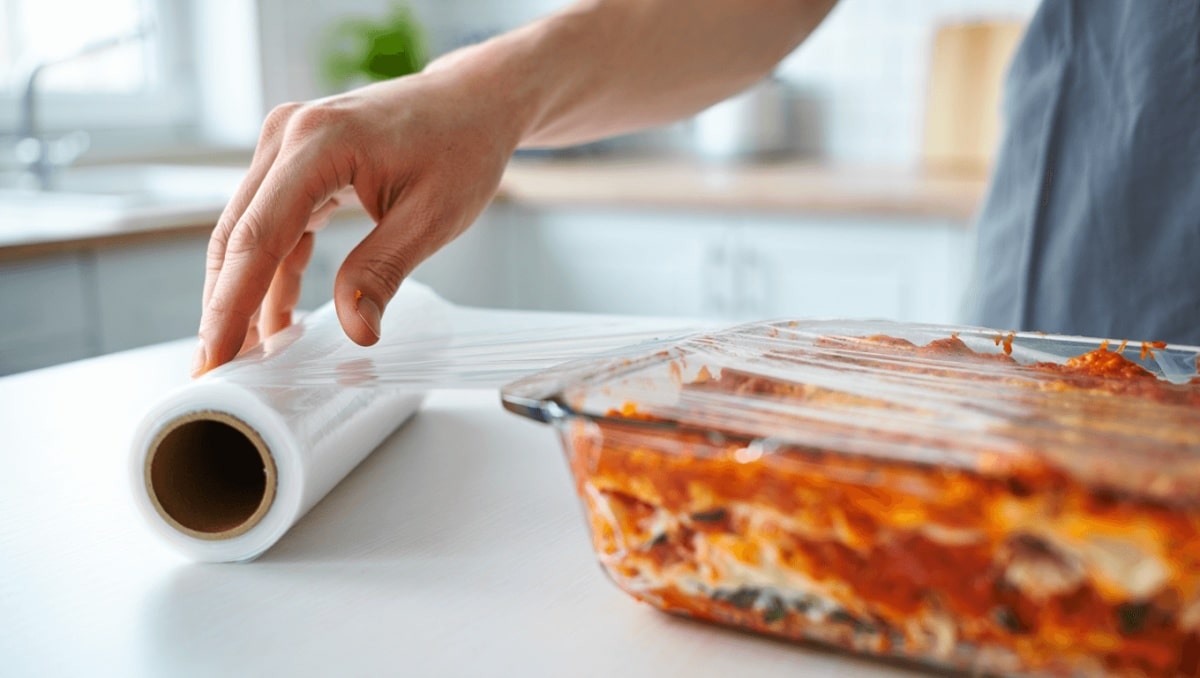
You likely reach for the clear roll of plastic wrap without thinking. Leftover lasagna, a wedge of cheese or a saucy casserole — a few quick pulls of film and the job seems done. But that familiar convenience may be delivering an invisible dose of chemicals into your food.
Why everyday plastic wrap can be more than just convenient
What looks like harmless cling film is often made from materials that need chemicals to stay flexible and sticky. One common ingredient is PVC, or polyvinyl chloride. To make PVC pliable, manufacturers add plasticizers.
Eggs every day for months: simple check reveals shocking blood test result
Popular childhood food ingredient may raise adult anxiety: study
Those additives are not always benign. Phthalates, a widely used family of plasticizers, have been flagged as endocrine disruptors. They can interfere with hormones even at low levels.
How contact with food triggers contamination
The risk is not the same for every meal. Fatty and oily foods are the main problem. Fat acts like a solvent and can pull chemicals out of the plastic.
- High-fat sauces and gravies
- Cheeses and creamy dishes
- Oily dressings and marinades
- Meals heated or still warm when wrapped
Think of the plastic as a sponge and the food as a liquid. The fat soaks up molecules from the film. The transfer is invisible and odorless, but it is chemical migration all the same.
What manufacturers sometimes hide in fine print
Boxes of plastic wrap often carry tiny warnings. Some labels say the film is not suitable for use with fatty foods. Those words are rarely noticed at the grocery checkout.
Manufacturers know about limitations and include caveats. Yet consumers treat cling film as a universal storage tool. That mismatch creates repeated exposure over time.
What experts are saying about the risk
Microbiologists and hygiene specialists have begun to speak out. One noted expert called routine use of plastic wrap on fatty leftovers a practice to avoid. In interviews, he urged people to rethink habits learned from convenience culture.
His point: regulation and labeling vary by country. A product sold for food contact may still leach additives under certain conditions. Consumers should not assume “food safe” equals risk-free in every context.
Smart swaps: safer ways to store and reheat food
There are simple alternatives that cut exposure and often reduce waste. Glass tops the list for safety and durability.
- Glass containers: Oven- and microwave-safe, inert, easy to clean, and recyclable.
- Silicone lids and wraps: Reusable and heat resistant. Good for bowls and plates.
- Beeswax wraps: A compostable option for dry or cool foods. Not suited to hot liquids.
- Aluminum foil: Acceptable for short-term covering, but avoid direct contact with acidic or very salty foods and never use when heating unless advised safe.
- Stainless steel or ceramic containers: Great for storing and transporting food without plastics.
Each option has trade-offs. Glass is heavier but safest for fatty foods. Beeswax is eco-friendly but not ideal for soups. Choose by use case.
Practical habits to reduce exposure right now
- Let hot or warm food cool before covering.
- Avoid wrapping oily or saucy meals in plastic film.
- Do not microwave food covered with plastic wrap unless the product explicitly permits it.
- Inspect packaging for small warnings about suitability with fatty foods.
- Prioritize reusable containers to cut both chemical risk and plastic waste.
Small daily choices add up. Swapping a few plastic-covered meals for glass-stored leftovers lowers repeated exposure to migrating additives.
How to prioritize health and convenience together
You do not need to sacrifice convenience to be safer. Keep a set of glass storage dishes in the kitchen. Use microwave-safe lids or silicone covers. For on-the-go lunches, choose stainless steel boxes with tight seals.
Over time, these swaps also reduce the number of single-use plastic rolls you buy. That helps the planet while cutting potential health risks.










