
Show summary Hide summary
- Why turkey can be a healthy holiday choice
- Flavor your bird without adding excess calories
- Brining: flavor and juiciness, with trade-offs
- Cooking methods that keep the bird lighter and tastier
- Methods to avoid if you want a healthier meal
- How much turkey to serve and which parts to choose
- Practical plate strategies for a balanced Thanksgiving
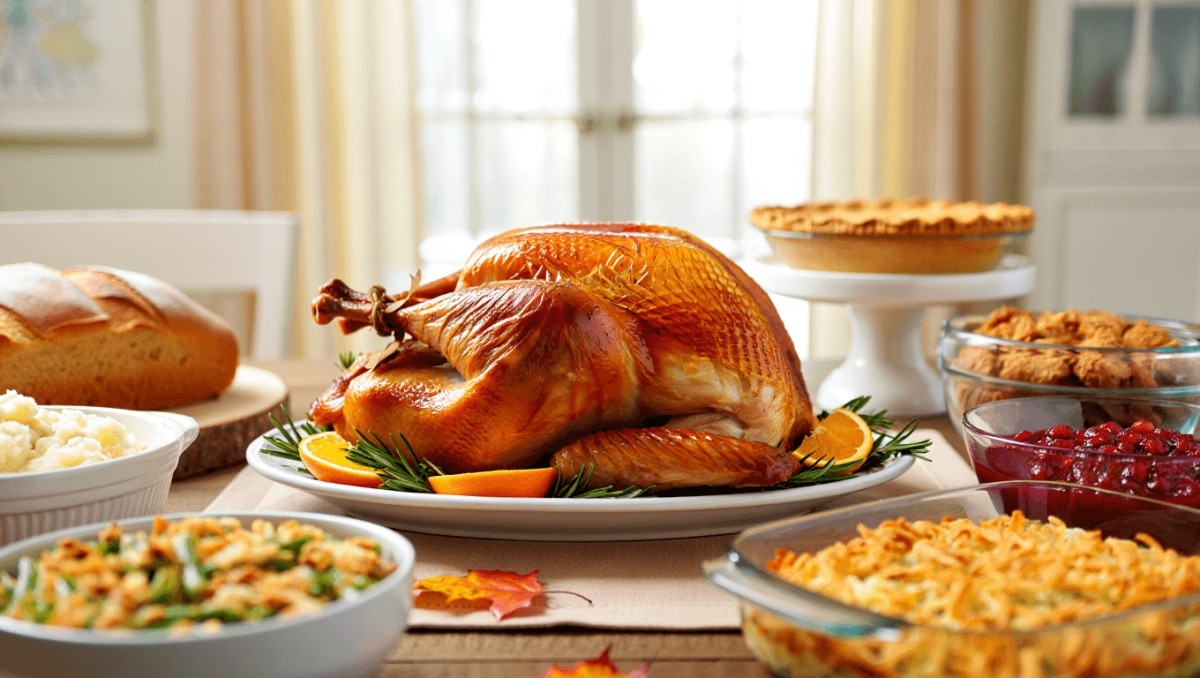
Thanksgiving tables across the United States will groan under the weight of roasted birds, sides and pie. With more than 46 million turkeys consumed on the holiday, many diners wonder how to make the classic centerpiece both flavorful and nutritious. Nutrition experts say small choices — from seasoning to cooking method — can make a big difference.
Why turkey can be a healthy holiday choice
Registered dietitian nutritionist Stephanie Schiff of Northwell Huntington Hospital notes turkey is a strong source of lean protein. It supplies B vitamins, essential amino acids, and relatively little saturated fat compared with many red meats.
Eggs every day for months: simple check reveals shocking blood test result
Popular childhood food ingredient may raise adult anxiety: study
Turkey is not the culprit behind the post-meal slump. Although turkey contains tryptophan, the amount alone won’t make you sleepy. Heavy carbs and rich sides are the usual cause.
Flavor your bird without adding excess calories
Good flavor does not require butter and buckets of salt. Fresh herbs and aromatics boost taste and reduce the need for added sodium.
- Tuck sage, rosemary and thyme under the skin to infuse meat with aroma.
- Fill the cavity with onions and garlic to deepen flavor naturally.
- Brush the skin lightly with heart-healthy olive oil instead of butter to crisp without excess saturated fat.
Herbs add antioxidants and subtle nutrients while helping you cut back on salt.
Brining: flavor and juiciness, with trade-offs
Soaking turkey in a saltwater solution is a popular trick to lock in moisture and taste. But brining comes with nutritional costs you should consider.
- Brines are typically high in sodium, which can matter for people managing blood pressure.
- Many recipes include sugar to aid browning; that adds simple carbs.
- Some commercial brines may contain preservatives like sodium nitrate.
If sodium is a concern, try a shorter brine, a reduced-salt mix, or a dry brine using minimal salt and plenty of herbs.
Cooking methods that keep the bird lighter and tastier
How you cook the turkey changes both flavor and nutrition. Several methods preserve taste while minimizing added fat.
Oven roasting
Roasting remains a reliable choice. Lightly rub olive oil on the skin and place low-sodium broth, onions, celery and carrots in the pan to baste and flavor without excess fat.
Grilling
Grilling lets fat drip away from the meat, reducing calorie load. Keep heat steady and avoid charring to limit the formation of unwanted compounds.
Air-frying
For smaller pieces, air-frying yields crisp skin with far less oil. It’s ideal for turkey breast or selective portions.
- Choose low-sodium broths and minimal added fats.
- Rotate pieces for even cooking.
- Avoid blackened or heavily charred areas.
Methods to avoid if you want a healthier meal
Deep-frying raises both calories and safety risks. The process generally requires large volumes of oil, often seed-based, which may be less heart-healthy. High heat can also produce acrylamides and other undesirable compounds.
Beyond nutrition, deep-frying a whole bird carries burn and fire hazards. If you crave the flavor, consider small, well-controlled alternatives instead.
How much turkey to serve and which parts to choose
Portion control helps you enjoy tradition without overdoing it. A standard serving of cooked protein is about 3 ounces — roughly the size of your palm.
- White meat tends to be lower in fat per ounce.
- Dark meat contains more fat but is rich in B vitamins and minerals.
- Most of the fat concentrates in the skin; removing it cuts calories.
Pick the cuts you enjoy. If calories worry you, opt for smaller portions and pair meat with vegetables and salads.
Practical plate strategies for a balanced Thanksgiving
Simple swaps and smart plating let you savor favorites while keeping nutrition in check.
- Start with a salad or a heap of vegetables to take the edge off hunger.
- Use smaller plates to naturally limit portions.
- Fill half your plate with colorful vegetables, a quarter with turkey, and a quarter with sides.
- Choose gravies and sauces made with low-sodium broth and modest fats.
Enjoying traditional dishes in smaller amounts is a valid way to stay healthy and still celebrate.










