
Show summary Hide summary
- What recent evidence says about lean beef and heart health
- How lean beef differs from processed red meat
- Nutrients in lean beef that affect cardiovascular risk
- Why dietary patterns matter more than single foods
- Design and limits of the studies behind the headlines
- How to include lean beef smartly in a heart-healthy diet
- Cooking and shopping tips to reduce cardiovascular impact
- Who should be cautious with red meat intake
- Practical takeaway for readers scanning headlines
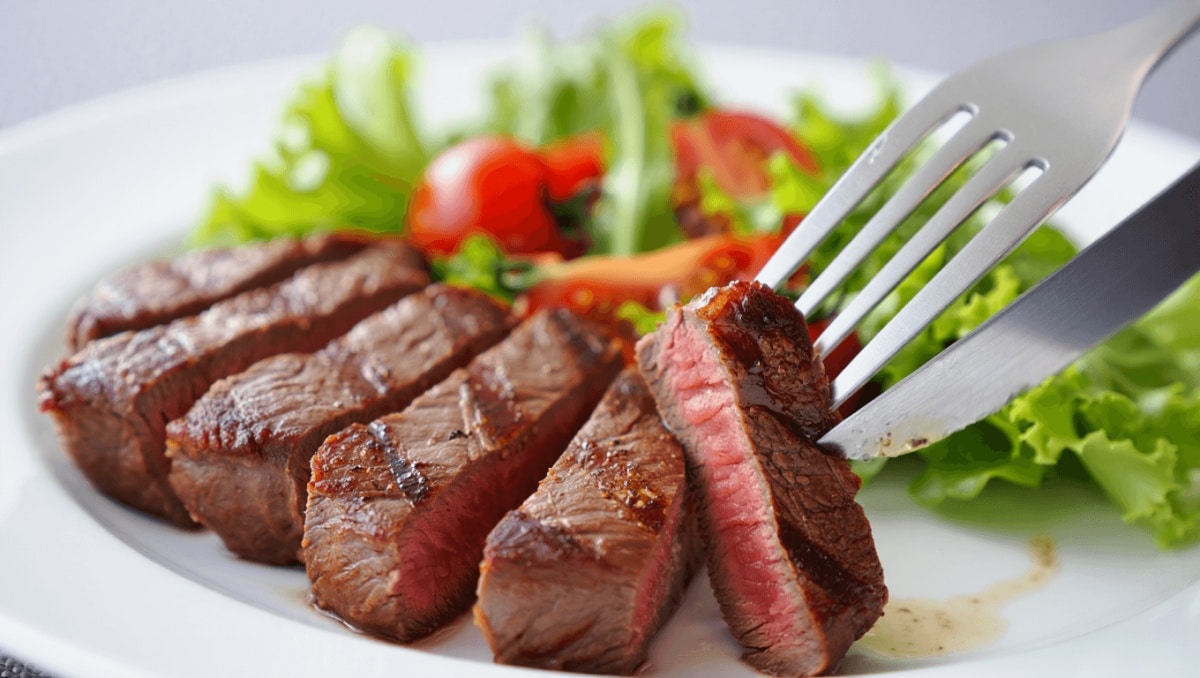
New analyses suggest that eating lean cuts of beef in the context of a varied diet may not raise the risk of heart disease for most people. That finding challenges long-held beliefs about red meat and heart health, and pushes nutrition conversations toward the bigger picture: overall diet quality, portion control, and food processing.
What recent evidence says about lean beef and heart health
Several observational and clinical studies have examined how different types of meat affect cardiovascular disease. When researchers separated processed meats from fresh, lean red meat, the link to heart disease often weakened. Lean, unprocessed beef eaten in moderation is increasingly viewed as different from processed meats.
Eggs every day for months: simple check reveals shocking blood test result
Popular childhood food ingredient may raise adult anxiety: study
Key points from the research:
- Studies that lump all red meats together may overstate risk.
- Processed products—hot dogs, bacon, and sausages—show stronger links to cardiovascular risk factors.
- Context matters: diets rich in vegetables, whole grains, and healthy fats change outcomes.
How lean beef differs from processed red meat
Not all meats are created equal. Processing adds sodium, preservatives, and saturated fats that can worsen heart risk. Lean beef, in contrast, typically has less fat and fewer additives.
Characteristics of processed meat
- High sodium and nitrites.
- Often higher in saturated fats due to added ingredients.
- Linked more consistently to inflammation and vascular damage.
Characteristics of lean beef
- Lower overall fat content per serving.
- Fewer added chemicals when fresh or minimally processed.
- Provides protein and micronutrients important for health.
Nutrients in lean beef that affect cardiovascular risk
Lean beef supplies several nutrients that support body function. At the same time, certain components can influence cholesterol and blood pressure if consumed in excess.
- Protein: High-quality and satiating. Helps maintain muscle and metabolic health.
- Iron and zinc: Bioavailable minerals important for oxygen transport and immunity.
- B vitamins: Especially B12, essential for nerve and blood health.
- Saturated fat: Present in variable amounts. Choosing lean cuts reduces intake.
Why dietary patterns matter more than single foods
Nutrition science increasingly emphasizes patterns. The Mediterranean and DASH diets, both associated with lower cardiovascular risk, include modest amounts of lean animal protein alongside vegetables and whole grains.
One serving of lean beef within a vegetable-rich plate is different from the same serving paired with fries and soda. The overall combination shapes metabolic responses and long-term risk.
Design and limits of the studies behind the headlines
Understanding study design helps interpret claims. Many reports rely on observational cohorts that track diets and health outcomes over years. These studies can show associations, not direct cause-and-effect.
Common limitations
- Self-reported food data can be inaccurate.
- Differences in meat type and preparation are hard to capture.
- Confounding lifestyle factors—exercise, smoking, and socioeconomic status—affect results.
How to include lean beef smartly in a heart-healthy diet
For people who enjoy beef, small practical shifts can preserve flavor while protecting heart health.
- Choose cuts labeled “lean” or “extra-lean,” such as sirloin or tenderloin.
- Trim visible fat before cooking.
- Limit portion sizes to about 3–4 ounces per meal.
- Favor grilling, broiling, or roasting over frying.
- Balance the plate: half vegetables, one-quarter whole grains, one-quarter lean protein.
Cooking and shopping tips to reduce cardiovascular impact
- Shop the perimeter of the store for fresh options and avoid shelf-stable processed meats.
- Use herbs, citrus, and spices to add flavor without extra salt.
- Combine small amounts of beef with plant proteins like beans or lentils to stretch servings.
- Monitor sodium in marinades and sauces.
Who should be cautious with red meat intake
Certain groups may need stricter limits. People with existing heart disease, high LDL cholesterol, or uncontrolled blood pressure should work with clinicians to tailor protein choices.
- Follow individualized dietary advice from healthcare professionals.
- Consider plant-forward proteins if advised by your clinician.
- Use lean beef sparingly during periods of heightened risk.
Practical takeaway for readers scanning headlines
Media summaries may sound definitive, but nuanced evidence tells a different story. Eating lean beef as part of a diverse, nutrient-rich diet appears less harmful than once thought. The strongest risks are tied to processed meats, large portions, and diets lacking fruits and vegetables.










