
Show summary Hide summary
- What counts as ultra-processed food and why it matters for health
- How ultra-processed diets raise the risk of type 2 diabetes
- What the evidence shows: studies linking diet and diabetes risk
- Practical steps to cut ultra-processed foods from your diet
- Smart grocery swaps that help control blood sugar
- What to watch for on labels and menus
- Who should be most cautious and when to seek medical advice
- How policy and environments shape food choices
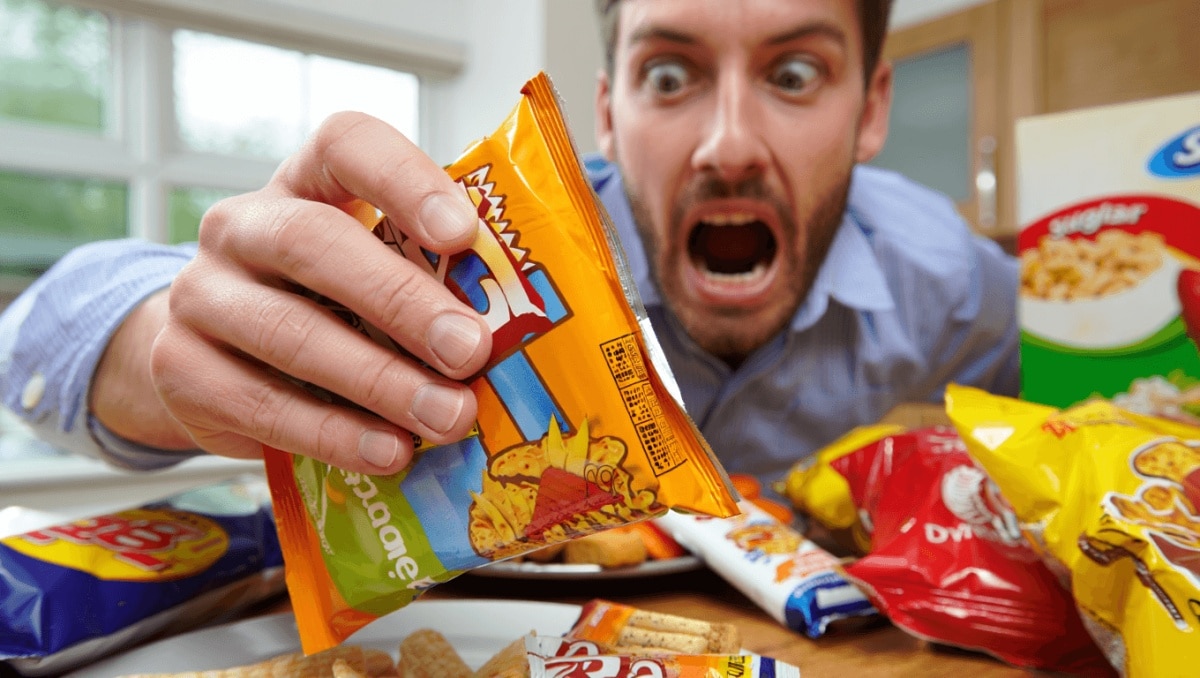
Ultra-processed foods are everywhere — on grocery shelves, in vending machines, and in busy kitchens. Recent research links these convenience foods to rising rates of type 2 diabetes. Understanding what counts as ultra-processed, how it affects blood sugar, and practical ways to change your diet can help lower risk.
What counts as ultra-processed food and why it matters for health
Ultra-processed foods are industrially made items with many added ingredients. Think of flavored snacks, sugary drinks, packaged meals, and some reconstituted meats. They often contain emulsifiers, sweeteners, and artificial flavors. These foods are designed for long shelf life, intense taste, and easy preparation.
Eggs every day for months: simple check reveals shocking blood test result
Popular childhood food ingredient may raise adult anxiety: study
- High in added sugars and refined starches: Raise blood glucose quickly.
- High in salt and unhealthy fats: Linked to metabolic problems.
- Low in fiber and micronutrients: Poor for satiety and long-term health.
How ultra-processed diets raise the risk of type 2 diabetes
Multiple pathways connect ultra-processed foods with diabetes. Some act indirectly through weight gain. Others affect metabolism more directly.
Weight and calorie density
Ultra-processed items often pack calories in small portions. Over time, eating them can lead to excess calorie intake and weight gain. Excess weight is a major risk factor for insulin resistance and type 2 diabetes.
Blood sugar spikes and insulin demand
Foods high in refined carbs and sugars cause rapid glucose rises. This forces the pancreas to produce more insulin. Repeated spikes can stress insulin-producing cells and lead to glucose regulation problems.
Inflammation, additives, and the gut
Certain additives and emulsifiers used in processed foods can alter gut bacteria and promote low-grade inflammation. Chronic inflammation is linked to impaired insulin signaling and higher diabetes risk.
What the evidence shows: studies linking diet and diabetes risk
Large observational studies find that people who eat more ultra-processed foods have a higher chance of developing type 2 diabetes. These associations persist even after accounting for weight and other lifestyle factors.
- Population studies show a consistent, dose-related trend: more ultra-processed food equals higher risk.
- Randomized trials are fewer, but short-term experiments indicate poorer blood sugar control after ultra-processed meals.
- Meta-analyses confirm an association but call for more long-term trials to prove causation.
Practical steps to cut ultra-processed foods from your diet
Reducing these foods can help stabilize blood sugar and lower long-term risk. Small changes add up.
- Replace sugary drinks with water, sparkling water, or unsweetened tea.
- Choose whole foods: fruits, vegetables, whole grains, legumes, nuts, and lean protein.
- Cook more at home using fresh or minimally processed ingredients.
- Read ingredient lists: fewer ingredients, and recognizable ones, are better.
- Limit ready-made sauces and pre-packaged meals high in sodium and additives.
Smart grocery swaps that help control blood sugar
- Swap cereal bars and sweetened cereals for oats or plain yogurt with fruit.
- Replace packaged snacks with whole fruit, raw nuts, or sliced vegetables.
- Choose whole-grain bread over white or highly refined varieties.
- Opt for plain canned beans instead of instant mixes or seasoned cans.
What to watch for on labels and menus
Learning to read labels gives you control. Watch for hidden sugars and unpronounceable additives. Ingredient order matters: items listed first make up most of the product.
- Look for sugar under different names: sucrose, dextrose, maltose, or syrups.
- Avoid products with long ingredient lists full of additives and emulsifiers.
- Check sodium and saturated fat content for processed meats and ready meals.
Who should be most cautious and when to seek medical advice
People with prediabetes, a family history of diabetes, or those with excess weight should be vigilant. Regular screening for blood glucose can detect early changes.
- Ask your clinician about fasting glucose and HbA1c tests if you have risk factors.
- Work with a dietitian for personalized meal plans that reduce ultra-processed food intake.
- Consider structured behavior changes rather than drastic dieting for long-term success.
How policy and environments shape food choices
Access, price, and marketing influence what people buy. Communities with fewer fresh-food options often rely on processed items.
- Public health policies can promote whole foods and limit aggressive marketing of processed snacks.
- Workplace and school meal programs that favor minimally processed choices support better habits.
- Small changes in food environments can yield measurable health benefits at scale.










