
Show summary Hide summary
- How the study was run: crossover trial details that matter
- Key outcomes: weight, insulin and cholesterol
- Plant-based diet scoring: how foods were classified
- What the scores revealed about eating patterns
- Why a higher uPDI didn’t stop weight loss on the vegan plan
- Practical takeaways for people trying to lose weight
- What researchers emphasized about the findings
A new randomized trial challenges the idea that the Mediterranean plate is the best route to shedding pounds. Researchers found a low-fat vegan plan produced larger weight losses and improvements in metabolic markers than a Mediterranean-style diet — even though the vegan menu sometimes included so-called “less healthy” plant foods.
How the study was run: crossover trial details that matter
Sixty-two adults with excess weight were enrolled in a randomized crossover trial. Each person followed one diet for 16 weeks, resumed their usual eating for four weeks, then switched to the other diet for another 16 weeks.
Eggs every day for months: simple check reveals shocking blood test result
Popular childhood food ingredient may raise adult anxiety: study
- No calorie counting: Participants were not asked to limit calories.
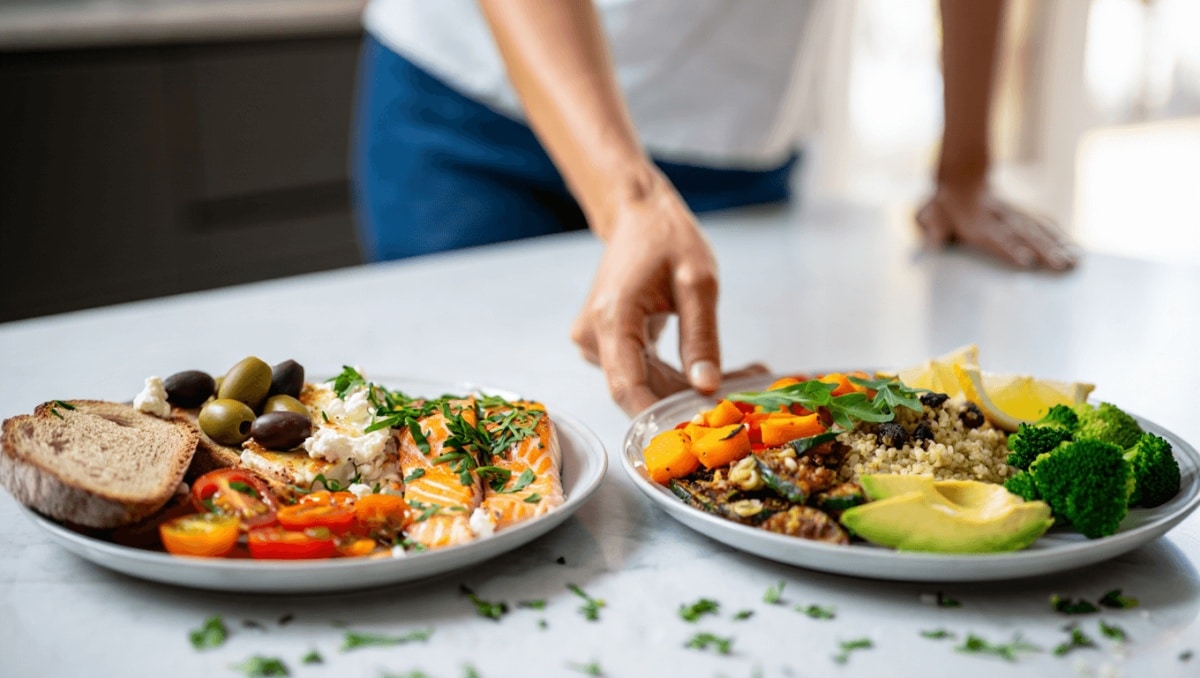
- Mediterranean plan: Emphasized fruits, vegetables, legumes, fish, low-fat dairy and extra-virgin olive oil.
- Low-fat vegan plan: Centered on fruits, vegetables, grains and beans; excluded all animal products.
Key outcomes: weight, insulin and cholesterol
At the end of the intervention periods, the vegan diet produced greater weight loss than the Mediterranean pattern. It also improved insulin sensitivity and lowered cholesterol more than the Mediterranean diet.
Body composition shifted more favorably on the vegan plan, with reductions in fat mass driving the weight changes.
Plant-based diet scoring: how foods were classified
Researchers used a plant-based diet index (PDI) to quantify what participants ate. The metric includes three scores.
- PDI: Overall plant-food intake; higher values mean more plant-based eating.
- hPDI (healthful PDI): Emphasizes nutritious plant foods like whole grains, nuts and vegetables.
- uPDI (unhealthful PDI): Tracks refined grains, sweets, fruit juices and similar items.
Examples of healthful foods in the scoring system include whole grains, legumes, nuts, vegetables, fruit, oils, coffee and tea. The unhealthful group contains refined grains, sugar-sweetened drinks, potatoes, sweets and fruit juice.
What the scores revealed about eating patterns
The vegan phases raised overall PDI scores significantly. The Mediterranean phases did not change overall PDI as much.
Surprisingly, uPDI — the unhealthful plant-food score — went up during the vegan periods. That happened because participants replaced animal products with refined grains and potatoes more than with nuts and oils.
Even so, most people lost more weight on the vegan plan. In contrast, hPDI rose during both diets, but those increases did not predict the amount of weight lost.
Why a higher uPDI didn’t stop weight loss on the vegan plan
Investigators pointed to two likely mechanisms.
- Many plant foods are high in fiber and low in energy density. That means you can eat larger portions that feel filling for fewer calories.
- Certain plant-based meals may stimulate hormones that control appetite and blood sugar, including GLP-1.
Vegetables, legumes and whole grains provide volume and fiber. Low energy density foods help people eat satisfying meals without excess calories. By contrast, nuts and oils are calorie-dense; small portions add many calories.
GLP-1 and appetite regulation
The study noted that some vegan foods can boost the body’s production of glucagon-like peptide-1, or GLP-1. This hormone aids insulin release, slows gastric emptying and increases feelings of fullness.
GLP-1 is the same pathway targeted by drugs like Ozempic and Wegovy, which help manage blood sugar and reduce appetite by prolonging satiety.
Practical takeaways for people trying to lose weight
- Switching from animal products to plant foods may aid weight loss even without strict calorie limits.
- Reducing added oils and limiting high-calorie nuts could help, because they raise energy density.
- Not all plant-based patterns are equal: quality matters, but replacing animal foods appears to be a strong driver of change.
What researchers emphasized about the findings
Authors highlighted that most of the PDI changes reflected elimination of animal products. On the vegan plan people ate fewer energy-dense items like nuts and oils and more refined carbohydrates, which raised uPDI scores.
Still, the overall metabolic benefits — weight loss, better insulin sensitivity and improved cholesterol — were stronger on the vegan regimen.










