
Show summary Hide summary
- Why regulators are focusing on hemp-derived THC
- Which compounds are under scrutiny?
- Potential consequences for CBD availability
- How states may react and the patchwork outcome
- What the legal process looks like
- Practical advice for consumers and retailers
- Economic impact on the hemp industry
- Quality control, testing, and labeling best practices
- Voices in the debate: stakeholders and responses
- How to stay informed as rules evolve
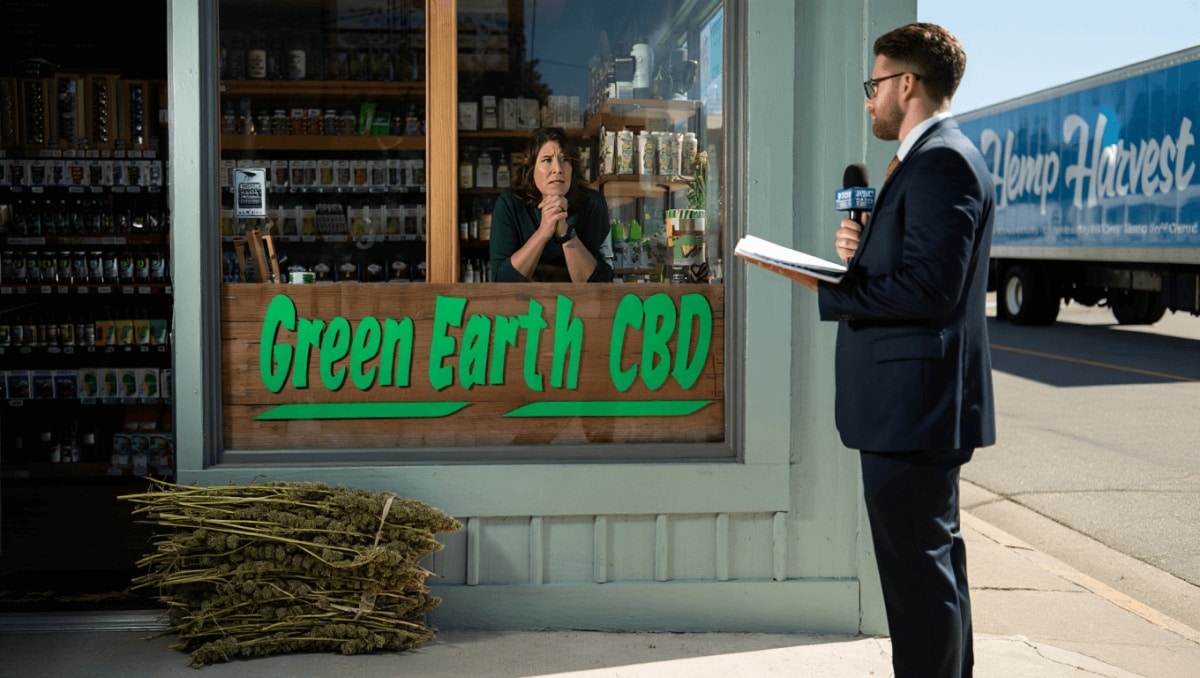
Federal moves to limit hemp-derived THC are raising alarm across the CBD market. Consumers, shops, and farmers face uncertain rules that could narrow product choices and raise prices. This article explains what a federal ban might mean, how states could respond, and practical steps for anyone who buys or sells CBD.
Why regulators are focusing on hemp-derived THC
Hemp and marijuana are both cannabis plants. The 2018 Farm Bill legalized hemp with a limit on delta-9 THC. Since then, manufacturers have made other forms of THC from hemp. Regulators say some of those forms may be unsafe or fall outside the law.
Eggs every day for months: simple check reveals shocking blood test result
Popular childhood food ingredient may raise adult anxiety: study
Policy makers want to close loopholes that allow psychoactive products to be sold without controls. Agencies cite public-health concerns and rising reports of adverse reactions linked to some hemp-derived THC products.
Which compounds are under scrutiny?
Not all cannabinoids are treated the same by lawmakers. The debate typically centers on:
- Delta-9 THC derived from hemp, which is allowed under strict limits.
- Delta-8 THC, a mildly psychoactive compound often synthesized from CBD.
- Synthetically altered cannabinoids that mimic THC effects.
Regulators may treat synthesized or transformed THC as controlled, even if the starting material was hemp.
Potential consequences for CBD availability
If federal rules label certain hemp-derived THC as illegal, CBD could face collateral effects. Many CBD products contain trace amounts of other cannabinoids.
- Retailers could pull products to avoid legal risk.
- Lab testing and compliance costs might rise for producers.
- Smaller brands could be pushed out of the market.
Consumers may see fewer choices and higher prices if manufacturers withdraw items or consolidate production to meet stricter rules.
How states may react and the patchwork outcome
States have taken different approaches to hemp and THC. Some ban delta-8. Others regulate it like marijuana. A federal move would not erase this patchwork immediately.
- Some states could tighten rules to match federal policy.
- Others may resist or create their own permitting systems.
- Businesses that operate across state lines would face complex compliance hurdles.
What the legal process looks like
Federal changes typically follow rulemaking procedures. Agencies propose rules, accept public comment, and then finalize language. That process can take months or longer.
Industry groups and state regulators often weigh in during the comment period. Lawsuits sometimes follow if rules are broad or sudden.
Practical advice for consumers and retailers
Whether you sell or buy CBD, preparation helps. Below are concrete steps to reduce risk.
For consumers
- Buy from reputable brands with transparent testing.
- Check COAs (Certificates of Analysis) for cannabinoid profiles.
- Avoid products with ambiguous labeling or unsupported claims.
For retailers and makers
- Document supply chains and test batches regularly.
- Consult counsel about compliance with state and federal rules.
- Consider adjusting product lines to minimize contested cannabinoids.
Keeping clear records and lab tests can limit exposure if enforcement ramps up.
Economic impact on the hemp industry
A tighter federal stance could reshape the business landscape. Farms, processors, and retailers might face lost revenue and higher overhead.
- Wholesale prices could fluctuate as supply chains adjust.
- Investment in testing and legal advice would likely increase.
- Consolidation could favor larger players with compliance budgets.
Smaller operators could struggle to absorb new costs, reducing market diversity.
Quality control, testing, and labeling best practices
Robust testing reduces consumer harm and regulatory risk. Labs should screen for potency and contaminants.
- Require third-party testing for each batch.
- List exact cannabinoid amounts on labels.
- Disclose manufacturing and extraction methods.
Transparent labeling builds trust and helps regulators and buyers understand product content.
Voices in the debate: stakeholders and responses
Farmers, industry groups, consumer advocates, and health agencies all offer different views.
- Producers ask for clear rules so they can comply.
- Public-health groups press for safety standards and age restrictions.
- Consumers worry about losing access to legal, nonintoxicating CBD.
Watch for public comments and hearings—that is where future policy will often be shaped.
How to stay informed as rules evolve
Follow official agency announcements and reputable industry news. Subscribe to updates from state agriculture or health departments. Track testing labs and trade associations for guidance.
Staying proactive helps you adapt quickly if federal or state policies change.










