
Show summary Hide summary
- Why so many people fear the office bathroom
- Build a reliable morning routine to go before work
- Eat more fiber for softer, more predictable stools
- Drink water first thing, not a diuretic
- Move your body to nudge the gut into action
- Easy yoga poses to encourage a bowel movement
- Practical steps to feel confident using a workplace restroom
- When to seek medical advice about bowel habits
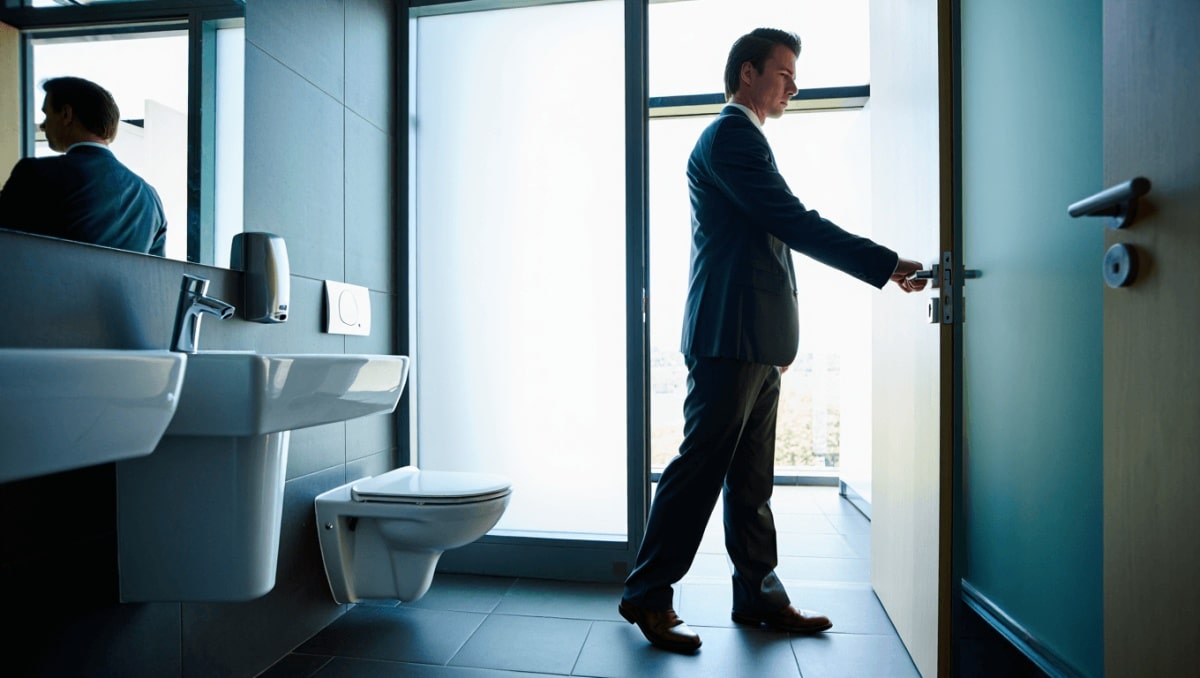
The idea of using a shared office restroom makes many people uneasy. Some avoid it entirely. Others time their visits around quiet hours. The result: people delay or skip bowel movements at work, often to their own discomfort.
Why so many people fear the office bathroom
Surveys show anxiety is common. About one-third of workers feel uneasy about pooping at the office. Nearly 20% say they avoid it altogether.
Eggs every day for months: simple check reveals shocking blood test result
Popular childhood food ingredient may raise adult anxiety: study
- Privacy concerns make stalls feel exposed.
- Fears about odors or bathroom noise add embarrassment.
- Shared facilities and irregular cleaning raise hygiene worries.
All of these factors push people to hold it in. That can lead to discomfort and irregular bowel habits.
Build a reliable morning routine to go before work
Regular bowel habits often come from steady daily routines. Eating, sleeping and moving on a consistent schedule helps your gut find a pattern.
Research links better outcomes to passing stool about once or twice a day. That frequency is often called the “Goldilocks zone.”
Key elements of a morning routine:
- Wake at a similar time each day.
- Start with hydration and a fiber-rich breakfast.
- Give yourself a few quiet minutes after eating to relax.
Eat more fiber for softer, more predictable stools
Dietary fiber bulks and softens stool. It also helps clear the colon and supports healthy gut bacteria.
Most people do not eat enough fiber. Studies suggest about 95% of Americans fall short of guidelines.
A practical target is at least 25 grams of fiber daily, though needs vary by age and sex.
High-fiber options to add to your day:
- Whole grains: oats, barley, brown rice.
- Legumes: lentils, chickpeas, beans.
- Fruits and vegetables: apples, berries, leafy greens, broccoli.
- Seeds and nuts: chia, flax, almonds.
Simple breakfast ideas:
- Oatmeal with flax meal and berries.
- Smoothie with spinach, chia seeds and banana.
- Whole-grain toast with avocado and a side of fruit.
Increase fiber slowly. Rapid changes can cause gas and bloating. Pair fiber with enough water for best results.
Drink water first thing, not a diuretic
Start your morning with a glass of water. It helps soften stool and jump-starts digestion.
Coffee can trigger bowel movements for some people. But coffee is also a mild diuretic. That can lead to dehydration if it replaces water.
Tips for effective hydration:
- Drink 250–500 ml of water after waking.
- Keep a bottle at your bedside or on the kitchen counter.
- Continue sipping water through the morning.
Hydration and fiber work together to make stools easier to pass.
Move your body to nudge the gut into action
Physical activity stimulates intestinal movement. Even brief movement can help.
You don’t need intense exercise. A short walk or simple stretches can be enough.
- Go for a 10–15 minute brisk walk after breakfast.
- Do light core exercises to engage abdominal muscles.
- Practice deep breathing to relax the pelvic floor.
Easy yoga poses to encourage a bowel movement
Some yoga positions gently massage the abdomen and promote motility.
- Seated spinal twist — relieves tension.
- Forward fold — compresses and releases the digestive organs.
- Yoga squat — opens the pelvis and helps alignment.
- Knees-to-chest — eases lower abdominal pressure.
Try a 5–10 minute routine after breakfast. Focus on slow, calm breaths.
Practical steps to feel confident using a workplace restroom
Small changes can reduce embarrassment and increase privacy.
- Choose off-peak times, like early morning or late afternoon.
- Carry a small air freshener or flush twice to clear odors.
- Use headphones or ambient sound to mask noise.
- Reserve a few minutes for yourself after breakfast to relax.
Consistency matters. The more predictable your habits, the easier it is for the body to follow.
When to seek medical advice about bowel habits
Some changes need professional attention. See a doctor if you notice:
- Severe constipation or straining for weeks.
- Sudden changes in stool frequency or form.
- Blood in the stool or unexplained weight loss.
- Persistent abdominal pain or bloating.
A healthcare provider can check for underlying causes and recommend safe treatments.
Combining dietary fiber, morning hydration, gentle movement and simple privacy strategies often makes it possible to relieve yourself before leaving for work. These habits also support overall digestive health and reduce the need to avoid the office restroom.










