
Show summary Hide summary
- Why waist-to-height ratio often beats BMI for predicting heart disease
- How to measure waist-to-height ratio and common cutoffs
- Scientific evidence: what studies show about risk prediction
- Why clinicians and public health programs are adopting it
- When waist-to-height ratio can be misleading
- Actionable steps to lower heart risk when the ratio is high
- Practical tips for staying on track with measurements and goals
New research and clinical practice are shifting focus from the old standby of body mass index to a simpler, more telling measure: the waist-to-height ratio. This indicator captures where fat sits on the body, and experts say it predicts heart disease and metabolic problems more reliably than BMI alone. Read on to learn how to measure it, why it matters, and what to do if your number is high.
Why waist-to-height ratio often beats BMI for predicting heart disease
BMI calculates weight relative to height but ignores fat distribution. That matters because fat stored around the abdomen is more dangerous.
Eggs every day for months: simple check reveals shocking blood test result
Popular childhood food ingredient may raise adult anxiety: study
Waist-to-height ratio reflects central, or visceral, fat, which is linked to inflammation, insulin resistance, and atherosclerosis. BMI can miss high-risk people with normal weight but excess belly fat. It can also mislabel muscular individuals as unhealthy.
Clinicians now view waist-to-height ratio as a stronger marker for cardiometabolic risk across diverse populations. It helps spot people at increased risk for heart attack, stroke, and type 2 diabetes.
How to measure waist-to-height ratio and common cutoffs
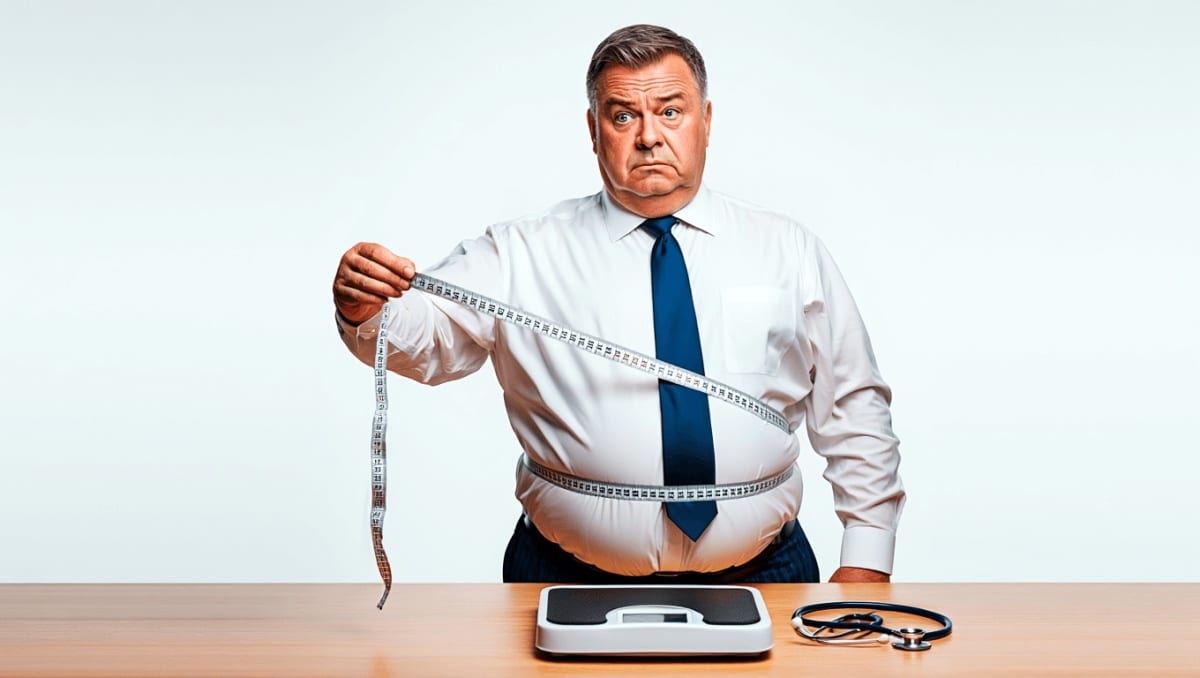
Measuring is simple and can be done at home or in a clinic.
Step-by-step measurement
- Stand relaxed and breathe out normally.
- Place a tape measure around your waist at the midpoint between the lowest rib and the top of the hip bone.
- Record the waist circumference in the same units as your height (cm or inches).
- Divide waist by height to get the ratio.
Many experts use 0.5 as the general cutoff. A ratio above 0.5 signals higher cardiovascular risk in adults. Some guidelines set slightly different thresholds for children, older adults, or specific ethnic groups.
Scientific evidence: what studies show about risk prediction
Multiple studies and meta-analyses have compared waist-to-height ratio and BMI. The former consistently performs better at predicting heart disease, metabolic syndrome, and mortality.
- Waist-to-height ratio often shows stronger links to coronary artery disease and stroke than BMI.
- It better identifies people with metabolic syndrome, even when BMI is normal.
- Across age groups and ethnicities, waist-to-height ratio remains a robust predictor in many cohorts.
Health researchers highlight its consistency and simplicity, which makes it useful for both individual screening and large-scale public health initiatives.
Why clinicians and public health programs are adopting it
Practical advantages explain the growing interest.
- It is easy to measure without specialized equipment.
- It communicates risk clearly: the “waist should be less than half your height” is memorable.
- It identifies at-risk people who appear normal by BMI, enabling earlier intervention.
Public health campaigns can use waist-to-height ratio as an accessible tool for community screening and education.
When waist-to-height ratio can be misleading
No single measure fits every person.
- Athletes and very muscular people may have unusual body proportions that complicate interpretation.
- Different ethnic groups store fat differently, which can influence appropriate cutoffs.
- Children and older adults require age-specific thresholds and clinical judgment.
- Severe scoliosis or body deformities can make tape measurements unreliable.
Use waist-to-height ratio alongside clinical history, blood tests, and other assessments for a complete picture.
Actionable steps to lower heart risk when the ratio is high
Targeting abdominal fat reduces cardiovascular risk more than focusing on weight alone.
- Move more: Aim for regular aerobic activity and include strength training twice weekly.
- Improve diet: Focus on whole foods, reduce added sugars and refined carbs, and increase fiber.
- Prioritize sleep and stress management to lower hormonal drivers of belly fat.
- Monitor progress by measuring waist and height periodically, not just the scale.
- Talk with a clinician about medical or surgical options if lifestyle changes are insufficient.
Practical tips for staying on track with measurements and goals
Small habits make measurement and improvement easier.
- Pick the same time of day for measurements, ideally after you wake and before eating.
- Use a cloth tape measure and note the position on the waist to ensure consistency.
- Record waist-to-height ratio along with blood pressure and fasting glucose for a broader risk profile.
- Set short-term, achievable targets like reducing waist circumference by a few centimeters over months.










