
Show summary Hide summary
- Why heart attacks climb during the holidays
- Holiday Heart Syndrome: alcohol, overeating and irregular rhythm
- The unseen pressure of perfect holidays
- Cold weather: a silent multiplier
- The dangerous habit of waiting it out
- Practical ways to enjoy holidays while protecting your heart
- Share your experience
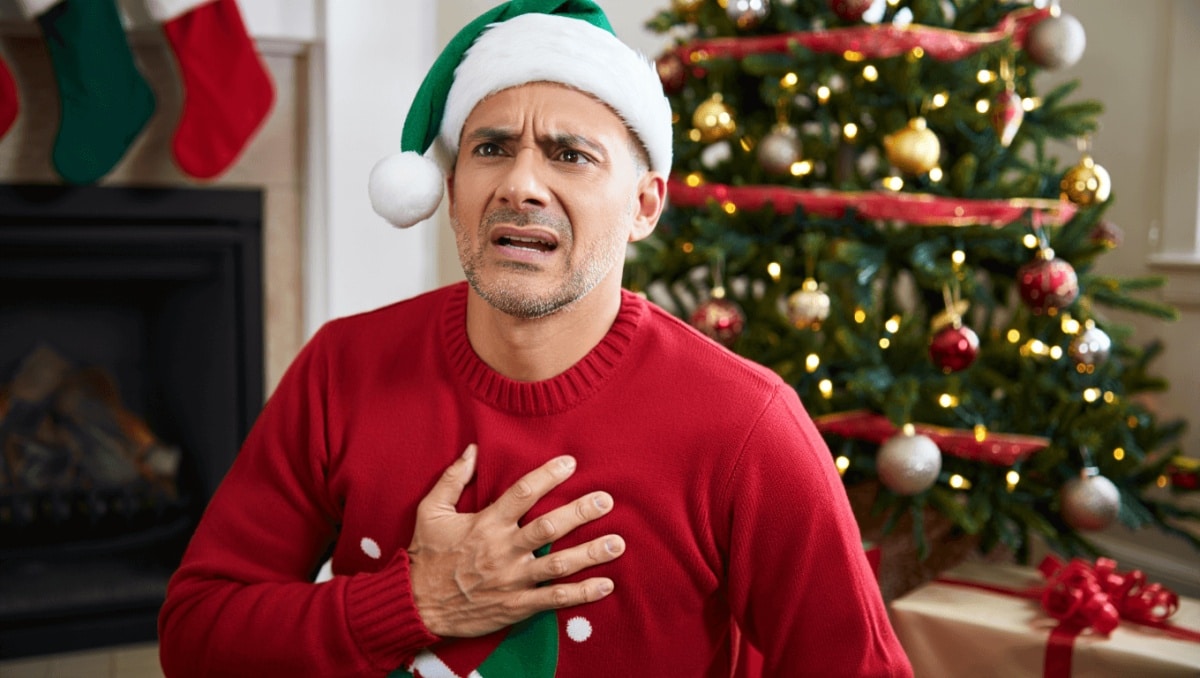
The holiday lights and family dinners hide an uncomfortable truth: heart emergencies rise sharply during year-end celebrations. Doctors warn that the season’s pleasures can become hidden hazards for vulnerable hearts.
Why heart attacks climb during the holidays
Medical studies show a clear pattern. Overall heart attack risk increases by about 15% during the festive season compared with the rest of the year. Yet one night stands out.
Eggs every day for months: simple check reveals shocking blood test result
Popular childhood food ingredient may raise adult anxiety: study
On December 24th, late in the evening, the danger peaks. Research finds the risk jumps by roughly 37% above normal, with a frequent tipping point around 10 p.m.
Unlike the usual early-morning heart attacks, these holiday events often occur after dinner. The timing points to a mix of physical strain and emotional intensity.
Holiday Heart Syndrome: alcohol, overeating and irregular rhythm
Excessive drinking over celebrations is not harmless. Repeated heavy alcohol intake can trigger arrhythmias, especially atrial fibrillation.
The combination of rich, salty meals and alcohol creates a potent strain on the cardiovascular system. Salt raises blood pressure and heavy digestion forces the heart to work harder.
For people with weakened hearts, this combination can push the organ past its limits.
How food and drink overload the heart
- High-salt dishes cause fluid retention and higher blood pressure.
- Large, fatty meals demand increased cardiac output for digestion.
- Alcohol can disrupt heart rhythm and directly damage cardiac muscle.
The unseen pressure of perfect holidays
Holiday preparations bring acute stress. Buying gifts, cooking for crowds and strained family dynamics all add emotional load.
Stress hormones such as cortisol and adrenaline surge. These chemicals raise heart rate and constrict blood vessels.
If someone already has arterial plaque, a sudden stress spike can cause a plaque to rupture and block blood flow. Joyful excitement and anger both trigger the same dangerous responses.
Cold weather: a silent multiplier
Stepping outside into cold air affects circulation. Blood vessels narrow to conserve heat. The heart must pump harder to maintain body temperature.
Even simple actions — walking briskly in winter clothes or shoveling snow — sharply increase cardiac demand. Combined with constricted arteries, the result can be fatal.
Smoking a cigarette outdoors between courses adds another layer of risk. Each degree of cold raises the heart attack probability.
The dangerous habit of waiting it out
Many people dismiss chest pain as indigestion or fatigue during celebrations. They delay calling for help to avoid disrupting the party.
That delay costs heart muscle. In cardiac events, time is heart muscle. Faster treatment means better chances of recovery.
If symptoms appear, do not assume they will pass. Seek immediate medical attention.
Practical ways to enjoy holidays while protecting your heart
You can celebrate without turning the season into a medical crisis. Small, sensible choices make a difference.
- Drink water between alcoholic beverages to slow intake and stay hydrated.
- Limit salty and heavy portions. Share rich dishes instead of finishing full plates.
- Take a 20–30 minute post-meal walk. Gentle movement aids digestion and circulation.
- Dress warmly if you go outside. Layering reduces the shock of cold air on blood vessels.
- Manage stress: delegate tasks, set realistic expectations, and step away when tensions rise.
- Keep regular medications on schedule and bring them if you travel to relatives.
- If you have known heart disease, plan ahead with your physician for safe activity levels and emergency steps.
Immediate actions if symptoms appear
- If you feel chest pain, shortness of breath, sudden nausea, or cold sweat, call emergency services right away.
- Do not wait to “see if it passes.”
- Chew aspirin if advised by your doctor and while help is on the way, unless contraindicated.
Share your experience
Have you ever witnessed a family member or friend feel unwell during the holidays? Tell us what happened and what helped. Your story could help others act sooner.










