
Show summary Hide summary
- How lying down changes fluid flow and triggers nighttime urination
- Why room temperature and bedding affect midnight bathroom trips
- Sleep cycles, stress hormones and false bladder alarms
- How sleeping position changes circulation and urine production
- One simple pre-bed habit that can cut nighttime toilet visits
- Everyday habits to reduce nocturnal trips to the bathroom
- Practical adjustments and when to seek medical advice
- Share your routine and results
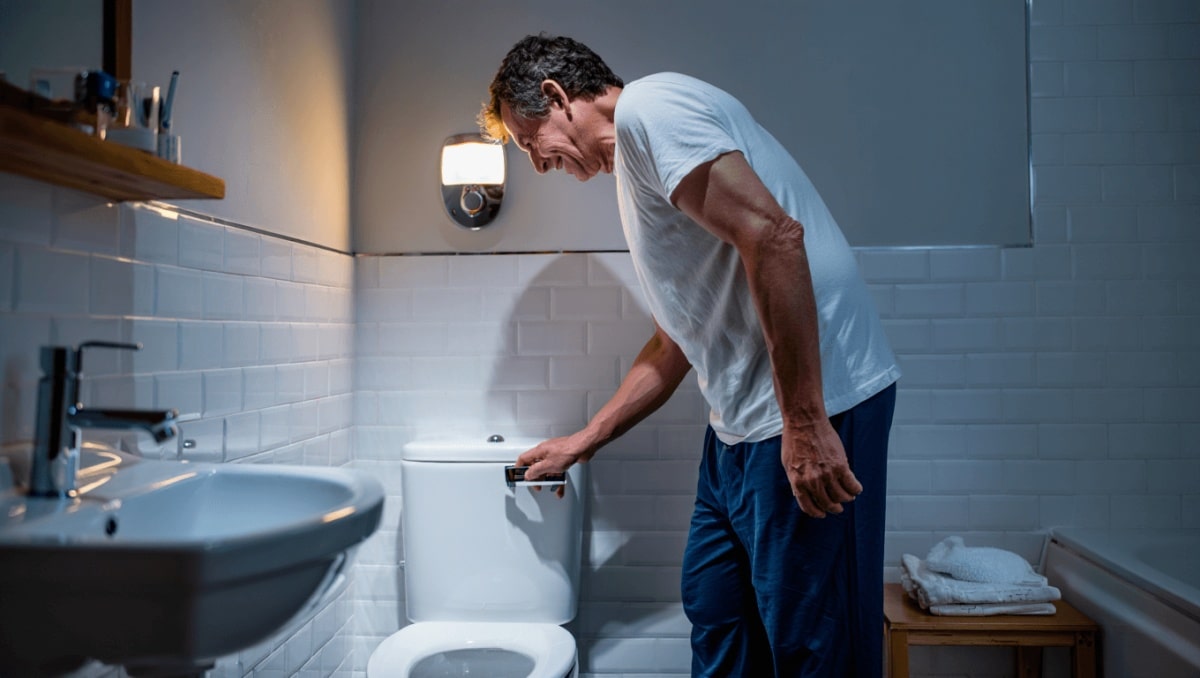
It’s 3 a.m. The house is silent and everyone else sleeps peacefully. You, however, are wide awake because your bladder insists you get up. That nightly interruption feels unfair and persistent. The cause is not always the late tea. Biology and simple physics often explain why your body asks for a bathroom break at odd hours.
How lying down changes fluid flow and triggers nighttime urination
During the day, gravity helps fluids pool in your lower legs. Sitting or standing long hours makes your ankles and calves retain water.
Eggs every day for months: simple check reveals shocking blood test result
Popular childhood food ingredient may raise adult anxiety: study
When you lie flat, that stored fluid returns toward the chest. Your kidneys notice the sudden increase in blood volume.
The message your brain receives is straightforward: there is excess fluid to filter. The kidneys respond by producing more urine.
So that urgent need to urinate at night often comes from fluid that shifted from your legs. It is not the water you drank at eight o’clock.
Why room temperature and bedding affect midnight bathroom trips
Cold rooms trigger a natural response called cold-induced diuresis. Your body shunts blood toward internal organs to protect them from the cold.
This raises blood pressure briefly. The kidneys then remove fluid to lower that pressure.
On the other hand, an overheated bedroom prevents deep sleep. You cycle in and out of light sleep, increasing micro-awakenings.
Each brief awakening gives your brain a chance to detect a mild urge and turn it into a full-blown reason to get up.
A comfortable bedroom temperature—often near 18–19°C—helps reduce these interruptions.
Sleep cycles, stress hormones and false bladder alarms
Middle-of-the-night awakenings often happen when sleep shifts from deep to lighter stages.
Stress and unresolved thoughts raise cortisol. That hormone can jolt you out of sleep around two or three in the morning.
Once awake, the mind looks for a reason. A slight bladder sensation becomes the obvious culprit.
In many cases, waking causes the urge—not the other way around.
How sleeping position changes circulation and urine production
Your body position influences how quickly fluids return to the torso.
Sleeping on your back lets blood and fluid flow back freely. That sudden return can boost urine formation.
Experts often suggest side sleeping to slow the rush of fluid toward the heart and kidneys.
Sleeping on the left side can be especially helpful. It improves circulation without forcing a rapid redistribution.
Try a pillow between your knees. It helps align the hips and eases muscle tension that might wake you.
One simple pre-bed habit that can cut nighttime toilet visits
The leg-elevation method
This method is easy and takes 15–20 minutes about an hour before bed.
- Lie back on a couch or recliner.
- Raise your legs so they are higher than your heart.
- Support them with pillows or the back of the couch.
- Stay in this position for 15–20 minutes.
The goal is to move pooled fluid from the legs toward the kidneys while you are still awake.
You will likely urinate once after this routine and then sleep longer without interruptions.
Everyday habits to reduce nocturnal trips to the bathroom
Small changes during the day and evening can shift when your body processes fluids.
- Time your drinking: Drink generously during the morning and afternoon. Slow down fluid intake after 6 p.m.
- Avoid bladder stimulants: Cut evening tea, coffee and alcohol. They increase urine production and bladder sensitivity.
- Watch salt intake: A salty dinner leads to fluid retention during the day. That fluid returns and is filtered at night.
- Compression socks: If you stand or walk a lot, wear graduated compression stockings. They reduce leg swelling.
- Check medications: Some drugs increase urination. Discuss timing with your clinician.
Practical adjustments and when to seek medical advice
Try the leg-elevation trick for several nights. Pair it with a cooler, stable bedroom temperature.
If you still wake frequently, consider keeping a simple diary. Note drinks, bedtimes, sleep quality and bathroom visits.
Persistent nocturia can signal medical issues. Speak with a healthcare provider if it disrupts your life or starts suddenly.
Share your routine and results
Have you tried elevating your legs before bed or changing your sleep position? Tell us what worked for you in the comments below.










