
Show summary Hide summary
- Hands and devices: where germs quietly travel
- Shower tools and routines that harbor bacteria
- Towels, bedding and the fabrics we forget
- Hair and scalp: frequency matters
- Toothbrush care and oral hygiene basics
- Bottles, flasks and reusable cups
- Small body areas we forget but shouldn’t
- Practical checklist: quick habits to adopt
You may think your hygiene is fine — but small, automatic habits can quietly undermine comfort and health. A few simple adjustments remove common risks and make daily care more effective.
Hands and devices: where germs quietly travel
Hands touch everything. Your phone sits on counters, pockets and tables. Together they create a chain for microbes.
Eggs every day for months: simple check reveals shocking blood test result
Popular childhood food ingredient may raise adult anxiety: study
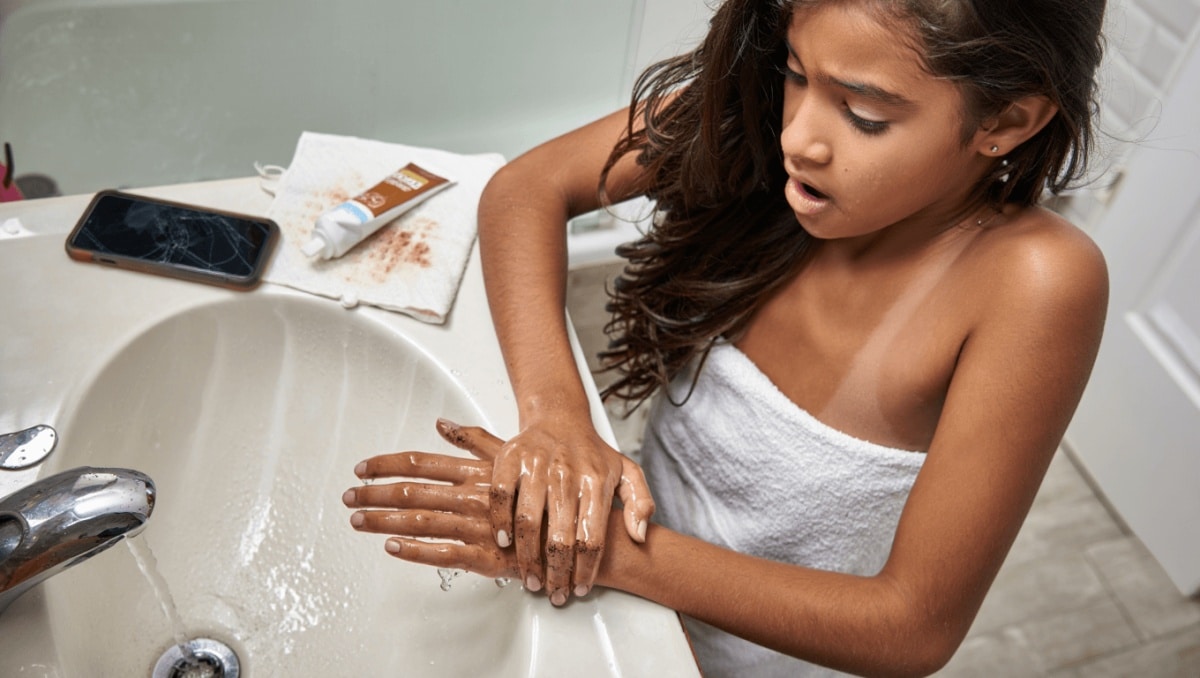
Proper hand washing that actually works
- Spend at least 20 seconds with soap and water.
- Rub the backs of your hands, between fingers and under nails.
- Short rinses don’t remove most germs. Make the time count.
Keep your phone clean
- Wipe screens daily with a soft, slightly damp cloth or an approved screen wipe.
- Disinfect spots where the phone rests. A regular wipe reduces bacterial build-up.
Shower tools and routines that harbor bacteria
Not all bath accessories are harmless. Moist, warm sponges and loofahs create ideal conditions for microbes.
- Rinse and squeeze sponges after every use and air-dry them outside the shower.
- Replace bath sponges every 3–4 weeks, or avoid them entirely.
- Apply deodorant only to clean, dry skin. It masks odors but doesn’t cleanse.
Towels, bedding and the fabrics we forget
Textiles collect sweat, skin cells and product residues. Small laundry habits influence skin health and freshness.
- Assign one towel per person to limit the spread of bacteria and fungi.
- Wash towels about once or twice a week depending on use.
- Change bed sheets weekly to remove sweat and dead skin cells.
Hair and scalp: frequency matters
Too-frequent shampooing can strip natural oils and irritate the scalp. Many people overdo it.
- Most people do well with shampooing two to three times a week.
- Adjust based on hair type, activity level and scalp needs.
- Listen to your hair: greasiness and itchiness guide the right rhythm.
Toothbrush care and oral hygiene basics
A wet toothbrush stored in a closed cup can collect impurities. Poor toothbrush care undermines oral health.
- Rinse your brush thoroughly after use and let it air dry upright.
- Replace your toothbrush every three months or sooner if bristles fray.
- Disinfect periodically by rinsing with an antibacterial mouthwash or letting it dry in open air.
Bottles, flasks and reusable cups
Reusable bottles travel with you and often go unwashed. They develop odors and bacterial films.
- Wash bottles every day with hot, soapy water.
- For deep cleaning, use a mix of white vinegar and baking soda or a bottle brush.
- Let lids and seals dry completely to prevent mold.
Small body areas we forget but shouldn’t
Places like the back of the ears collect sweat and product residue. They’re easy to overlook.
- Clean behind the ears gently during your shower.
- A dab of soap and rinsing is enough — no harsh scrubbing.
- Regular attention prevents unpleasant odors and irritation.
Practical checklist: quick habits to adopt
- 20-second hand wash with thorough scrubbing.
- Dry and replace sponges regularly; avoid sharing towels.
- Wipe your phone every day.
- Wash sheets weekly; launder towels frequently.
- Shampoo based on hair type, not habit.
- Rinse, air-dry and replace your toothbrush on schedule.
- Clean reusable bottles daily.
- Don’t skip small spots like behind the ears.
Do any of these slip-ups sound familiar? Share your daily habits in the comments and tell us which of these tips you’ll try first.










