
Show summary Hide summary
- Drink a full glass before you sit down to eat
- Stop grazing — give your body a predictable rhythm
- Build meals around protein to increase satiety
- Start meals with fiber-rich foods to feel satisfied sooner
- Combine complex carbs with protein or healthy fats
- Eat with attention — slow down and savor each bite
- Move briefly after meals to tame glucose surges
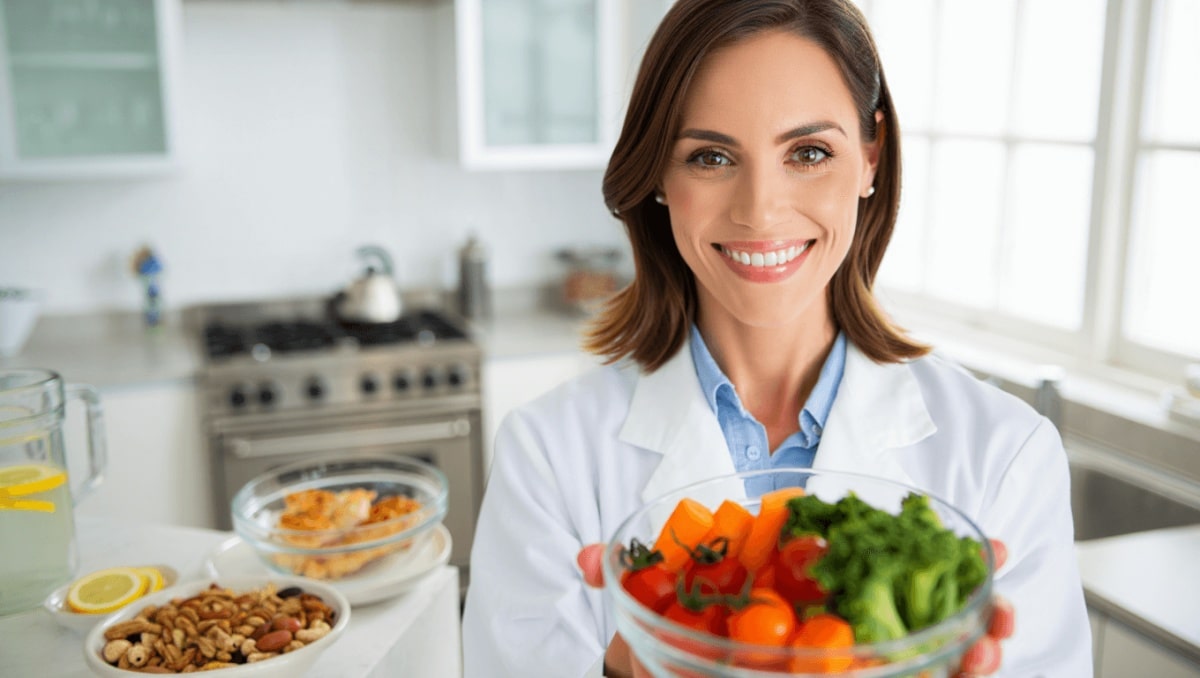
Millions of Americans have tried GLP-1 medications such as Mounjaro, Zepbound and Ozempic, and many report a dramatic drop in appetite and smaller grocery bills. A registered dietitian who works with a LillyDirect network shared practical, evidence-based habits that help people feel full faster and stay satisfied longer — whether they are taking a GLP-1 drug or not.
Drink a full glass before you sit down to eat
Use water to separate thirst from hunger
Eggs every day for months: simple check reveals shocking blood test result
Popular childhood food ingredient may raise adult anxiety: study
Having a glass of water 20–30 minutes before a meal can make a real difference. Hydration helps you judge true hunger and may reduce how much you eat at the next meal. Studies link pre-meal water to lower calorie intake and better weight outcomes for some people.
- Try warm or room-temperature water if cold feels too intense.
- Add a slice of lemon for flavor without extra calories.
Stop grazing — give your body a predictable rhythm
Scheduled meals improve hunger signals
Eating all day blurs your appetite cues. Regular, balanced meals help your hormones and blood sugar stabilize, which makes it easier to know when you truly need food. Consistent timing reduces mindless nibbling.
- Aim for three meals and one or two planned snacks, if needed.
- Keep portions consistent to retrain appetite patterns.
Build meals around protein to increase satiety
Protein delays hunger and protects muscle
Protein-rich foods slow stomach emptying and trigger fullness hormones. For people on GLP-1 medications, prioritizing protein also helps preserve lean muscle during weight loss. Make protein the centerpiece of each meal.
- Lean options: chicken, turkey, fish, tofu, Greek yogurt.
- Plant choices: lentils, chickpeas, edamame, tempeh.
- Include a protein source at breakfast, lunch and dinner.
Start meals with fiber-rich foods to feel satisfied sooner
Fiber forms a gel and slows digestion
Soluble fiber absorbs water and creates a gel-like texture in the gut. That process slows digestion and keeps blood sugar steadier, which helps you feel full longer. Eating fiber first gives you a head start on satiety.
- Good choices: oats, apples, beans, lentils, chia seeds, Brussels sprouts.
- Try a small bowl of broth-based soup or a salad before your main plate.
Combine complex carbs with protein or healthy fats
Smart pairings blunt blood sugar spikes
Complex carbohydrates like brown rice, quinoa, legumes and sweet potatoes digest slowly. Pairing them with protein or a healthy fat further delays digestion and extends fullness. Pairing reduces the urge to eat again quickly.
- Examples: quinoa with grilled salmon; sweet potato with black beans; brown rice with avocado and tofu.
- Avoid relying on refined carbs alone, which can trigger faster hunger.
Eat with attention — slow down and savor each bite
Mindful eating gives your brain time to catch up
When you eat distracted — in front of screens or on the go — you often consume more than planned. Slowing your pace, chewing thoroughly, and noticing flavors let your brain register fullness. Twenty minutes of focused eating can prevent overeating.
- Put away devices during meals.
- Take smaller bites and set your utensil down between them.
Move briefly after meals to tame glucose surges
Short walks support steady blood sugar
A short, 10-minute walk after eating helps blunt post-meal blood sugar spikes. This gentle activity aids digestion and can reduce the urge for immediate snacking. Even brief movement has measurable benefits, especially after carb-heavy meals.
- Walk around the block or march in place at home.
- Make it a simple habit after lunch or dinner.










