
Show summary Hide summary
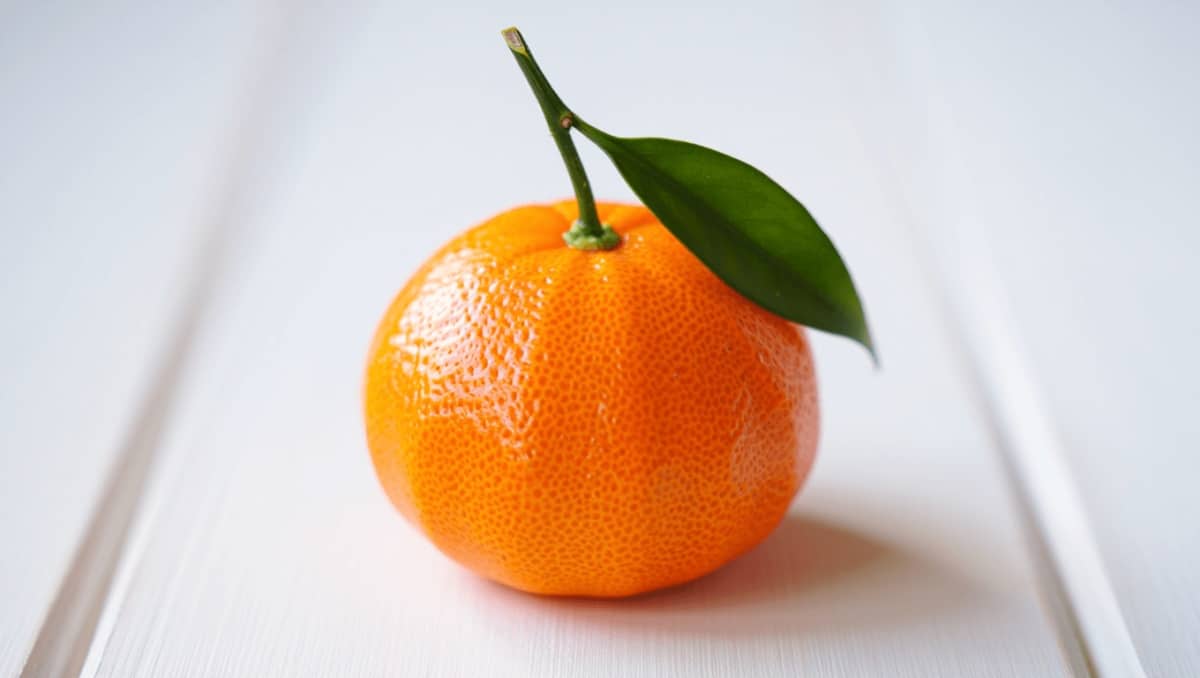
Clementines are quietly dominating winter fruit bowls this season, and for good reason. Small, sweet and easy to peel, they pack immune, skin and brain benefits into a low‑calorie snack that’s cheap and widely available.
What makes clementines a winter powerhouse
These citrus gems peak from October through January. They are usually seedless, simple to carry and ideal for quick snacks.
Eggs every day for months: simple check reveals shocking blood test result
Popular childhood food ingredient may raise adult anxiety: study
- Low calories: One clementine has about 35 calories.
- High vitamin C: Roughly 36 mg per fruit, a large portion of daily needs.
- Other nutrients: Folate, thiamine, small amounts of fiber and plenty of water.
- Plant compounds: Flavonoids and hesperidin add antioxidant and anti‑inflammatory effects.
Boosting immunity: why regular intake matters
Vitamin C supports immune cells and helps limit tissue damage from infections.
Evidence shows steady vitamin C intake can shorten cold and flu symptoms and lower their severity.
Tip: Taking vitamin C only after symptoms begin is less helpful than consistent consumption.
Skin advantages: collagen, hydration and calmer inflammation
Vitamin C is a building block for collagen.
Collagen keeps skin firm and helps wounds repair faster.
- Antioxidants reduce oxidative damage that leads to wrinkles.
- Flavonoids can ease redness and inflammation linked to acne or rosacea.
- High water content helps prevent dryness and flakiness.
Result: Regular clementine intake supports skin texture and tone over time.
Brain benefits: compounds that protect thinking and mood
Citrus fruits contain polyphenols and hesperidin, which act on inflammation and oxidative stress in the brain.
Laboratory and animal studies suggest citrus improves aspects of learning, memory and spatial recall.
Observational research links daily citrus consumption to lower dementia risk in older adults by about 15%.
Other studies found a roughly 20% lower risk of depression among people who ate citrus fruit every day.
Smart ways to add clementines to your routine
They are versatile and require no prep. Try these ideas:
- Eat whole as a portable snack.
- Add segments to salads for brightness and vitamin C.
- Mix into yogurt or cottage cheese for a fresh contrast.
- Blend into smoothies with leafy greens for extra nutrients.
- Use zest to flavor dressings and baked goods.
Snacking on two or three across a day is an easy way to increase fiber and vitamin intake.
Safety first: medication interactions to watch
Clementines contain furanocoumarins, compounds also present in grapefruit. These can affect how some drugs are processed.
People on certain medications, such as some cholesterol‑lowering drugs, should check with a doctor or pharmacist.
When in doubt: Ask a healthcare professional before you make daily citrus a habit.










