
Show summary Hide summary
- Early years: learning to live with type 1 diabetes
- Adopting wearable technology: the insulin pump era
- Continuous glucose monitoring: real-time data on the go
- Combining tech: closed-loop systems and automation
- Diet, exercise, and the performer’s routine
- Public role and advocacy: changing perceptions
- Mental health, privacy, and the realities behind the scenes
- Where diabetes care is headed and what it means for people like Jonas
Nick Jonas was diagnosed with type 1 diabetes as a teen, and the way he manages the condition today looks very different from two decades ago. His journey mirrors the broader shift in diabetes care, from manual routines to sleek wearable tech, all while he juggles life as a singer and entrepreneur. This piece traces that evolution, the tools he adopted, and how his public role helped reshape conversations about chronic illness.
Early years: learning to live with type 1 diabetes
When Jonas first learned he had diabetes, treatment focused on daily injections and careful carb counting. Back then, monitoring relied on finger pricks and paper logs. Those were resource-intensive habits for a teenager on tour.
Eggs every day for months: simple check reveals shocking blood test result
Popular childhood food ingredient may raise adult anxiety: study
- Daily injections: Multiple insulin shots per day were common.
- Manual glucose checks: Blood glucose meters required frequent fingertip tests.
- Strict routines: Meals and activity needed tight coordination with insulin timing.
Adopting wearable technology: the insulin pump era
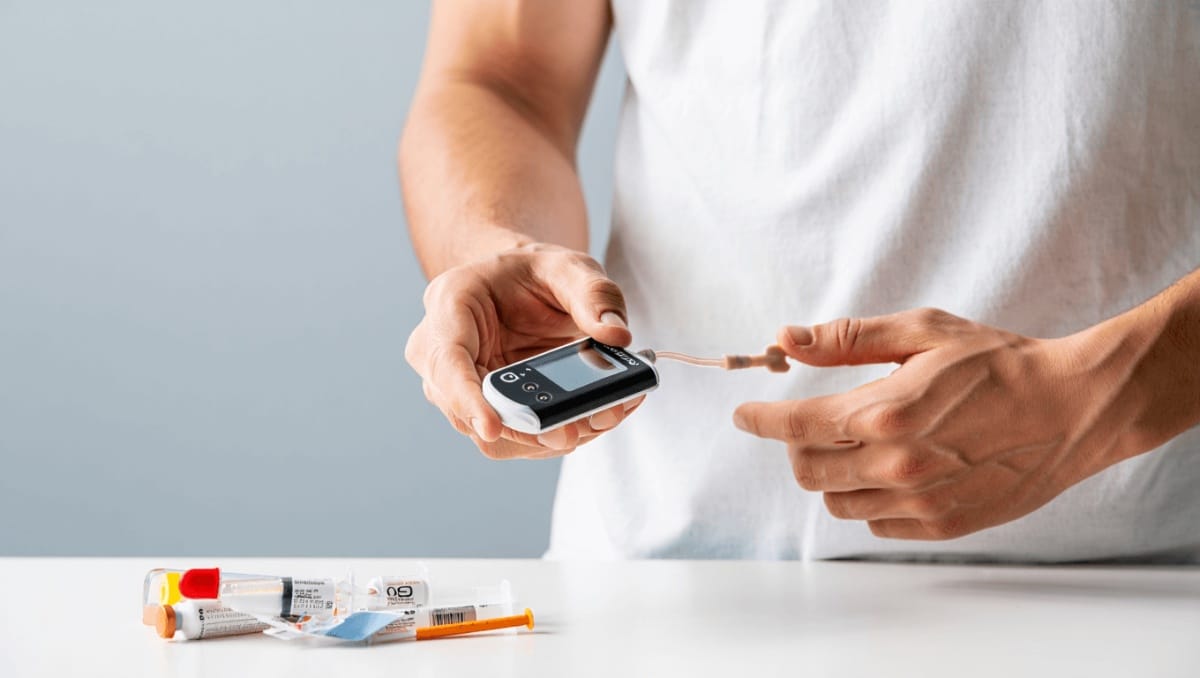
Over time Jonas transitioned to an insulin pump. This device allowed him to deliver insulin continuously and make adjustments without extra injections. For a performer, the pump provided more freedom.
How pumps changed daily life
- Reduced the number of needle sticks.
- Enabled finer control of basal insulin rates.
- Made insulin delivery more discreet on stage.
Pumps became a turning point because they cut down interruptions and helped him manage blood sugar during unpredictable concert schedules.
Continuous glucose monitoring: real-time data on the go
The arrival of continuous glucose monitors (CGMs) gave Jonas access to continuous readings. Instead of periodic finger pricks, he began using devices that report glucose trends every few minutes.
- Instant alerts for highs and lows.
- Patterns and trends visible through apps.
- Remote sharing with teammates or family for safety.
With CGM data, he could respond earlier to fluctuations and tailor insulin dosing with more confidence.
Combining tech: closed-loop systems and automation
Recent years have seen Jonas move toward integrated systems that link pumps and CGMs. These hybrid closed-loop setups automatically adjust insulin delivery based on sensor data.
- Less manual correction of highs and lows.
- Improved overnight glucose control.
- Fewer unexpected swings during travel or performances.
Automation reduced cognitive load, letting him focus more on work and less on constant glucose calculations.
Diet, exercise, and the performer’s routine
Managing diabetes on stage means balancing food, rehearsal, and intense workouts. Jonas tailored his diet and exercise to stabilize glucose while maintaining stamina.
- Planned snacks before shows to avoid drops.
- Timing carbs around rehearsals and flights.
- Strength and cardio routines adjusted for glucose impact.
Small changes in timing and meal composition helped him avoid sudden lows mid-performance.
Public role and advocacy: changing perceptions
Jonas has spoken openly about living with type 1 diabetes. His visibility helped normalize the condition and spotlights advances in treatment.
- Speaking about diabetes during interviews and concerts.
- Supporting education and awareness campaigns.
- Encouraging early diagnosis and modern management tools.
His openness turned personal care into public conversation, inspiring fans to seek better treatment options and support.
Mental health, privacy, and the realities behind the scenes
Even with tech improvements, emotional and logistical challenges remain. Managing a chronic disease amid a public career involves tough choices about what to share.
- Stress and travel can worsen glucose variability.
- Decisions about device visibility and public disclosure.
- The need for support systems on tour.
Jonas balances disclosure with privacy while leaning on a team for medical and emotional support.
Where diabetes care is headed and what it means for people like Jonas
Advances in sensors, algorithms, and noninvasive tech keep pushing diabetes care forward. For high-profile patients, that progress means fewer interruptions and better quality of life.
- Smarter algorithms that reduce hypoglycemia risk.
- Smaller, less obtrusive wearables.
- Improved app ecosystems for real-time decision making.
The arc of Jonas’ management reflects a wider shift — from survival tactics to proactive, data-driven care that fits a busy life.










