
Show summary Hide summary
- Daily movement: simple routines that preserve strength
- Food that fuels longevity: whole plates and steady protein
- Hydration and alcohol: manageable rules for better days
- Keep the mind engaged: learning and mental exercise
- Stress management: small rituals that change the outlook
- Social life as medicine: staying connected and useful
- Purpose-driven projects: motivation beyond routine
- Joy and laughter: an underestimated health tool
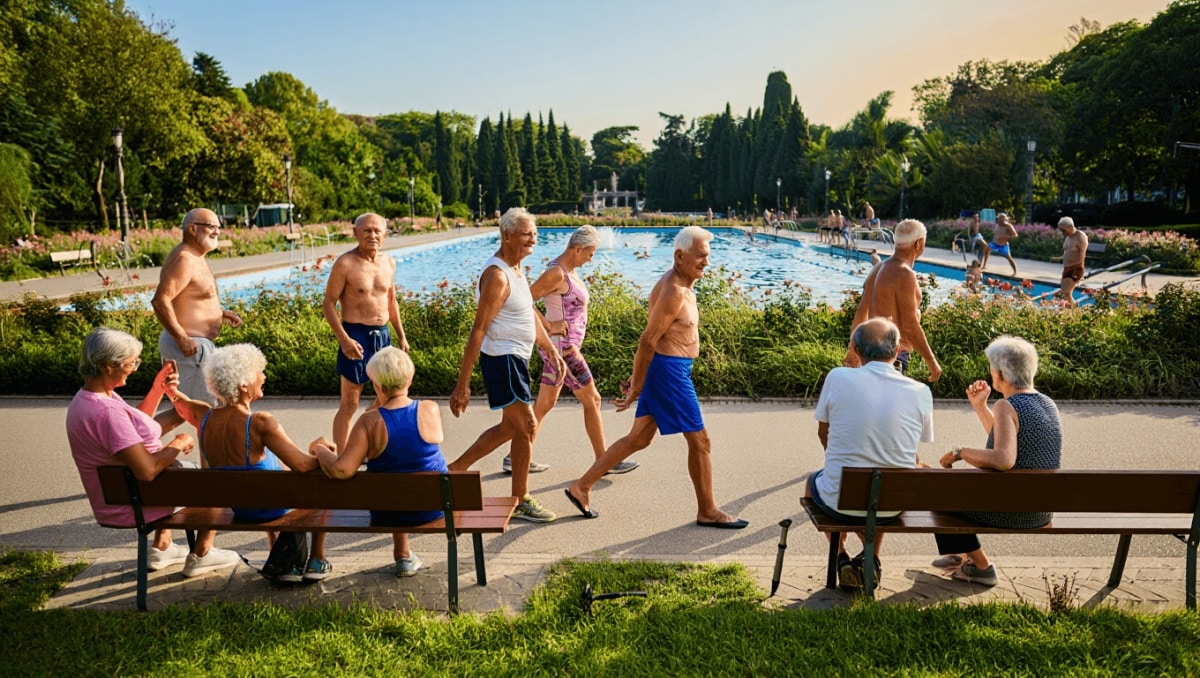
Before dawn and long after sunrise, parks and pools fill with people over 70 who seem to defy the calendar. They move, talk and laugh, and their daily habits reveal why some age with vigor while others slow down. What follows are practical routines these seniors use to stay independent, curious and healthy — habits any reader can try.
Daily movement: simple routines that preserve strength
Active seniors treat motion like a non-negotiable appointment. It doesn’t require intense workouts. It requires habit.
Eggs every day for months: simple check reveals shocking blood test result
Popular childhood food ingredient may raise adult anxiety: study
- Aim for at least 30 minutes of walking or gentle activity each day.
- Choose activities you enjoy: gardening, cycling to run errands, swimming, tai chi.
- Break movement into short sessions if needed: three 10-minute walks equal one 30-minute walk.
Muscle mass naturally declines with age, and inactivity speeds that loss. Those who maintain mobility emphasize consistency over intensity. Their secret is repetition, day after day.
Food that fuels longevity: whole plates and steady protein
Their plates look familiar: vegetables, whole grains, fruit and a source of protein at each meal. They avoid ultra-processed foods.
- Keep meals simple and recognizable — ingredients your grandparents would know.
- Include protein every time you eat: eggs, fish, poultry, legumes.
- Favor fiber-rich foods and colorful vegetables to support digestion and energy.
Small adjustments matter: a protein-rich breakfast, a balanced lunch and a light, legume-based dinner can protect muscle and vitality.
Hydration and alcohol: manageable rules for better days
Older adults often feel thirst less. That makes staying hydrated a quiet challenge.
- Target roughly 1 to 1.5 liters of water daily, adjusting for heat and activity.
- Watch for signs of dehydration: fatigue, dizziness, confusion.
- Limit alcohol to occasional, moderate amounts rather than daily drinking.
Hydration supports balance and cognition. Reducing regular alcohol intake also helps preserve sleep and cellular health.
Keep the mind engaged: learning and mental exercise
Mental fitness is treated like physical fitness. Reading, studying and solving problems are everyday rituals.
- Read daily for at least 20–30 minutes.
- Try a new language, class or hobby to build fresh neural pathways.
- Do crosswords, sudoku or strategy games rather than endless social scrolling.
Many report that learning keeps them curious and resilient. They balance screen time with activities that require concentration and effort.
Stress management: small rituals that change the outlook
Chronic stress ages the body. Instead of ignoring it, healthy seniors adopt calming routines.
- Practice brief breathing exercises or meditation daily.
- Do gentle yoga or stretching to calm the nervous system.
- Keep a nightly list of three positive moments to end the day on a good note.
Focusing on small positives rewires the mind toward gratitude and reduces rumination before sleep.
Social life as medicine: staying connected and useful
Longevity often comes with networks. Regular interaction protects mental and heart health.
- Maintain weekly meetups: coffee, walking groups or book clubs.
- Call friends and family regularly and accept invitations.
- Volunteer or join community activities to stay engaged and valued.
Isolation is a measurable health risk. Those who thrive invest in relationships and reciprocal support.
Purpose-driven projects: motivation beyond routine
Having a project gives each day a direction. It need not be grand to be meaningful.
- Care for grandchildren or mentor younger people.
- Cultivate a garden, write memoirs or teach a craft.
- Plan local trips or short learning goals to keep curiosity alive.
A sense of purpose fuels motivation, improves mood and encourages ongoing activity.
Joy and laughter: an underestimated health tool
Those who age well laugh often. Humor lightens stress and strengthens social bonds.
- Watch comedies, share funny stories and spend time with playful friends.
- Use lightness to reframe minor setbacks.
- Cultivate activities that bring spontaneous smiles every day.
Laughter lowers stress hormones, supports immunity and simply makes good days more frequent. For many, it is as intentional as a morning walk.










