
Show summary Hide summary
- Why some vintage plates and teacups can be dangerous
- How lead and cadmium ended up on your grandmother’s dishes
- Migration: how toxins move from glaze to food
- Health dangers linked to contaminated vintage dinnerware
- Practical rules to keep family and heirlooms safe
- How to tell if a piece is risky and testing options
- Steps to reduce exposure if you still want to use old dinnerware
- Global response and evolving standards for ceramics
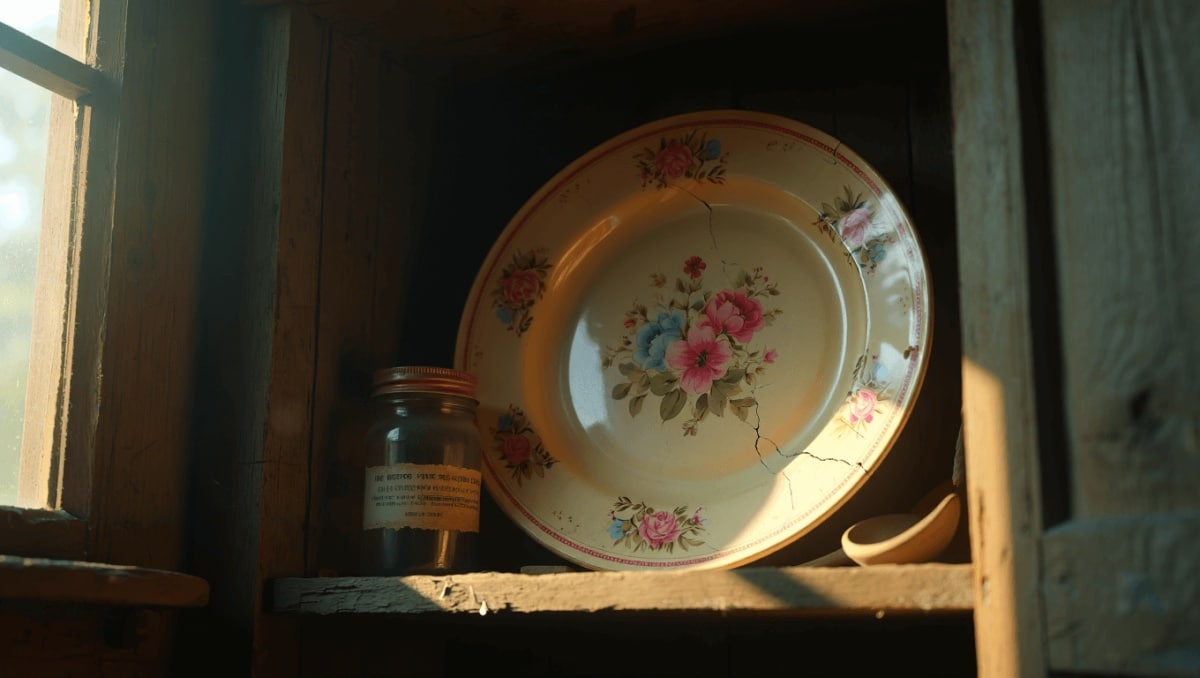
That pretty floral plate tucked in your cabinet may carry more than family memories. Recent lab checks and expert warnings show some antique crockery can release hazardous metals into food. Knowing which pieces are risky lets you keep treasured items safely on display while protecting your family at mealtimes.
Why some vintage plates and teacups can be dangerous
Tests by consumer watchdogs and ceramic labs have uncovered a recurring problem. Tableware made before modern safety rules often used glazes that contained heavy metals.
Eggs every day for months: simple check reveals shocking blood test result
Popular childhood food ingredient may raise adult anxiety: study
Those metals can be harmless while locked in a shiny glaze. But when conditions are right, they migrate into food. Many collectors assume old china is safer than plastic. That assumption is not always true.
How lead and cadmium ended up on your grandmother’s dishes
In the early and mid-20th century, manufacturers favored low-temperature firing techniques to produce bright, glossy finishes. To achieve robust color and a glassy surface, potters routinely added heavy metals to glazes.
- Lead: prized for creating a clear, glossy, vitrified surface that made patterns pop.
- Cadmium: used to produce intense reds, oranges and yellows that remain vivid over decades.
These ingredients were not regulated the way they are today. The result: a significant share of pre‑1950 ceramics contain measurable amounts of lead or cadmium in their glazes.
Migration: how toxins move from glaze to food
The real hazard is not the presence of metal in the glaze, but the process called migration. That is when heavy metals leach from the ceramic surface into food.
Migration is triggered by everyday factors many households create at the table:
- Heat — hot soups, boiling water and oven use speed up leaching.
- Acidity — vinegar, tomatoes, citrus and other acidic foods attack older glazes.
- Time — long contact between food and plate increases contamination.
Even pieces that look intact can release contaminants. The transfer is invisible, tasteless and odorless.
Health dangers linked to contaminated vintage dinnerware
Chronic exposure to lead and cadmium brings serious health consequences. A single meal is unlikely to cause immediate illness. The concern is accumulation over months and years.
- Lead exposure can cause fatigue, headaches, digestive issues and cognitive effects. In children, it harms brain development and learning.
- Cadmium is linked to kidney damage, reproductive toxicity and has been classified as a probable carcinogen by health authorities.
Public health agencies worldwide now advise caution with antique ceramics. Some countries are tightening allowed limits for these metals in consumer products.
Practical rules to keep family and heirlooms safe
You do not need to throw out every inherited plate. But adjust how you use them to avoid risk.
- Keep vintage pieces for display. Wall arrangements and glass cabinets preserve the charm without food contact.
- Never use suspect ceramics for hot or acidic dishes. Avoid soups, stews, citrus desserts and vinegary salads on antique plates.
- Limit use to dry, peeled or shelled foods. Nuts, wrapped items and peeled fruit pose much lower risk.
Simple rules protect health while keeping the sentimental value.
How to tell if a piece is risky and testing options
If you doubt a plate, there are ways to find out. Visual inspection alone is not reliable.
- Look for production dates or maker marks. Pieces made before the 1950s are more likely to contain lead or cadmium.
- Use home test kits. Lead swabs can give a quick indication, but they are not perfectly accurate.
- For certainty, send a sample to an accredited lab. Laboratories can measure metal migration under food‑simulating conditions.
When in doubt, treat the item as potentially hazardous for food use and restrict it to decorative roles.
Steps to reduce exposure if you still want to use old dinnerware
Some collectors choose cautious, limited use. Follow these safety measures if you do.
- Do not microwave or oven‑heat vintage pieces.
- Never serve acidic foods on them.
- Keep contact time short. Serve items briefly and transfer leftovers to modern containers.
- Consider using a food‑safe barrier, like modern liners, but only after checking compatibility.
These precautions lower the chance of migration but do not eliminate it entirely.
Global response and evolving standards for ceramics
Authorities from Europe to North America and Asia increasingly restrict heavy metals in consumer ceramics. Consumer groups publish test results and advise households to avoid using suspect antiques for food.
That attention reflects better scientific understanding and stricter safety thresholds than those in place when most heirlooms were made.










