
Show summary Hide summary
- Why balance declines gradually and what to watch for
- Keep moving: simple habits that rebuild strength and stability
- Choose footwear that protects every step
- Hydration and diet: silent factors that affect balance
- Home hazards to remove now for safer living
- Check vision and hearing to steady your steps
- Everyday actions that reduce fall risk
- Tell us your experience and tips
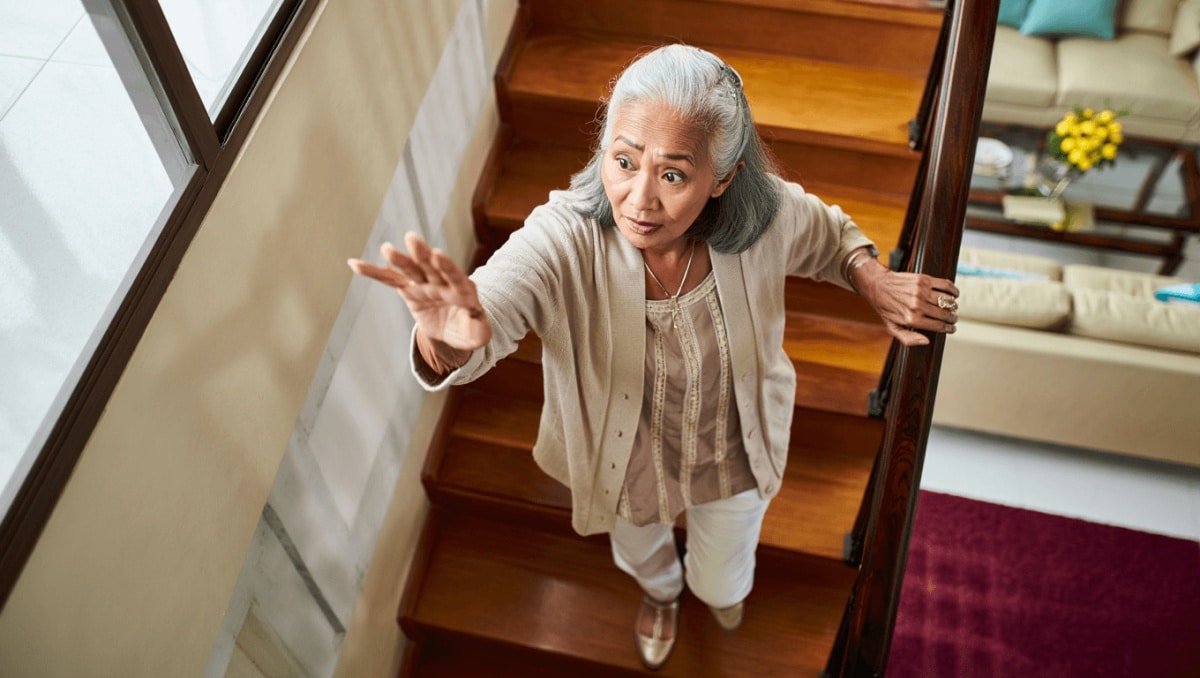
Older adults rarely lose their balance all at once. It usually starts with tiny changes: a hesitation when rising, a wary step on the stairs, a wobble that wasn’t there last year. Left unchecked, these small slips can lead to falls with serious consequences. The good news: many causes are simple habits, and small fixes can restore confidence step by step.
Why balance declines gradually and what to watch for
Balance is the result of many systems working together: muscles, joints, vision, hearing, and the nervous system. Problems rarely appear overnight.
Eggs every day for months: simple check reveals shocking blood test result
Popular childhood food ingredient may raise adult anxiety: study
- Small hesitations when standing up or climbing stairs are early signs.
- Reduced walking distance or fewer daily activities weaken muscles over time.
- Ignoring these signs lets risk build silently.
Early detection matters: spotting tiny changes gives time to act and prevent a fall.
Keep moving: simple habits that rebuild strength and stability
Complete rest is the enemy of balance. Muscles that support posture and steps need regular use.
- Aim for 20–30 minutes of walking each day.
- Include gentle strength moves for legs, core, and back.
- Mind-body activities like tai chi improve coordination and confidence.
Consistency beats intensity. Small daily routines prevent muscle loss and sharpen reflexes.
Choose footwear that protects every step
Many falls begin at ground level: slippers that slip, soles that are worn, or shoes that twist the foot.
- Prefer closed shoes with a firm heel cup.
- Look for non-slip soles and proper tread.
- Avoid overly soft or oversized slippers at home.
Good shoes are a simple, high-impact prevention measure. They improve footing and reduce the brain’s fear of a misstep.
Hydration and diet: silent factors that affect balance
Dehydration and poor nutrition can cause dizziness, fatigue, and muscle weakness. These reduce stability.
- Drink water regularly, even before thirst appears.
- Maintain a balanced plate: vegetables, fruits, whole grains, and proteins.
- Monitor sudden drops in energy or lightheadedness after meals.
Small, steady changes in food and fluid intake restore tone and alertness.
Home hazards to remove now for safer living
Most falls happen at home. Familiar rooms can hide many small dangers.
- Secure loose rugs with tape or non-slip pads.
- Improve lighting in hallways, bathrooms, and stairs.
- Clear clutter and move furniture to widen walking paths.
- Install grab bars near toilets and in showers.
Start with the most-used rooms: bedroom, bathroom, and kitchen. Small modifications yield big safety gains.
Check vision and hearing to steady your steps
Eyes and ears give essential information about position and movement. When they falter, balance worsens.
- Schedule regular eye exams and update glasses when needed.
- Test hearing and fit aids that are correctly tuned.
- Address sudden changes in sight or sound promptly.
Correcting sensory loss often improves movement and confidence immediately.
Everyday actions that reduce fall risk
Making a few practical choices each day keeps balance stronger.
- Use a cane or walker if advised by a clinician.
- Wear supportive shoes indoors and outdoors.
- Keep a water bottle nearby and snack on protein-rich foods.
- Practice a short balance routine each morning.
These steps are simple. Over time they make walking safer and life more independent.
Tell us your experience and tips
Have you tried changes that improved stability? Share a practical tip or story below. Your tips can help others avoid a fall.










