
Show summary Hide summary
- How to tell if a protein powder is safe and clean
- Why people use protein powders — benefits and real needs
- Top protein powders by purpose: best choices for weight loss, taste, and muscle gain
- Plant-based and vegan picks: organic, complete proteins, and superfood blends
- Specialty proteins: collagen and casein explained
- How we evaluated protein powders
- Frequently asked questions buyers ask about protein powders
- Quick checklist before buying any protein powder
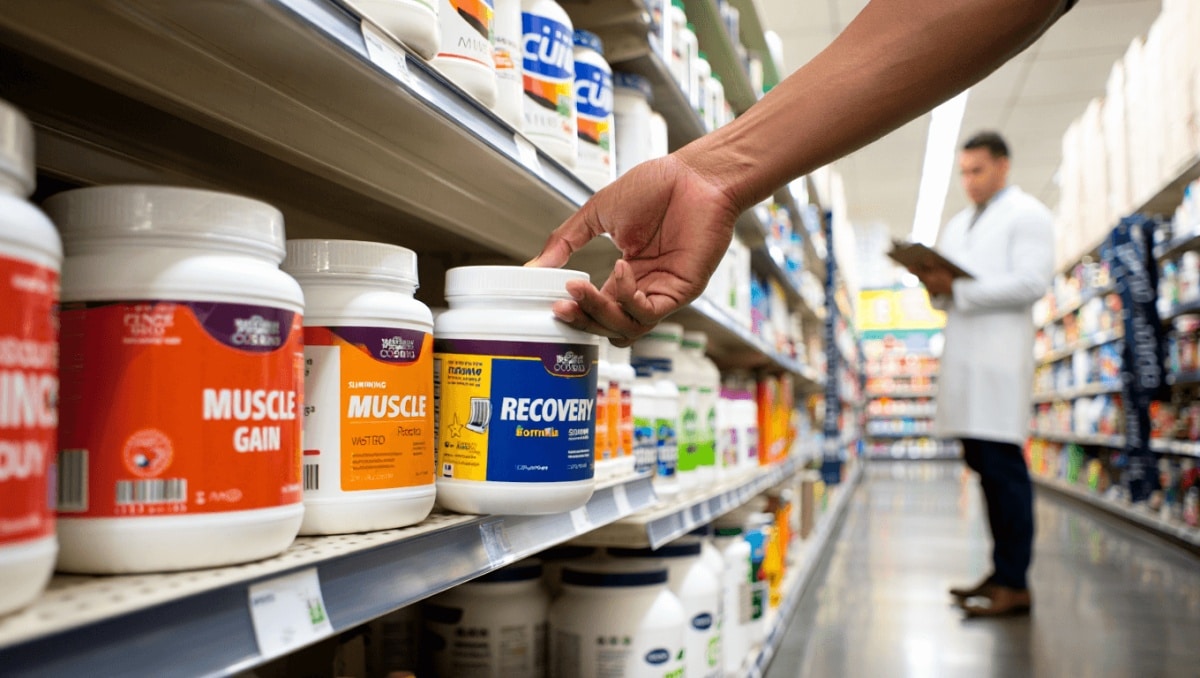
Walking down the supplement aisle, you’ll see tubs promising muscle, recovery, or a slimmer waist. Choosing the right protein powder matters more than flashy labels. This guide breaks down safety checks, who benefits from supplements, and top picks tailored to your goals — backed by expert advice and independent lab testing.
How to tell if a protein powder is safe and clean
Protein powders are not strictly regulated by the FDA. That means buyers should demand transparency.
Eggs every day for months: simple check reveals shocking blood test result
Popular childhood food ingredient may raise adult anxiety: study
- Look for third-party testing: Certifications from Labdoor, NSF, or Clean Label Project reduce risk.
- Check the ingredient list: Short, recognizable ingredient lists are usually better.
- Watch for contaminant reports: Recent studies found heavy metals in some powders. Choose brands that publish lab results.
- Avoid hidden sugars and artificial additives: These can add calories and impact blood sugar.
Why people use protein powders — benefits and real needs
Protein powders are a convenient source of amino acids. They can speed recovery and support muscle growth.
- Support healing after illness or surgery.
- Help older adults prevent age-related muscle loss.
- Assist athletes and lifters in meeting higher protein demands.
- Fill nutritional gaps when appetite or access to food is limited.
If you already meet your protein needs with whole foods, extra powder is often unnecessary. Talk to a clinician before starting any supplement.
Top protein powders by purpose: best choices for weight loss, taste, and muscle gain
Below are category-based recommendations, plus quick pros and cons to help you decide fast.
Best for weight loss: Muscle Feast Grass-Fed Whey Isolate
- Why it’s good: Low in carbs and calories. Uses grass-fed whey isolates.
- Protein per serving: 21.5 g
- Calories: 89
- Flavors: Vanilla, Cappuccino, Mocha, Pumpkin Spice, Strawberry Cheesecake
- Pros: Hormone-free, mild flavor, keto-friendly.
- Cons: Can be slow to dissolve for some users.
Best-tasting option: Ballerina Farm Farmer Protein
- Why it stands out: Blends grass-fed whey with collagen, hemp, and calf-first colostrum.
- Protein per serving: 24 g
- Calories: 120
- Flavors: Chocolate, Vanilla Bean, Maple Cinnamon, Strawberry Cream
- Pros: Rich flavor profiles; viral popularity for taste.
- Cons: Contains colostrum components — not a dedicated colostrum supplement.
Best classic whey: Optimum Nutrition Gold Standard Whey
- Why to consider: Widely used, mixes well, consistent quality.
- Protein per serving: 24 g
- Calories: 120
- Flavors: Double Rich Chocolate, Vanilla Ice Cream
- Pros: Trusted brand, good flavor and solubility.
- Cons: Fewer flavor options than some competitors.
Best for women who want a light, digestible protein: Bloom Clear Protein
- What makes it different: Ultra-filtered whey plus collagen; designed to dissolve in water.
- Protein per serving: 20 g
- Calories: 90
- Flavors: Raspberry Lemon, Strawberry Watermelon
- Pros: Gentle on digestion; adds beauty benefits from collagen.
- Cons: Smaller bag sizes and limited flavors.
Best for muscle gain: Factor Form Whey Protein
- Why athletes like it: High protein per serving and easy digestion.
- Protein per serving: 25 g
- Calories: 120
- Flavors: Vanilla, Chocolate
- Pros: No artificial sweeteners; travel packs available.
- Cons: Does not contain fiber.
Plant-based and vegan picks: organic, complete proteins, and superfood blends
Plant proteins vary widely. Blends can deliver a complete amino acid profile.
Best organic plant-based: Aloha Plant-Based Protein
- Protein per serving: 18 g
- Calories: 130
- Flavors: Chocolate, Vanilla
- Pros: Clean formula, recyclable packaging, no stevia.
- Cons: Lower protein per scoop than some whey powders.
Best plant protein overall: Vega Original Protein
- Protein per serving: 25 g
- Calories: 180
- Flavors: Vanilla, Chocolate, Raspberry Blackberry
- Pros: Pea-based, zero sugar, non-GMO and gluten-free.
- Cons: Some find it less filling than milk-based options.
Best vegan superfood shake: Ka’Chava
- Why it’s notable: Mix of pea, rice, quinoa, and ancient grains plus adaptogens.
- Protein per serving: 25 g (two scoops)
- Calories: 240
- Flavors: Strawberry, Chocolate, Vanilla, Matcha
- Pros: Adds probiotics, prebiotics, and many superfoods.
- Cons: Higher calorie count and price.
Specialty proteins: collagen and casein explained
Not every powder is aimed at muscle gain. Collagen and casein serve different needs.
Collagen for joints, skin, and gut: Bulletproof Gut Health Collagen
- Protein (collagen) per serving: 10 g
- Calories: 60
- Flavors: Vanilla, Chocolate, Unflavored
- Pros: Grass-fed sources, mixes easily into drinks.
- Cons: Lower in total protein; not a full amino acid profile.
Note: Collagen helps connective tissue and beauty metrics. It’s best paired with a complete protein when muscle building is the goal.
Casein for overnight recovery: Optimum Nutrition Casein
- Protein per serving: 24 g
- Calories: 120
- Flavors: Chocolate Supreme, Vanilla, Cookies and Cream
- Pros: Slow-digesting, supports overnight muscle maintenance.
- Cons: Check tolerance if you’re sensitive to dairy.
How we evaluated protein powders
We used a mix of lab data, expert input, and practical testing to score products.
- Ingredient quality: Protein grams per serving, added sugars, and artificial ingredients were prioritized.
- Safety testing: Products with third-party certifications and published lab reports ranked higher.
- Flavor and mixability: Real-world taste tests assessed aroma, sweetness, and texture.
- Packaging and labeling: Durable, resealable packaging and clear nutrition labels were favored.
Frequently asked questions buyers ask about protein powders
Which ingredients on a label signal quality?
- Simple ingredient lists with recognizable sources.
- Low added sugar and minimal artificial additives.
- Clear protein source labeling: whey isolate, casein, pea, rice, or blended proteins.
What makes a protein good for muscle building?
Leucine is a key amino acid to trigger muscle synthesis. Aim for about 2 g of leucine per serving.
Tip: A protein blend can work if total leucine intake matches whey’s leucine content.
Is whey better than plant protein?
Whey is fast-digesting and contains all nine essential amino acids.
Plant blends can match whey if combined properly. Choose based on goals and tolerance.
How should someone with diabetes choose a powder?
Talk to your healthcare provider first.
- Choose low-carb, low-sugar options to avoid blood sugar spikes.
- Verify total fat and calorie content if heart health is a concern.
How often should I use protein powder?
Protein powders are supplements, not mandatory daily foods.
Use them to meet your protein goals. Excess calories from supplements can cause weight gain.
Does body weight affect protein needs?
General RDA is 0.8 g per kg body weight. Older adults may benefit from closer to 1.5 g/kg.
Adjust based on activity level, goals, and professional guidance.
When to take protein around workouts?
Immediate post-workout consumption is not strictly required to gain muscle.
A practical window is within an hour after exercise to support recovery, but total daily protein matters most.
Quick checklist before buying any protein powder
- Does the brand publish third-party test results?
- Is the ingredient list short and clear?
- How many grams of protein and calories per serving?
- Are allergens or additives a concern?
- Does the powder match your dietary preference (vegan, keto, etc.)?










