
Show summary Hide summary
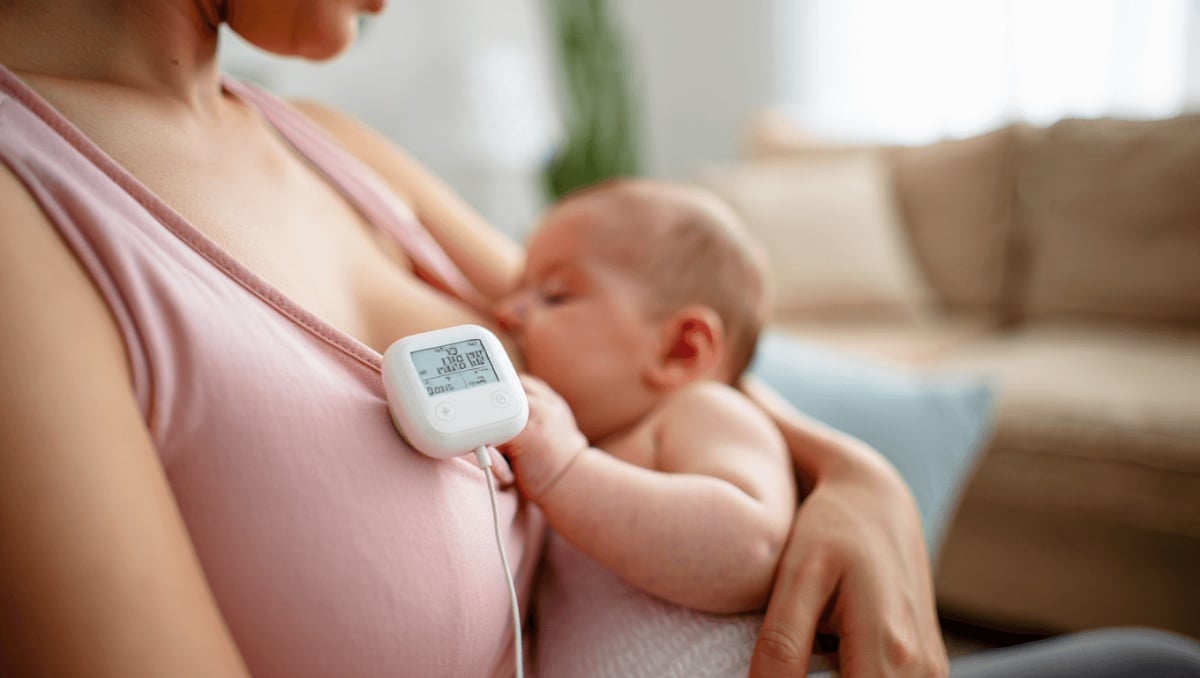
A new wearable for nursing parents promises to remove the guesswork from breastfeeding by measuring how much milk a baby actually consumes. The device debuted at CES 2026 and drew attention for combining a familiar silicone nipple shield shape with a discreet flow sensor and a companion app that tracks feedings in real time.
Coro: a shield that tracks milk flow in real time
The gadget, named Coro and made by Irish startup Coroflo, resembles a traditional nipple shield. What makes it different is a patented, non-invasive sensor embedded inside.
Eggs every day for months: simple check reveals shocking blood test result
Popular childhood food ingredient may raise adult anxiety: study
- The sensor detects milk flow and converts it into live data.
- Information is sent to a smartphone so caregivers can watch feeding volume and time instantly.
- The company says the app also charts trends so parents can compare feedings week to week.
At CES, Coro earned multiple awards, including recognition as Best Parent Tech. Coroflo representatives explained the unit records per-breast totals and session lengths, offering a precise readout many parents lack today.
How precise tracking can ease breastfeeding concerns
Measurements matter because perceived low supply is a common reason people stop breastfeeding early. Having objective numbers can reduce anxiety and inform feeding decisions.
Health advantages commonly associated with breast milk
- Breast milk adapts over time to infant needs.
- It contains antibodies that help protect against infections.
- Long-term studies link breastfeeding to lower risks of asthma, obesity, and some autoimmune conditions.
Medical bodies recommend exclusive breastfeeding for about six months when possible, then continuing alongside solids for at least a year. Yet many families stop earlier than planned.
- According to national data, most mothers begin breastfeeding at birth.
- By six months, a substantially smaller share of infants are still receiving breast milk.
Experts say biological supply is often adequate, but short or frequent feeds, discomfort, and unsettled babies can create doubt. Devices that provide objective intake data aim to address that gap.
Where the idea came from and who built it
Coroflo’s co-founder, a research physician, developed the concept after struggling to assess her own infant’s intake when growth was a priority. Traditional checks—like pre- and post-feed weighing—felt stressful and imprecise.
She partnered with an engineer experienced in flow sensing to design a wearable that fits the familiar shape of a nipple shield while delivering accurate, real-time metrics.
Pricing, availability, and practical details for parents
Coro will launch in Europe next month and is scheduled to reach the US market in September. The expected retail price is $299. The companion mobile app will be free to download.
Key product facts
- Initial release includes one medium size; small and large sizes are coming later.
- Unit is washable with soap and water and docks in a small charging case.
- It operates wirelessly with no additional hardware and is made without BPA.
Coroflo recommends trying a standard nipple shield first if a baby has not used one before. In trial use, most infants accepted the Coro shield, but familiarization can help ensure a smooth transition.










