
Show summary Hide summary
- Anti-inflammatory grocery checklist: what to add to your cart
- Why chronic inflammation matters for your health
- Powerful anti-inflammatory foods to prioritize
- Common inflammatory foods to limit or swap out
- Practical swaps and simple habits to begin
- Quick meal ideas that reduce inflammation
- How to build an anti-inflammatory pantry
If joint aches, constant tiredness or digestive upset feel familiar, your daily food choices could be part of the problem — and the solution. Changing what you eat can dial down chronic inflammation and improve energy, digestion and long-term health.
Anti-inflammatory grocery checklist: what to add to your cart
Stock a kitchen that supports reduced inflammation. Below is a practical shopping list organized by category. Keep portions moderate and choose whole, minimally processed items.
Eggs every day for months: simple check reveals shocking blood test result
Popular childhood food ingredient may raise adult anxiety: study
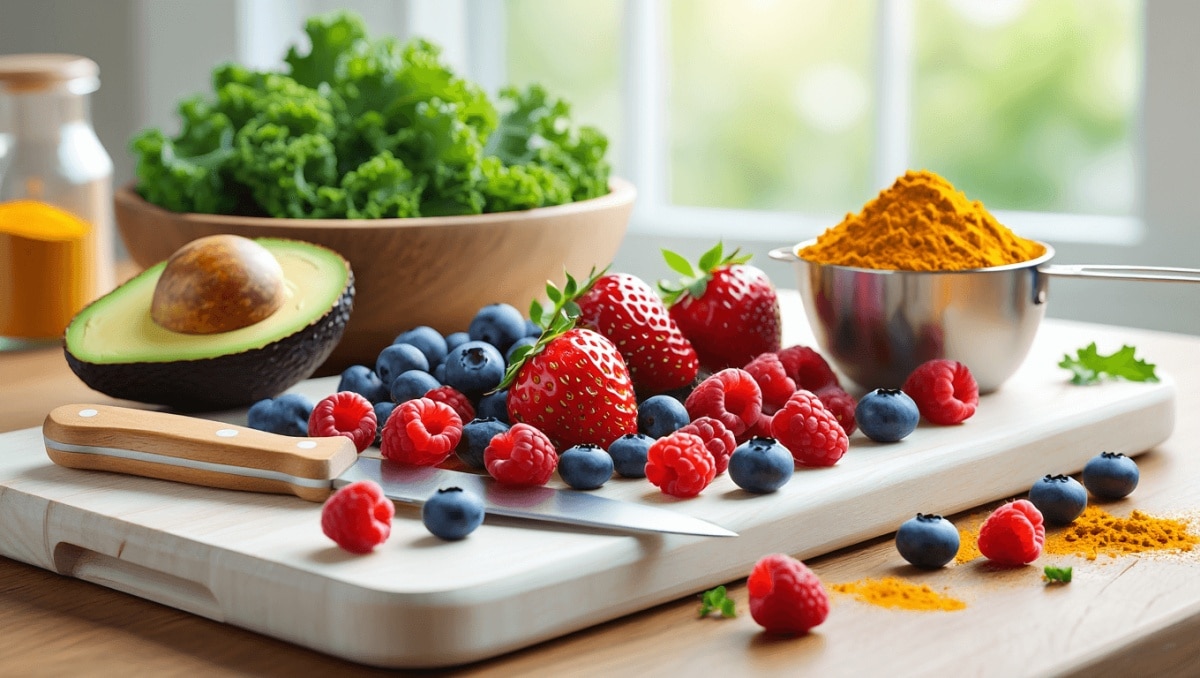
- Fresh fruits: berries (blueberries, raspberries, blackberries), cherries, strawberries, oranges, lemons, grapefruit, kiwi, pomegranate, avocado
- Vegetables: leafy greens (spinach, kale, Swiss chard), broccoli, cauliflower, Brussels sprouts, bell peppers, beets, sweet potatoes, garlic, mushrooms, carrots
- Healthy proteins: fatty fish (salmon, mackerel, sardines, anchovies), canned tuna in water for quick meals
- Legumes & pulses: chickpeas, lentils, black beans, kidney beans
- Whole grains: rolled oats, brown rice, quinoa, barley
- Nuts & seeds: almonds, walnuts, chia seeds, flaxseed, pumpkin seeds
- Oils & fats: extra virgin olive oil, avocado oil
- Herbs & spices: turmeric, ginger, cinnamon, rosemary, thyme, oregano, basil
- Beverages: green tea, white tea, herbal infusions (ginger, chamomile)
Why chronic inflammation matters for your health
Inflammation is a natural defense. It helps heal wounds and fight infections. But when inflammation lingers, it silently damages tissues.
Long-term inflammation links to conditions such as type 2 diabetes, heart disease, arthritis, some cancers and neurodegenerative disease. Modern lifestyle factors feed it: processed foods, excess sugar, inactivity and ongoing stress.
Changing dietary patterns is one of the most effective ways to reduce persistent inflammation and improve health markers.
Powerful anti-inflammatory foods to prioritize
Colorful fruits and vegetables
Bright produce supplies antioxidants and phytochemicals that lower inflammation. Aim for a variety every day.
- Dark leafy greens: spinach, kale, chard
- Cruciferous vegetables: broccoli, cauliflower, Brussels sprouts
- Red and purple fruits: berries, cherries, pomegranate
- Citrus and peppers for vitamin C and flavonoids
Omega-3 rich seafood and healthy fats
Omega-3 fats reduce inflammatory signaling. Include oily fish twice weekly when possible.
- Fatty fish: salmon, mackerel, sardines, anchovies
- Plant sources and dressings: extra virgin olive oil, avocado, walnuts, flaxseed
Spices and aromatics with therapeutic effects
Turmeric and ginger do more than add flavor. They contain compounds studied for anti-inflammatory action.
- Turmeric (combine with black pepper for better absorption)
- Ginger, cinnamon, garlic, rosemary and oregano
Whole grains and legumes for gut and metabolic health
Whole grains and pulses supply fiber that feeds beneficial gut bacteria. A healthy microbiome helps regulate inflammation.
- Oats, brown rice, quinoa, barley
- Lentils, chickpeas, black beans
Tea and hydrating choices
Green tea contains catechins with protective effects. Herbal teas like ginger or chamomile are gentle and nourishing.
- Green or white tea: moderate intake, 1–3 cups/day
- Herbal infusions for variety and hydration
Common inflammatory foods to limit or swap out
Sugary products and refined carbs
Sugary drinks, sweets and refined grains spike blood sugar and promote inflammation. Swap white bread and pastries for whole-grain alternatives.
Industrial trans fats and certain seed oils
Artificial trans fats and oils high in omega-6 can shift the inflammation balance. Avoid processed baked goods and excessive fried snacks.
Processed meats and excess red meat
Cured, smoked and highly processed meats contain additives linked to inflammation. Limit frequency and portion sizes.
Alcohol in excess
High alcohol intake aggravates inflammation, especially in the liver and gut. Moderate consumption if you choose to drink.
Practical swaps and simple habits to begin
- Add before you subtract: introduce a handful of nuts, an extra vegetable, or a daily cup of green tea.
- Use olive oil instead of margarine or industrial spreads.
- Replace sugary snacks with fruit and yogurt or a small portion of nuts.
- Season food with turmeric, ginger and garlic instead of heavy sauces.
- Cook from scratch more often to control ingredients and salt.
Quick meal ideas that reduce inflammation
- Breakfast: oats with berries, flaxseed and a sprinkle of cinnamon.
- Lunch: mixed green salad with grilled salmon and olive oil-lemon dressing.
- Snack: apple slices with almond butter or a small handful of walnuts.
- Dinner: lentil stew with turmeric and plenty of vegetables.
- Drink: warm water with grated ginger or green tea between meals.
How to build an anti-inflammatory pantry
- Keep staple cans and jars: chickpeas, lentils, canned tomatoes.
- Have frozen berries and vegetables for convenience.
- Store spices: turmeric, ginger powder, cinnamon, dried oregano.
- Choose whole grains in bulk: brown rice, quinoa, steel-cut oats.
- Always have a bottle of extra virgin olive oil for finishing dishes.










