
Show summary Hide summary
- How the study tested an oat-only short-term diet
- Rapid drops in “bad” LDL cholesterol and weight
- Benefits lasted even after returning to normal eating
- How oats seem to work: the gut microbiome link
- Portion size and timing matter
- Where this fits among existing treatments
- Researchers’ perspective and next steps
A humble bowl of oats may do more for your heart than you think. New research from Germany finds an intense, two-day oat-focused diet sharply lowers LDL cholesterol fast, with effects that linger weeks later.
How the study tested an oat-only short-term diet
Scientists at the University of Bonn recruited 32 adults who had metabolic syndrome. That condition includes excess weight, high blood pressure and abnormal blood sugar or lipids.
Eggs every day for months: simple check reveals shocking blood test result
Popular childhood food ingredient may raise adult anxiety: study
- One group ate oatmeal three times a day for two days.
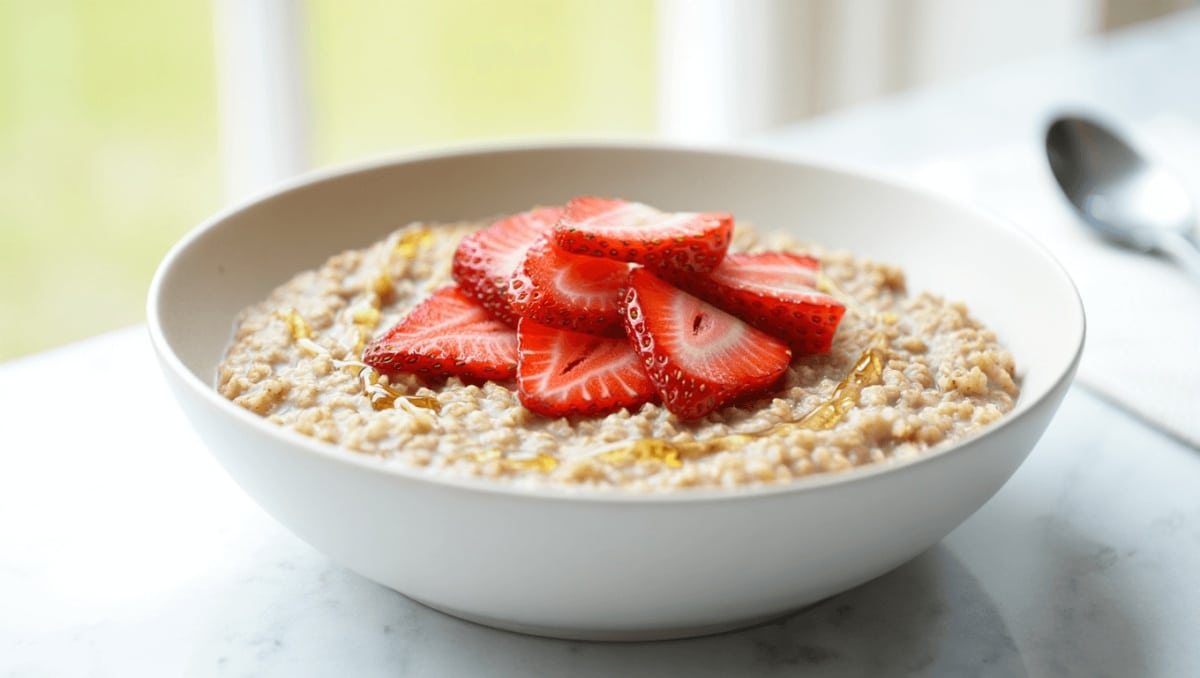
- They consumed about 300 grams of oats per day, boiled in water, with small amounts of fruit or vegetables allowed.
- Calories were reduced to roughly half their usual intake for this group.
- A second group also cut calories but was told to avoid oats.
Rapid drops in “bad” LDL cholesterol and weight
Both groups saw benefits from eating fewer calories. But the oat group improved far more.
- Within 48 hours, the oat eaters’ LDL cholesterol fell by about 10%.
- Participants lost roughly 2 kilograms on average in that short span.
- Blood pressure fell slightly alongside other changes.
These effects were notable because they happened quickly. And the oat-driven drop in LDL outpaced the change seen in the calorie-cut group that avoided oats.
Benefits lasted even after returning to normal eating
Perhaps most striking, the reduced LDL levels remained detectable when participants were tested six weeks later. That was true despite them resuming a typical Western diet.
Researchers say this suggests short, repeated oat-focused interventions could be useful for long-term risk reduction.
How oats seem to work: the gut microbiome link
Analysis of blood and stool samples pointed to changes in digestive bacteria as a likely cause.
- Oat consumption increased certain gut microbes that break down fibers.
- Those microbes release metabolic by-products that enter the bloodstream.
- One compound seen in prior animal work, ferulic acid, appears to help cholesterol metabolism.
- Other bacteria reduced levels of histidine or its derivatives, which are tied to insulin resistance.
In short, oats change the gut environment in ways that can alter cholesterol and diabetes-related pathways.
Portion size and timing matter
The team tested different doses and patterns. Smaller daily portions over time did not produce the same effect.
- Eating about 80 grams of oats per day without limiting calories had little impact on LDL.
- Large, concentrated oat intake with calorie restriction for two days produced the strongest response.
Where this fits among existing treatments
Statin drugs remain the most powerful tool for lowering cholesterol. They can reduce levels by up to 55% in some people.
But statin use varies, and many eligible people do not take them. In the U.S., roughly 86 million adults have total cholesterol above 200 mg/dL, and about 25 million exceed 240 mg/dL.
That gap leaves room for low-cost dietary approaches that can help reduce risk.
Researchers’ perspective and next steps
Study authors described the LDL change as meaningful, though not a replacement for medication in all cases.
They propose testing whether repeating an intensive oat-centered regimen every six weeks could provide sustained prevention against high cholesterol and diabetes.
Lead researchers highlighted the need for larger trials to confirm findings and to map which bacterial metabolites most reliably drive the benefit.










