
Show summary Hide summary
- How an old gout drug targets inflammation in the arteries
- Major studies that shaped the debate
- Who may gain the most from colchicine therapy
- Dosage, common side effects, and safety concerns
- What cardiology groups and guideline bodies are saying
- What clinicians and patients should discuss
- Unanswered questions and next steps in research
- Practical points for readers curious about colchicine
A common gout medicine is drawing new attention for a surprising benefit: lowering the risk of heart attack and stroke. Researchers and clinicians are reexamining how this inexpensive drug may protect blood vessels by calming inflammation. The result is renewed debate over who should take it and how it might fit into standard heart care.
How an old gout drug targets inflammation in the arteries
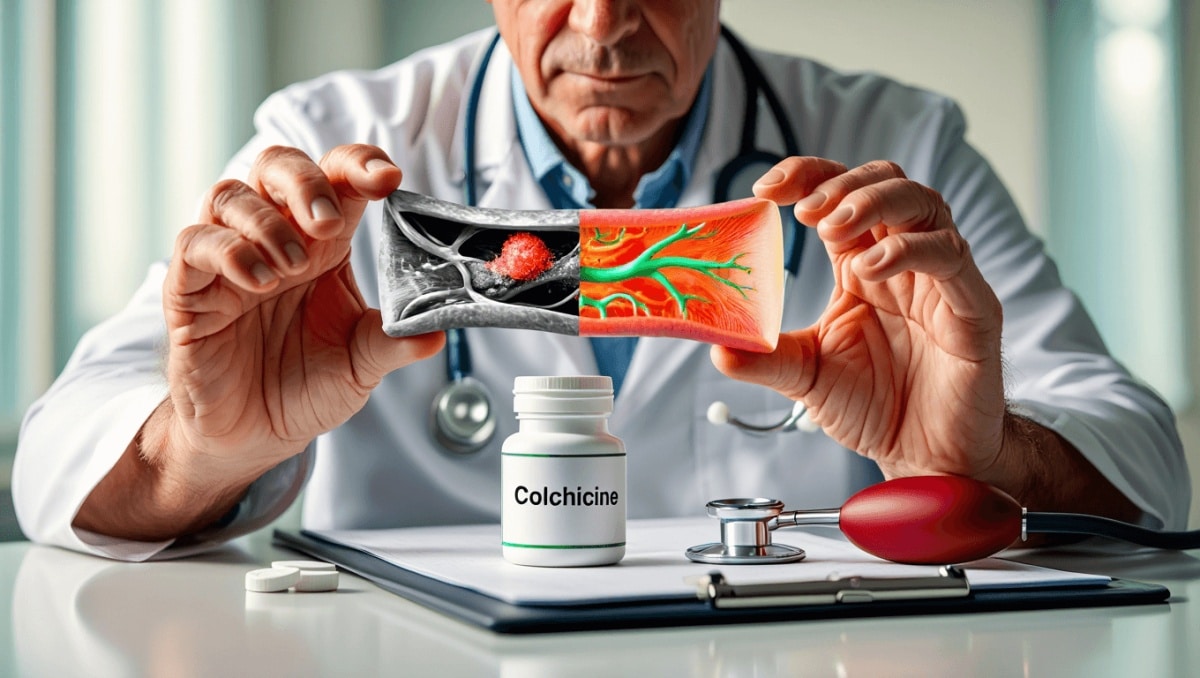
Colchicine has been used for centuries to treat gout. It works by tamping down inflammatory cells that cause joint pain. Scientists now think the same anti-inflammatory effect can reduce plaque instability in arteries. That instability is a key trigger for heart attacks and some types of stroke.
- Mechanism: Colchicine interferes with white blood cell activity and the inflammatory cascade.
- Target: Inflammation around atherosclerotic plaques, which can rupture and clot.
- Hypothesis: Reducing chronic vascular inflammation lowers acute cardiovascular events.
Eggs every day for months: simple check reveals shocking blood test result
Popular childhood food ingredient may raise adult anxiety: study
Major studies that shaped the debate
The evidence comes from randomized trials and pooled analyses. Two trials are frequently cited.
Trials showing benefits
- COLCOT: Enrolled patients after a recent myocardial infarction. Low-dose colchicine reduced the composite risk of cardiovascular death, resuscitated cardiac arrest, myocardial infarction, stroke, or urgent hospitalization for angina.
- LoDoCo2: Studied patients with stable coronary disease. The trial found fewer cardiovascular events in those taking low-dose colchicine versus placebo.
Meta-analyses and observational findings
Pooled analyses of trials suggest a consistent reduction in ischemic events. Observational studies hint at benefits in broader populations, but they cannot replace randomized data. Experts stress that benefits are greater for preventing recurrent events than for primary prevention.
Who may gain the most from colchicine therapy
Not everyone with heart disease is a candidate. Researchers and clinicians consider clinical context and risk profiles.
- Patients recently recovering from a heart attack may see the clearest benefit.
- People with established coronary artery disease and persistent inflammation could be considered.
- Those without prior cardiovascular events face a less certain benefit, and more research is needed for primary prevention.
Shared decision-making between doctor and patient is essential. Treatment should balance cardiovascular benefit with potential side effects and interactions.
Dosage, common side effects, and safety concerns
Clinical trials typically used low doses, most often 0.5 mg once daily. That dose minimizes adverse reactions while maintaining effect.
- Common side effects: gastrointestinal upset, diarrhea, nausea, and abdominal pain.
- Less common but serious risks: muscle toxicity, especially when combined with certain drugs.
- Caution is needed in patients with severe kidney or liver disease.
Drug interactions matter. Colchicine is metabolized by pathways shared with other medications. Combining it with strong CYP3A4 or P-glycoprotein inhibitors can raise colchicine levels and risk toxicity. Doctors should review all prescriptions and over-the-counter medicines.
What cardiology groups and guideline bodies are saying
Professional societies are watching the data closely. Some have started to acknowledge colchicine as a potential secondary preventive option in select patients. However, many organizations urge restraint until longer-term safety and broader-effectiveness data are available.
- Guidelines emphasize proven therapies first: statins, antiplatelet drugs, blood pressure control, and lifestyle change.
- Colchicine may be considered when inflammation appears to drive residual risk.
- Ongoing trials and registry data will influence formal recommendations.
What clinicians and patients should discuss
When colchicine is on the table, the conversation should cover benefits, risks, monitoring, and alternatives.
- Discuss expected benefit size and timeframe to see effects.
- Review all medications to avoid dangerous interactions.
- Plan for monitoring of symptoms and periodic lab tests when indicated.
- Consider patient preferences about side effects and pill burden.
Unanswered questions and next steps in research
Several important questions remain. Researchers are exploring optimal duration, effects in diverse populations, and the drug’s role alongside modern heart therapies.
- Long-term safety in the elderly and those with multiple comorbidities.
- Effectiveness for primary prevention in people without prior heart events.
- Comparisons with other anti-inflammatory strategies currently under study.
Practical points for readers curious about colchicine
If you have coronary disease or a recent heart attack, you may ask your cardiologist about colchicine. Do not start or stop prescribed medication without medical advice.
- Ask whether you fit the profile of patients studied in trials.
- Request a medication review to check for dangerous interactions.
- Report any new muscle pain or severe digestive symptoms promptly.










