
Show summary Hide summary
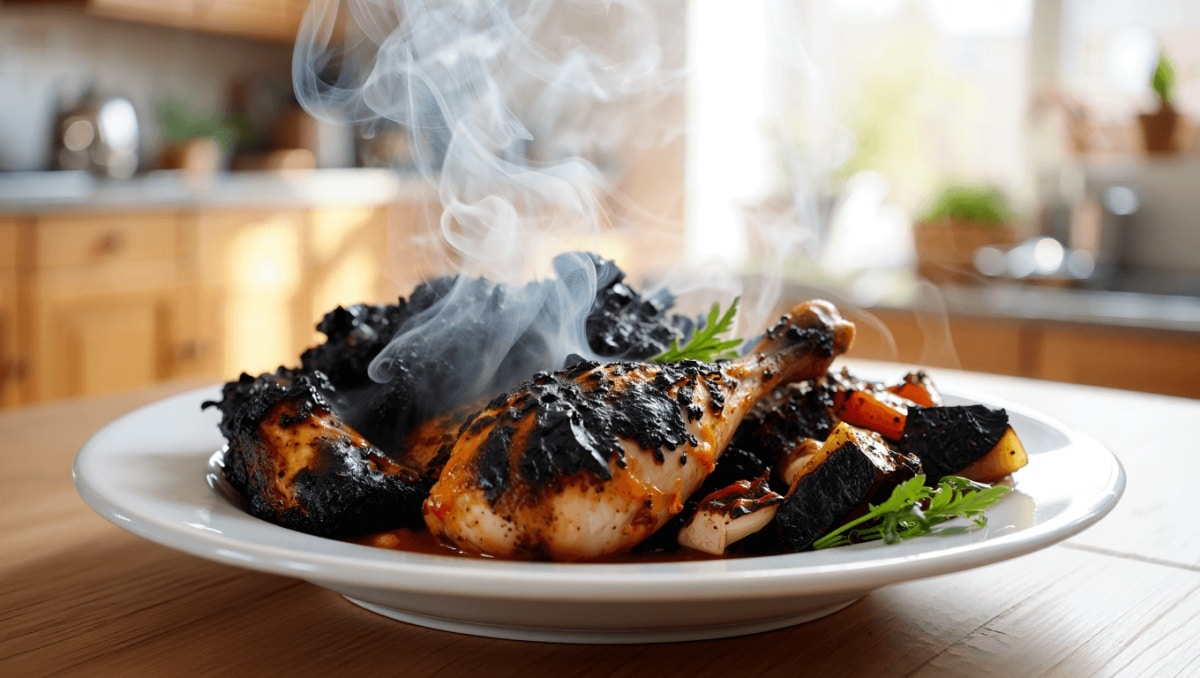
Cold weather makes hot meals irresistible, but the char on your plate can hide unseen risks. Foods browned or blackened at high heat can form chemicals that alter DNA in lab studies. That has scientists and nutrition experts urging caution while still recommending comfort foods in moderation.
How heat changes food chemistry and why it matters
When foods reach high temperatures, simple cooking reactions can produce compounds linked to cancer in animal studies. Different foods produce different chemicals.
Eggs every day for months: simple check reveals shocking blood test result
Popular childhood food ingredient may raise adult anxiety: study
Heterocyclic amines (HCAs)
HCAs are created when amino acids, creatine and sugars in muscle meats react under intense heat. This tends to happen when meat is cooked above about 300°F. Grilling, pan-searing and broiling are common triggers.
Polycyclic aromatic hydrocarbons (PAHs)
PAHs form when fat and juices drip onto an open flame. The rising smoke then settles back onto the food, depositing these compounds on the surface.
Acrylamide in starchy foods
Starches such as bread, potatoes and root vegetables can form acrylamide when cooked at high heat. The chemical reaction occurs between the amino acid asparagine and certain sugars. Temperatures above roughly 248°F favor this process.
What researchers have found about health risks
Animal studies show clear links between these compounds and tumors. Rodents exposed to high levels developed cancers in lab experiments.
Human studies are more complex. Many experts say the evidence for diet-driven cancer risk in people is limited and inconsistent. Factors such as overall eating patterns and lifestyle make it hard to isolate the effect of charred food.
Experts recommend caution because the compounds are biologically active and can damage DNA in lab tests. But most agree occasional consumption is unlikely to be a major driver of cancer on its own.
Immediate and nutritional drawbacks of overcooked food
- Digestive upset: Overly charred meals can irritate the stomach and worsen reflux for some people.
- Loss of nutrients: Heat-sensitive vitamins, like B vitamins and vitamin C, degrade when food is burned.
- Reduced antioxidant levels: Intense cooking can break down delicate plant compounds that help guard against cellular damage.
Smart kitchen habits to cut down on harmful compounds
Small changes during prep and cooking can lower HCAs, PAHs and acrylamide in meals.
- Aim for golden, not black: Remove food from heat once it reaches a light brown color.
- Flip and move: Turn meat frequently to avoid long exposures to very hot spots.
- Trim the worst bits: Cut away or scrape off charred sections before eating.
- Choose leaner cuts: Less fat dripping reduces PAH-generating smoke.
- Marinate meats: Acidic and herb-based marinades can reduce HCA formation.
- Change methods: Roast at lower temperatures, steam, braise or poach instead of direct grilling.
- Par-cook first: Microwave or oven-cook thicker meats before finishing on the grill to cut grilling time.
- Watch starchy items: Avoid overbrowning bread and roast potatoes to a light gold.
- Use a thermometer: Cook to safe internal temperatures without overcooking the exterior.
Diet and lifestyle choices that reduce overall risk
Limiting charred foods is one piece of a bigger dietary picture. A varied, plant-forward diet supplies nutrients that help protect cells.
- Fill half your plate with vegetables and fruits.
- Choose whole grains and lean proteins most days.
- Limit processed and heavily fried foods.
- Include antioxidant-rich foods like berries, leafy greens and nuts.
Balance matters: Occasional imperfectly cooked food is unlikely to be dangerous. Regularly relying on heavily charred meals, however, is best avoided in favor of gentler cooking and diverse eating.










