
Show summary Hide summary
- What the label analysis revealed about Lidl’s meat
- Surprising purity in an organic minced beef pack
- How Lidl can sell organic meat so cheaply
- Ready-to-cook beef burgers: simple and trustworthy
- Why the “bio” label does not always mean zero additives
- Tips to shop smart for supermarket meat
- Butcher vs supermarket: balancing quality, time and budget
- Share your experience with discount supermarket meat
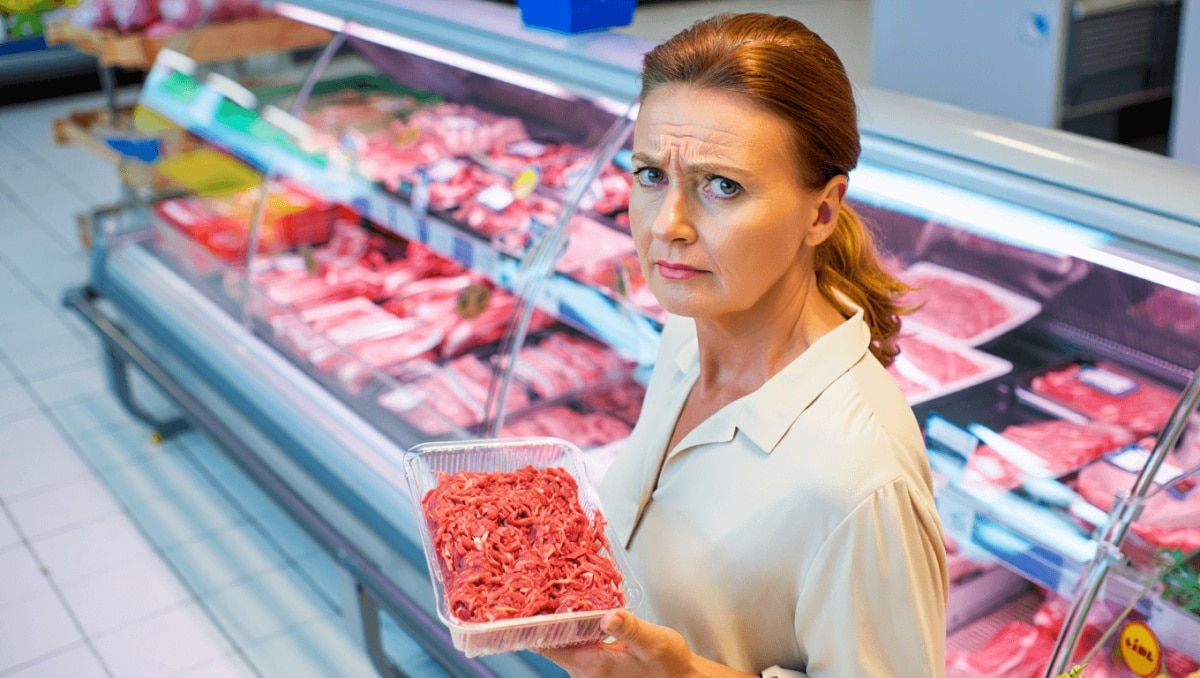
Standing in front of the refrigerated display with a tray of minced meat in hand, many of us hesitate. The price seems too low, the plastic tray looks uninspiring and a small doubt creeps in: is there a catch? A nutrition expert pulled apart the ingredient lists of Lidl’s best-selling minced meats and burgers. The findings are more nuanced than you might expect.
What the label analysis revealed about Lidl’s meat
- Very short ingredient lists on several products, often just meat, salt and pepper.
- Organic options at competitive prices, sometimes below 13 € per kilogram.
- A warning sign: some individually wrapped bio steaks contain antioxidants for preservation.
Eggs every day for months: simple check reveals shocking blood test result
Popular childhood food ingredient may raise adult anxiety: study
Surprising purity in an organic minced beef pack
The biggest surprise came from an organic loose minced beef sold under the Origin Prineos name. The ingredient list is almost stripped to essentials. You will find nearly pure organic beef and a tiny amount of organic pepper. No mysterious preservatives or colour enhancers.
For households that want cleaner labels without a trip to the butcher, this product stands out as a practical choice. It reads like real food: mostly meat, minimally processed.
How Lidl can sell organic meat so cheaply
Organic products usually cost much more, yet this minced beef often appears under the 13 €/kg mark. That catches the eye in times of rising grocery bills.
Factors behind the price
- Scale: large retailers buy in volume and streamline logistics.
- Packaging and distribution efficiencies reduce cost.
- But crucially, the product does not seem water-loaded or full of cheap fillers.
The expert notes the meat does not shrink drastically at cooking time. That suggests the low price here is not achieved by adding excess water or poor-quality fat. The value for money appears credible.
Ready-to-cook beef burgers: simple and trustworthy
The two-pack burgers sold at Lidl also surprised the analyst. Many mass-produced burger patties are filled with emulsifiers, extra salt or hidden sugars. These ones list only beef, salt and pepper.
That minimalist recipe convinced the expert they were fit for a weekday meal. If you want a quick homemade burger without complex additives, these packs are a valid option.
Why the “bio” label does not always mean zero additives
Not all organic-labelled products were identical in composition. The single-portion Origin Prineos steak contained 98.2% meat, salt, and two antioxidants.
These additives are permitted under EU rules for preserving colour and preventing oxidation in packaged meat. They help the cut stay visually appealing during shelf time.
Still, it creates a gap between consumer expectations and reality. Bio certifies farming practices, not a ban on all technological aids for storage.
Tips to shop smart for supermarket meat
- Always turn the pack and read the ingredient list.
- Short lists with familiar words are a good sign.
- Compare percentage of meat when shown on the label.
- Watch for additives like antioxidants or texturants if you want minimal processing.
- Remember price per kilo and expected cooking shrinkage.
If the ingredient list looks like a chemistry lesson, put the tray back. If it simply reads “beef,” you can consider it with more confidence.
Butcher vs supermarket: balancing quality, time and budget
An artisan butcher still offers unique advantages: local traceability, expert trimming, and often no plastic wrapping. Those benefits matter for many shoppers.
Yet, convenience and cost make supermarkets a practical choice on many evenings. This analysis shows that some supermarket products can be genuinely simple and of decent quality.
Share your experience with discount supermarket meat
Do you trust meat from hard-discount stores for everyday meals, or do you prefer your local butcher despite the price? Tell us your choice and why in the comments below.










