
Show summary Hide summary
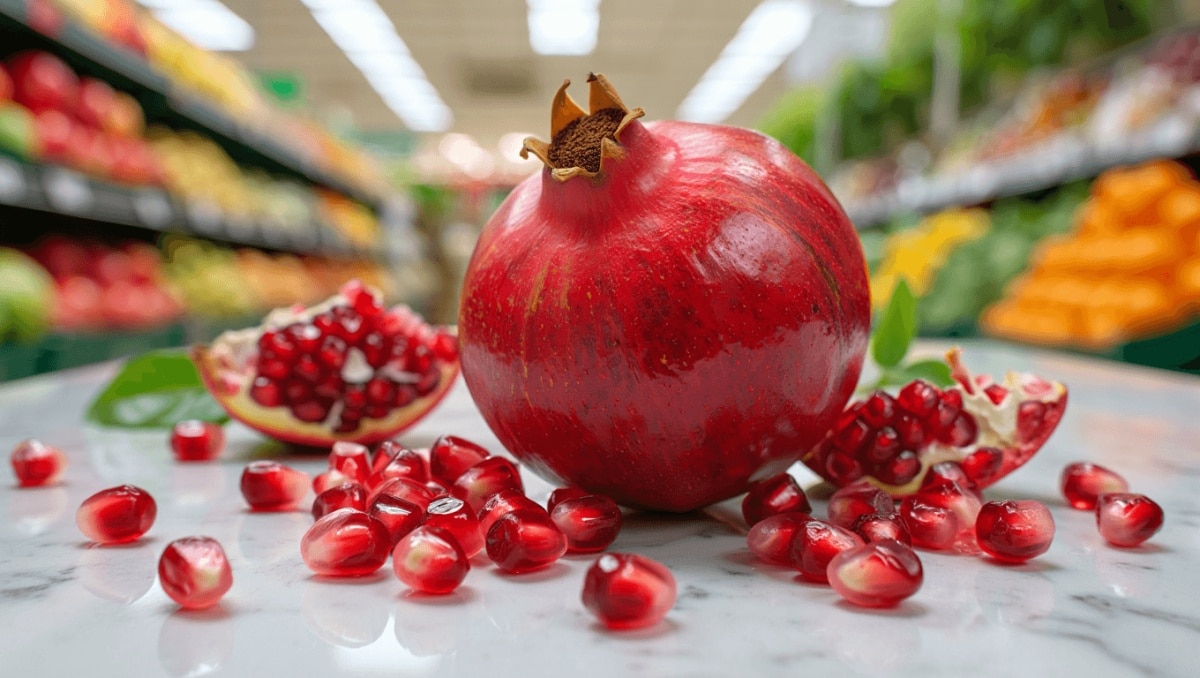
A brightly colored fruit in the produce aisle may be more than a pretty snack. Scientists are now pointing to a compound in pomegranates that could interfere with how the flu virus infects cells, adding fresh interest to a fruit long prized for health benefits.
Lab findings: how a pomegranate compound may halt influenza
Researchers in Iran examined punicalagin, a polyphenol abundant in pomegranate seeds and peel. In laboratory tests on cultured cells, the compound appeared to disrupt a key step the influenza virus uses to invade human cells.
Eggs every day for months: simple check reveals shocking blood test result
Popular childhood food ingredient may raise adult anxiety: study
Specifically, punicalagin interfered with hemagglutination — the process that helps the virus bind and clump red blood cells. That blockage reduced viral entry and replication in vitro.
These experiments suggest an antiviral effect in the lab, but they do not prove the same result in living humans. Scientists caution that more controlled animal and human studies are needed to confirm safety, dosage, and real-world effectiveness.
What the lab results mean — and what they don’t
- Punicalagin showed promise at stopping viral processes in cell cultures.
- In vitro success does not guarantee the same benefit in people.
- Researchers are calling for clinical trials to test dosing, delivery, and side effects.
Pomegranate’s wider antimicrobial reputation: centuries to modern studies
Pomegranates have a long history in traditional medicine across cultures. Ancient civilizations used the fruit and its bark for infections and digestive ailments. Modern science has since investigated many of those claims.
Laboratory studies have reported activity against a range of pathogens. Results include reductions in some strains of herpes virus and lab evidence suggesting juice extracts may affect HIV-1 particles. Food-safety research from Southeast Asia has also highlighted potential activity versus E. coli, salmonella, vibrio and listeria.
According to a scientific review, nearly every part of the pomegranate plant — juice, peel, arils, flowers, and bark — has been tested for antimicrobial compounds. Among those compounds, punicalagin often ranks highest in measured activity.
Nutrition and everyday immune support
Pomegranates are valued not only for phytochemicals but also for vitamins, fiber and antioxidants. Dietitians recommend the fruit as a tasty addition to a balanced diet.
Pomegranate provides antioxidants, vitamins and fiber, which support general health and digestion. It’s an appealing way to add nutrients and color to meals.
- Add seeds to yogurt, oatmeal or salads for crunch.
- Blend arils into smoothies or use as a topping for grain bowls.
- Use pomegranate juice sparingly due to natural sugars.
Practical shopping and storage tips
Choose pomegranates that feel heavy for their size and have a firm, unbroken skin. Store whole fruit in the refrigerator to extend freshness.
- To seed easily, cut across the equator, score the rind and loosen arils under water.
- Freeze seeds on a tray for long-term use in smoothies and baking.
- Consider using peel extracts in recipes only when you follow safe, tested methods.
Safety, limitations and how pomegranate fits with flu prevention
While lab work on punicalagin and other pomegranate compounds is encouraging, experts stress that the evidence is preliminary. Most antiviral claims rest on cell or animal studies.
Vaccination remains the primary defense against seasonal influenza. Pomegranate and other nutrient-rich foods can complement overall health but should not replace medical prevention or treatment.
Future research will need to answer key questions: which pomegranate parts deliver the most active compounds, what dose is effective in humans, and whether there are interactions with medications.
When to consult a clinician
- If you are immunocompromised, pregnant, or on prescription medications, ask a doctor before taking concentrated extracts.
- Report any unusual reactions after adding new supplements or high amounts of pomegranate juice to your diet.
- Look for human clinical trials to guide therapeutic use of punicalagin-based products.










