
Show summary Hide summary
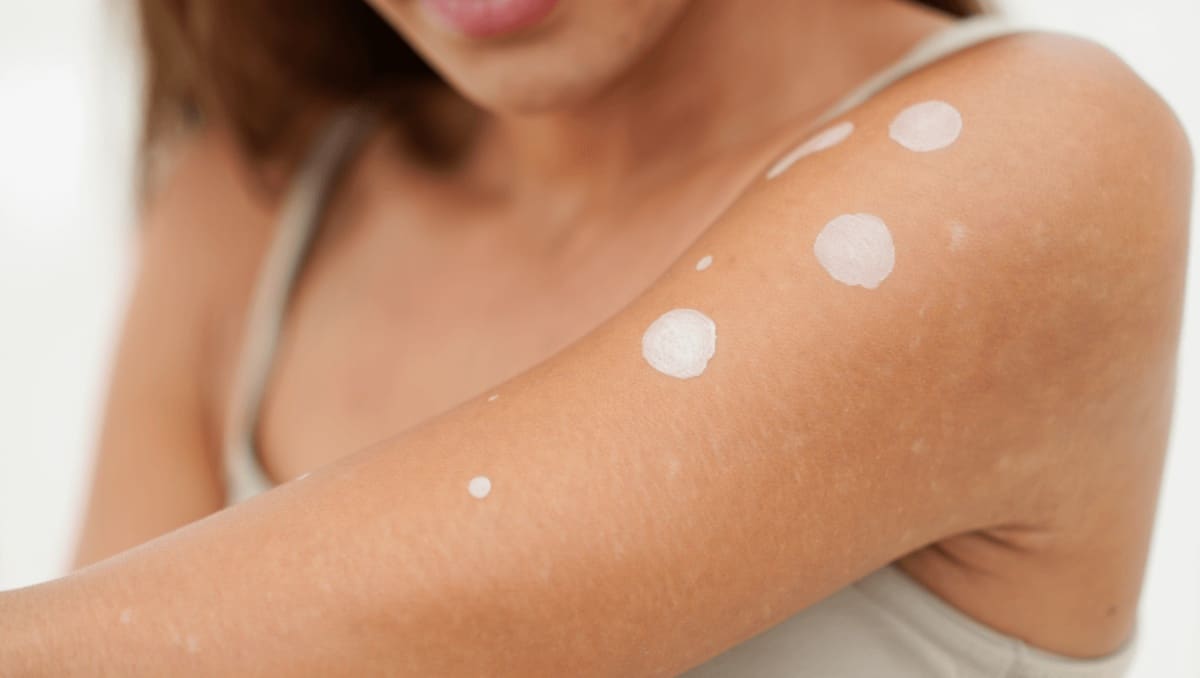
Have you spotted tiny white dots on your arms or legs after summer? They often appear as tans fade and can look worrying at first. But these small pale spots are usually harmless, and understanding them helps ease the surprise.
What these small white spots actually are
Dermatologists identify many of these specks as hypomelanosis guttata idiopathic. The name is technical, but the reality is simple: they are small, flat areas where the skin makes a little less pigment. They measure around 3 to 5 millimeters and can form in clusters.
Eggs every day for months: simple check reveals shocking blood test result
Popular childhood food ingredient may raise adult anxiety: study
These spots are common in adults, especially after age 40. They can appear on any skin tone. They are not painful and rarely cause symptoms.
Medical label explained
The phrase describes reduced melanin production in tiny skin regions. It is not an infection or a sign of serious disease. Think of it as a harmless change linked to skin aging and sun history.
How sun exposure and aging produce these pale areas
Repeated UV exposure slowly alters the cells that make pigment, called melanocytes. Over many years, some melanocytes produce less melanin in specific spots.
- The sun hits the skin repeatedly.
- Certain pigment cells weaken or reduce activity.
- Small, lighter patches become visible as the rest of the skin tans or ages.
In plain terms, these patches are like tiny “memory marks” of past sun exposure. They do not indicate a current infection or systemic illness.
Everyday measures to prevent or reduce new spots
While existing spots may persist, simple skin care lowers the chance of more appearing. Focus on protection and hydration to maintain even tone.
- Use sunscreen daily on exposed areas, even in cloudy weather.
- Choose broad-spectrum protection with at least SPF 30.
- Apply moisturizing creams morning and night to smooth texture.
- Consider body makeup or gradual self-tanners to even out tone for special occasions.
Treatments and when to consult a dermatologist
- Some dermatologists offer topical treatments like retinoids or lightening agents.
- Procedures such as laser therapy or microneedling may be suggested in select cases.
- Always seek professional advice before starting treatments. A specialist can tailor options to your skin type.
How to distinguish benign white spots from other conditions
Several skin issues can cause pale areas. The key differences help decide if you need a clinical visit.
- Hypomelanosis guttata idiopathic: small, round, stable, painless.
- Vitiligo: larger, sharply bordered patches that may spread and worsen.
- Tinea versicolor: often slightly flaky and can itch, caused by yeast.
- Post-inflammatory hypopigmentation: follows injury, rash, or eczema in the same spot.
If spots change quickly, become scaly, bleed, or cause symptoms like itching, see a doctor. A brief skin exam or simple tests can clarify the diagnosis.
Simple daily habits that protect your skin long term
Prevention focuses on consistent, gentle care. These habits limit UV damage and support a more uniform complexion over time.
- Wear sunscreen on arms and legs whenever they’re exposed.
- Reapply after swimming or heavy sweating.
- Cover up with clothing or seek shade during peak sun hours.
- Keep skin well moisturized to reduce visible contrast between spots and healthy skin.
Accepting natural skin changes and taking measured steps to protect skin offers both cosmetic and health benefits. Small, steady habits matter most.










