
Show summary Hide summary
- How TV Transforms CPR into Instant Drama
- The Reality: What Cardiopulmonary Resuscitation Actually Does
- Common Myths Fueled by TV Portrayals
- What Truly Improves Survival Rates
- Practical Steps for Bystanders: A Simple Action Plan
- Training, Confidence, and Overcoming Barriers
- How Media Could Improve Public Health Outcomes
- Resources for Learning and Finding AEDs
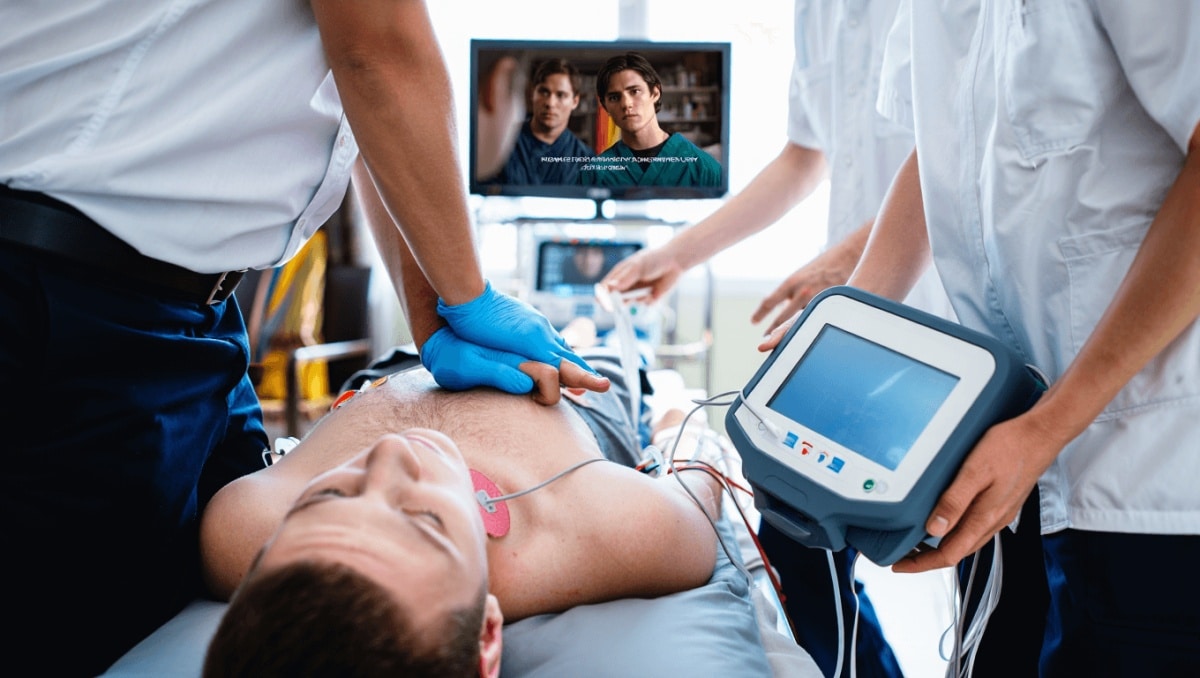
Television often turns cardiac arrest into a tidy, dramatic rescue. A few compressions, a jolt from a defibrillator, and the patient gasps back to life. That image is compelling, but it is misleading. Misrepresentations of CPR shape public expectations and can affect survival in real emergencies.
How TV Transforms CPR into Instant Drama
TV shows compress time and simplify procedures. Scripts favor clear, visual actions over slow, technical work. This creates a pattern viewers internalize:
- Quick success after a single shock.
- Perfect technique from untrained bystanders.
- Doctors diagnosing causes in seconds.
- Minimal bleeding or messy complications.
Eggs every day for months: simple check reveals shocking blood test result
Popular childhood food ingredient may raise adult anxiety: study
These choices make scenes more watchable. They also create myths about how CPR works and when it helps.
The Reality: What Cardiopulmonary Resuscitation Actually Does
CPR is a lifesaving bridge. It keeps oxygen moving to the brain and heart until advanced care arrives. High-quality compressions and early defibrillation offer the best chance of survival.
- Chest compressions must be deep and fast: about 2 inches and 100–120 compressions per minute.
- Interruptions reduce blood flow and lower survival.
- Automated external defibrillators (AEDs) boost outcomes for shockable rhythms.
Success depends on timing, technique, and underlying cause. Many cardiac arrests still end in death despite correct care.
Common Myths Fueled by TV Portrayals
TV fosters several persistent myths. Each one influences what bystanders expect and do in an emergency.
- Myth: CPR always restarts the heart. Reality: CPR maintains circulation; it rarely restarts a heart by itself.
- Myth: A single shock fixes everything. Reality: Multiple shocks or medication may be needed, and not all rhythms are shockable.
- Myth: Mouth-to-mouth is always required. Reality: Hands-only CPR is effective for adult sudden cardiac arrest.
- Myth: Only healthcare professionals can perform effective CPR. Reality: Trained lay rescuers save many lives, and untrained bystanders can still help.
What Truly Improves Survival Rates
Public health research identifies clear drivers of survival. These are proven and actionable.
- Immediate recognition and a quick emergency call.
- Early, uninterrupted chest compressions by bystanders.
- Rapid access to an AED and prompt defibrillation when indicated.
- High-quality advanced life support from emergency teams.
Communities with strong CPR training programs and wide AED availability show higher survival after out-of-hospital arrests.
Practical Steps for Bystanders: A Simple Action Plan
If you witness a collapse, follow this straightforward sequence. It is designed for speed and clarity.
- Check responsiveness and normal breathing.
- Call emergency services. Ask someone else to call if possible.
- Start chest compressions: push hard and fast in the center of the chest.
- Continue until help arrives or an AED is available.
- If an AED is present, turn it on and follow voice prompts.
Hands-only CPR—compressions without rescue breaths—works well for most adult sudden cardiac arrests. It reduces hesitation and simplifies action.
Training, Confidence, and Overcoming Barriers
Fear, uncertainty, and legal concerns stop people from helping. Clear training and public messaging can change that.
- Short, practical courses build muscle memory and confidence.
- Legal protections like Good Samaritan laws reduce hesitation.
- Public AED programs and mapping apps shorten response times.
- Regular refreshers keep skills current—CPR competence fades over time.
Communities that invest in training see more bystanders step in when needed.
How Media Could Improve Public Health Outcomes
Accurate portrayals of CPR on TV could save lives. Small changes in scripts and staging can make a big difference.
- Show longer compressions and the difficulty of sustained CPR.
- Depict AED use and bystander teamwork.
- Avoid implying instant recovery after one shock.
- Include brief scenes where characters call emergency services immediately.
When entertainment mirrors real practice, viewers learn realistic expectations and skills.
Resources for Learning and Finding AEDs
Knowing where to learn and how to find equipment matters. These resources make it easier to act.
- Local hospitals and Red Cross chapters offer CPR classes.
- Many communities list public AED locations online.
- Smartphone apps can guide users to nearby AEDs and provide step-by-step CPR help.
- Short video tutorials and in-person refreshers strengthen confidence.
Every minute counts. Early action, even by a single bystander, meaningfully improves the odds of survival and recovery.










